Psychico College Elementary School - The Ellis Island Experience
As part of our PYP transdisciplinary theme, “Where We Are in Place and Time,” our fourth-grade students participated in an immersive Ellis Island processing center simulation that brought history to life. The experience began after we read a story about a grandfather recounting how his family emigrated from Italy to America in 1910. Through his memories, students learned about the challenges, hopes, and uncertainties faced by immigrants arriving in the United States. The story sparked many thoughtful questions and a genuine curiosity about the immigrant experience, inspiring us to explore the topic more deeply.
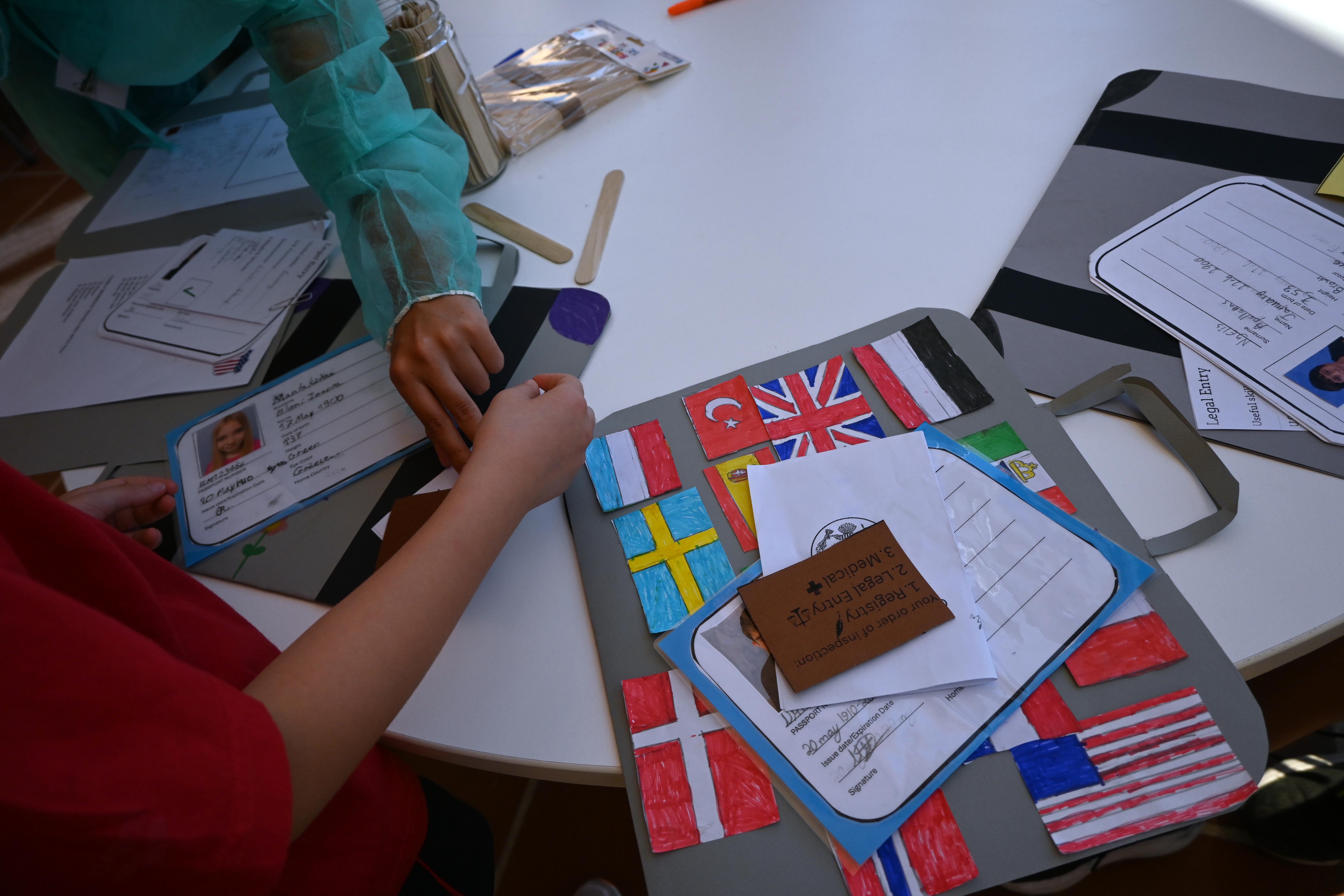
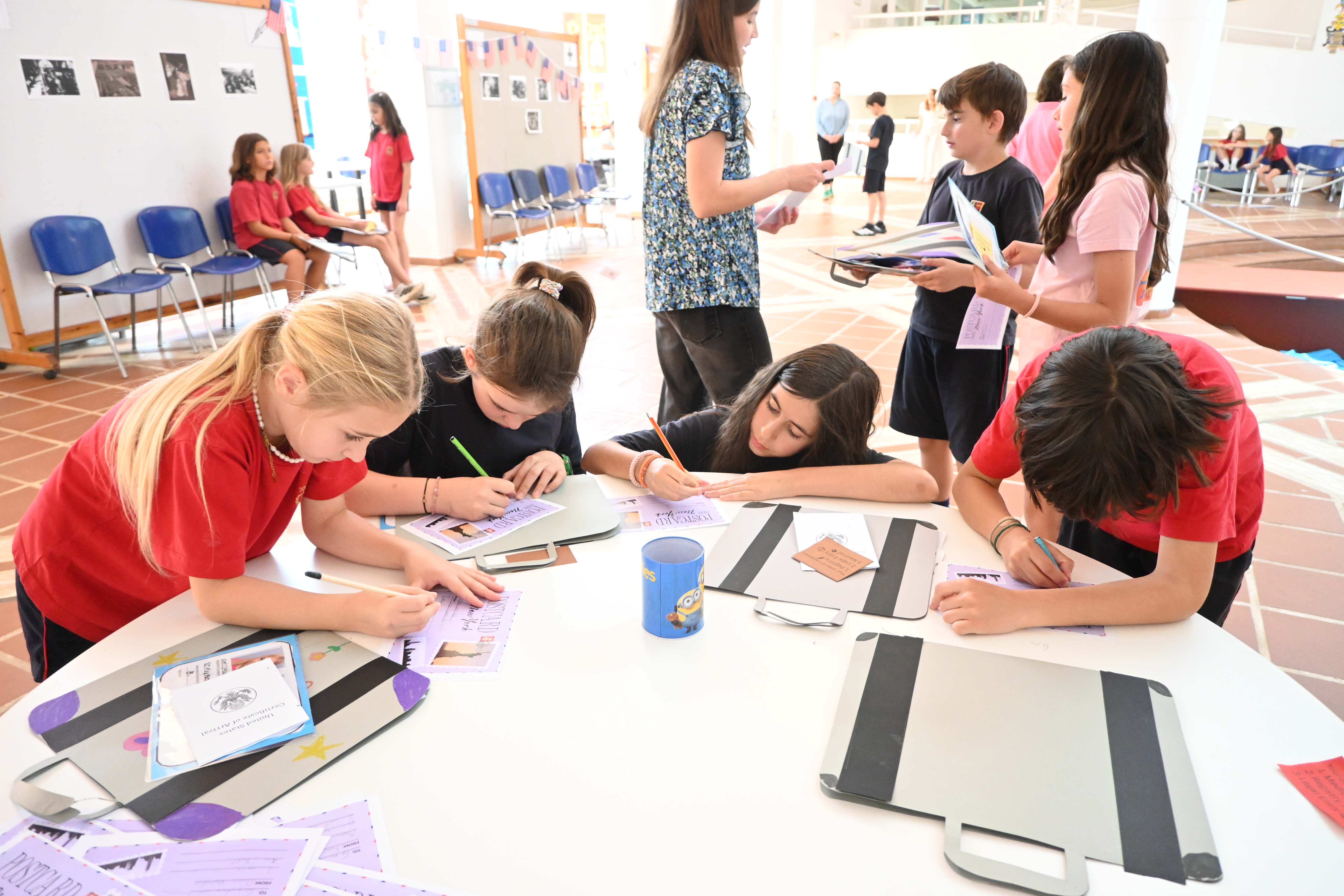
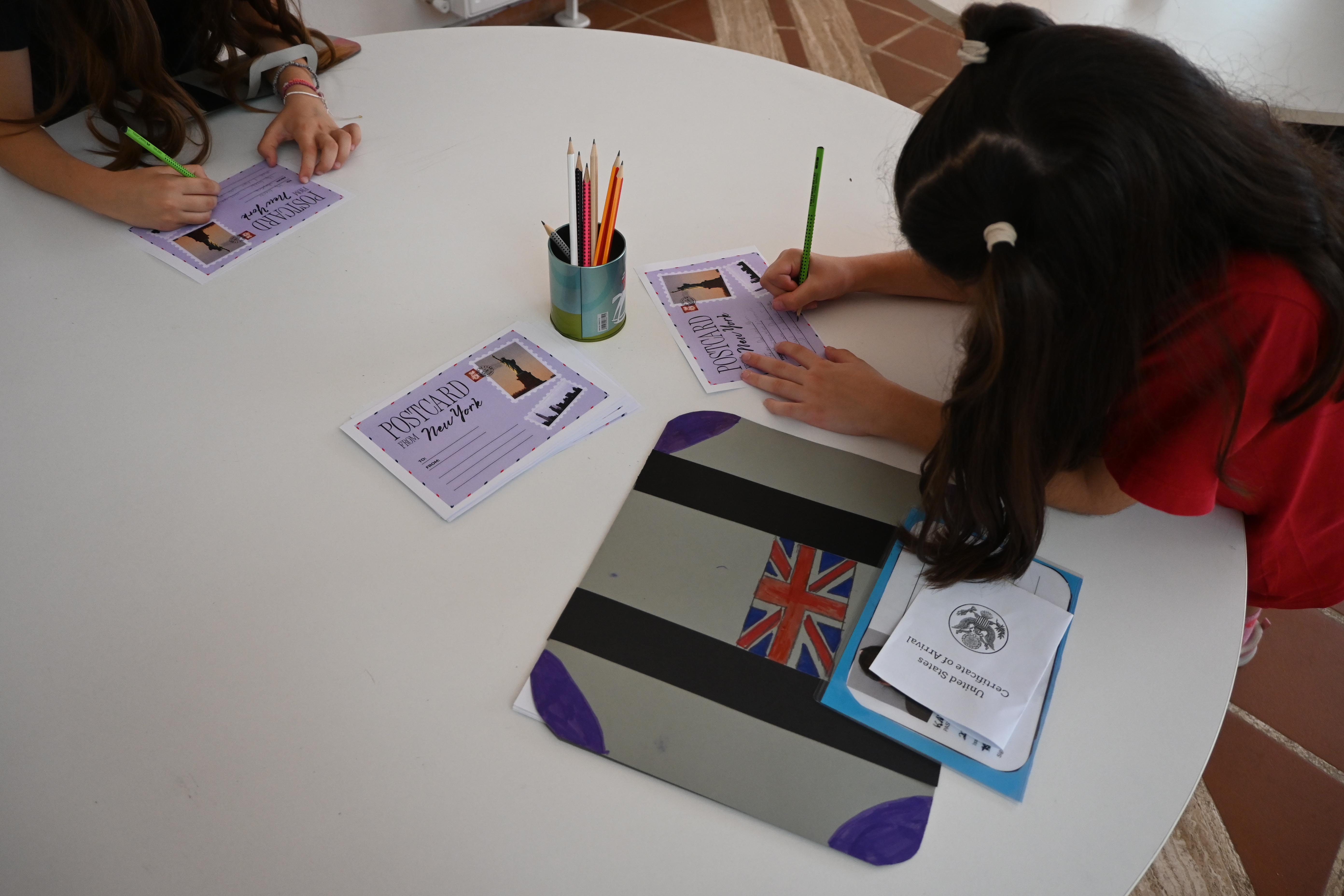
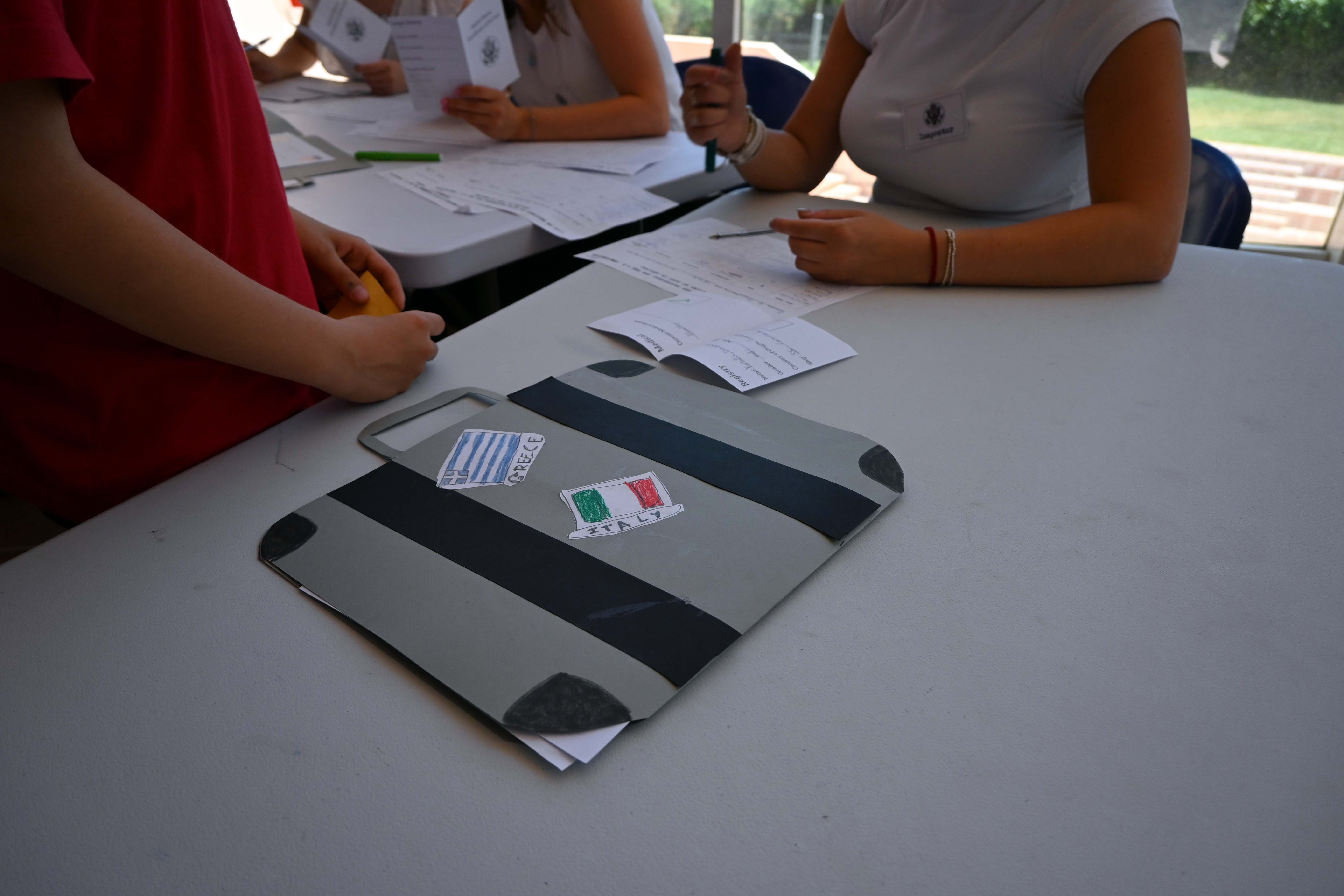
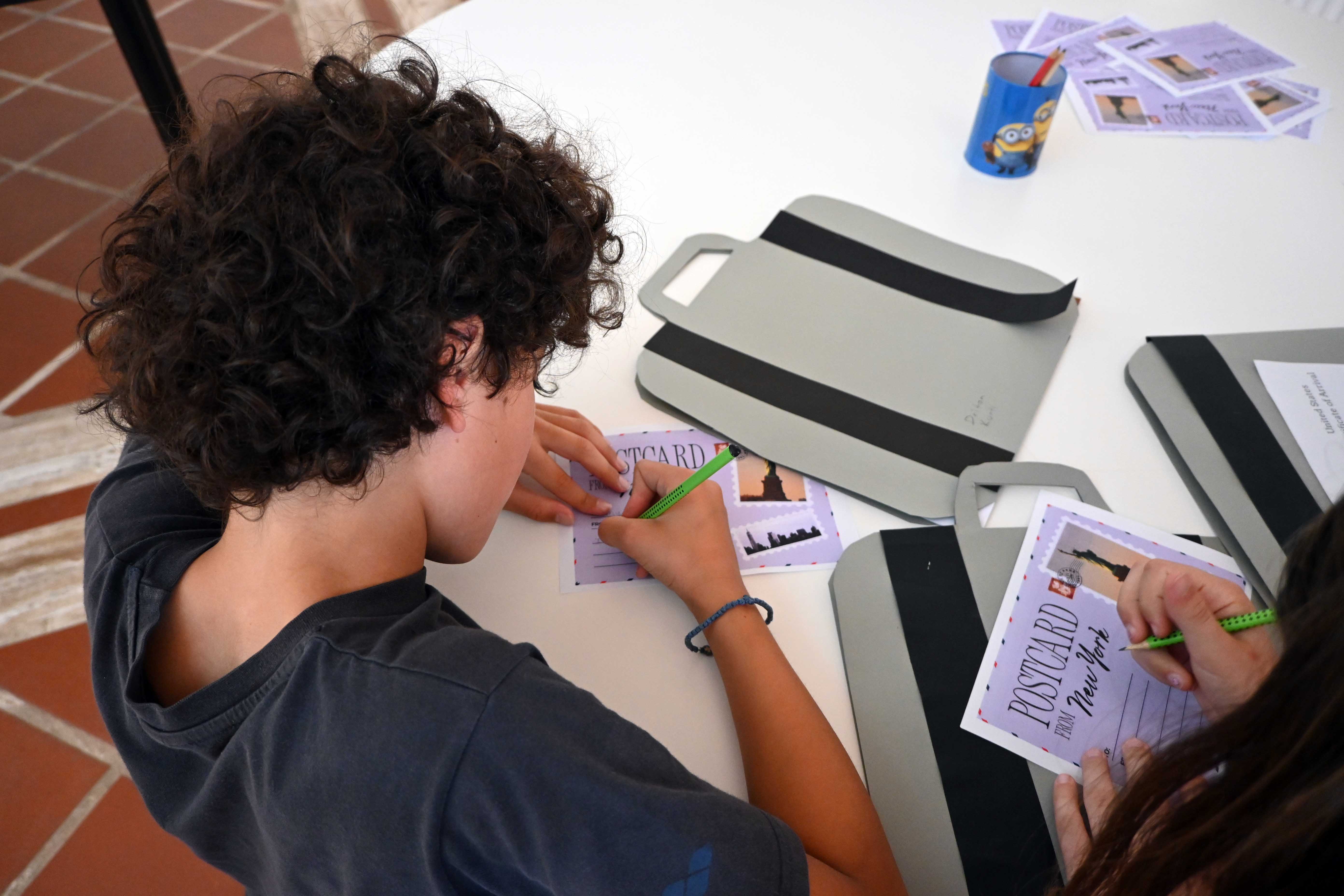
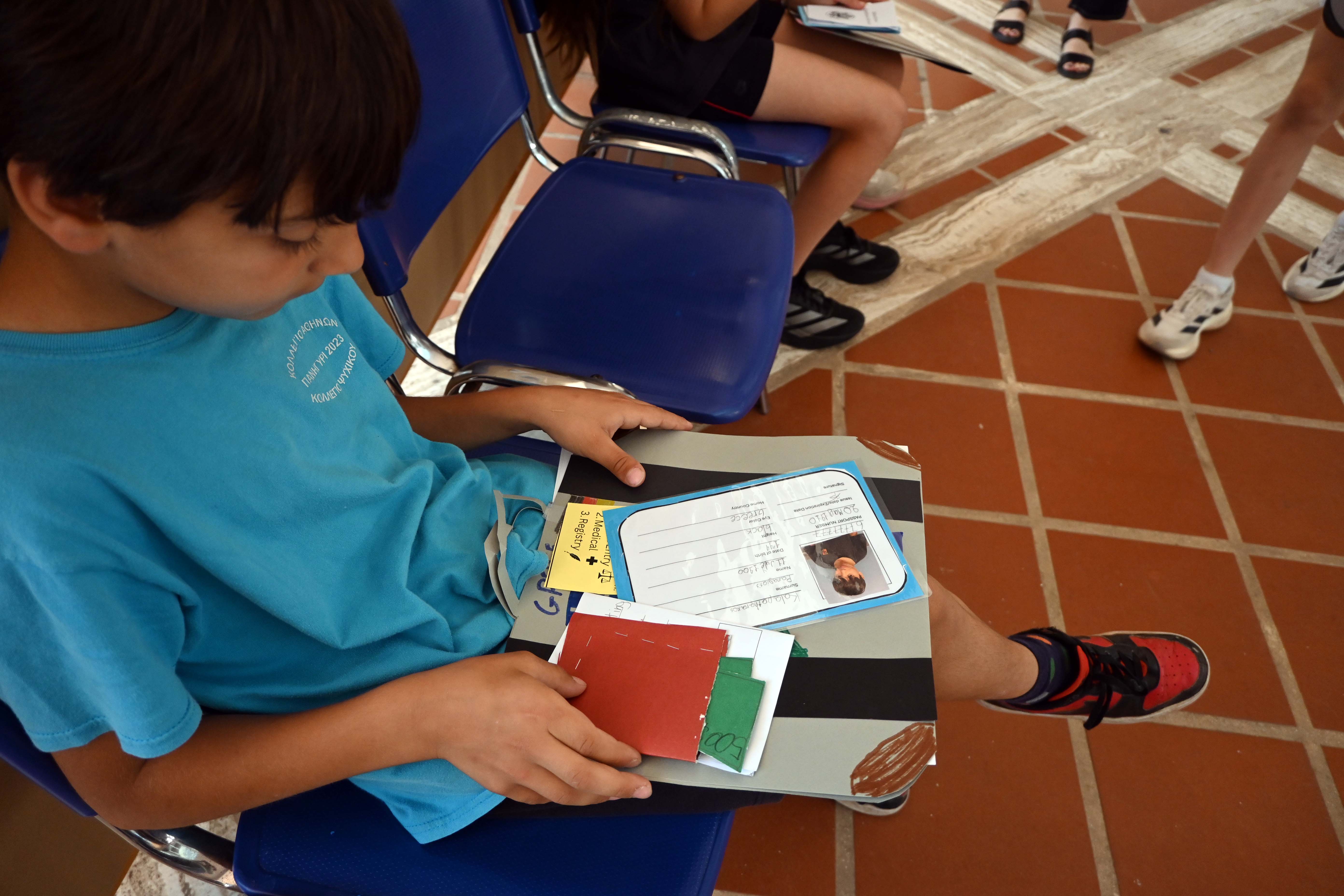
As we prepared for our own “journey” to Ellis Island, students researched historical facts, examined photographs, and listened to authentic interviews from immigrants who had passed through Ellis Island. They learned about the reasons people left their homelands, the long voyage across the Atlantic, and the procedures immigrants encountered upon arrival. To prepare for the simulation, each student created a passport and a suitcase, completed immigration forms, and developed a personal immigrant identity. These activities helped them better understand the reality faced by newcomers arriving in America over a century ago.
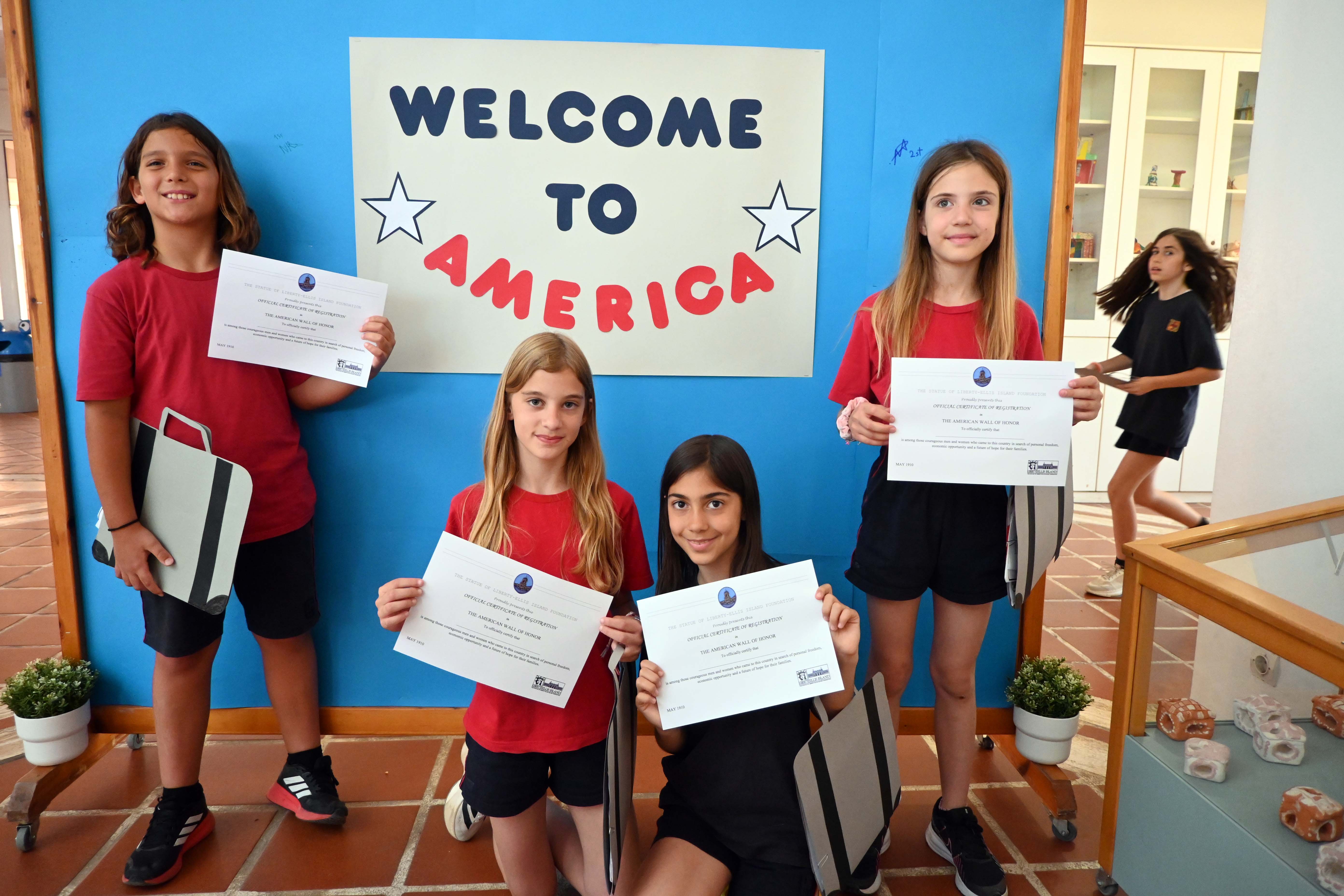
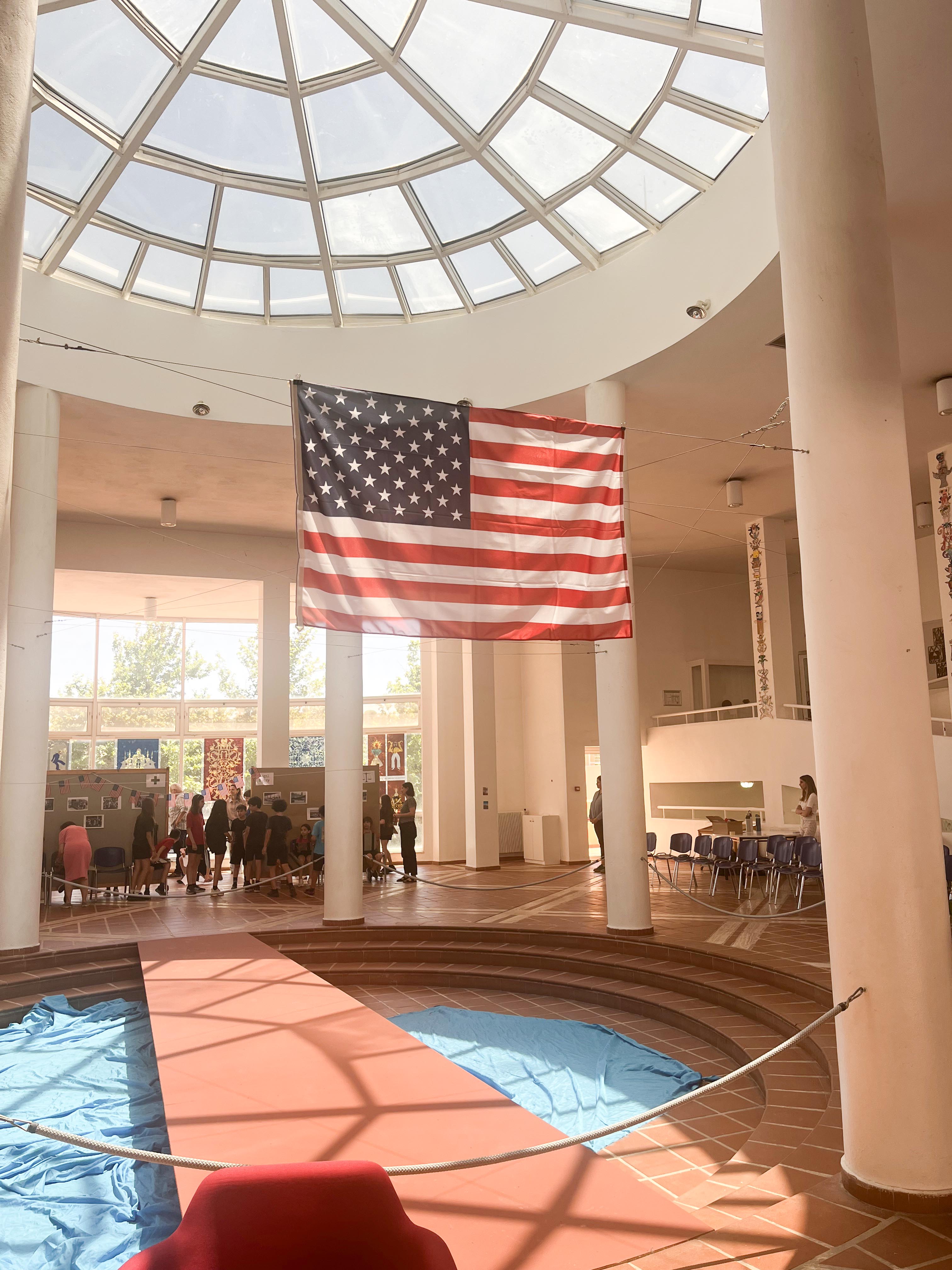
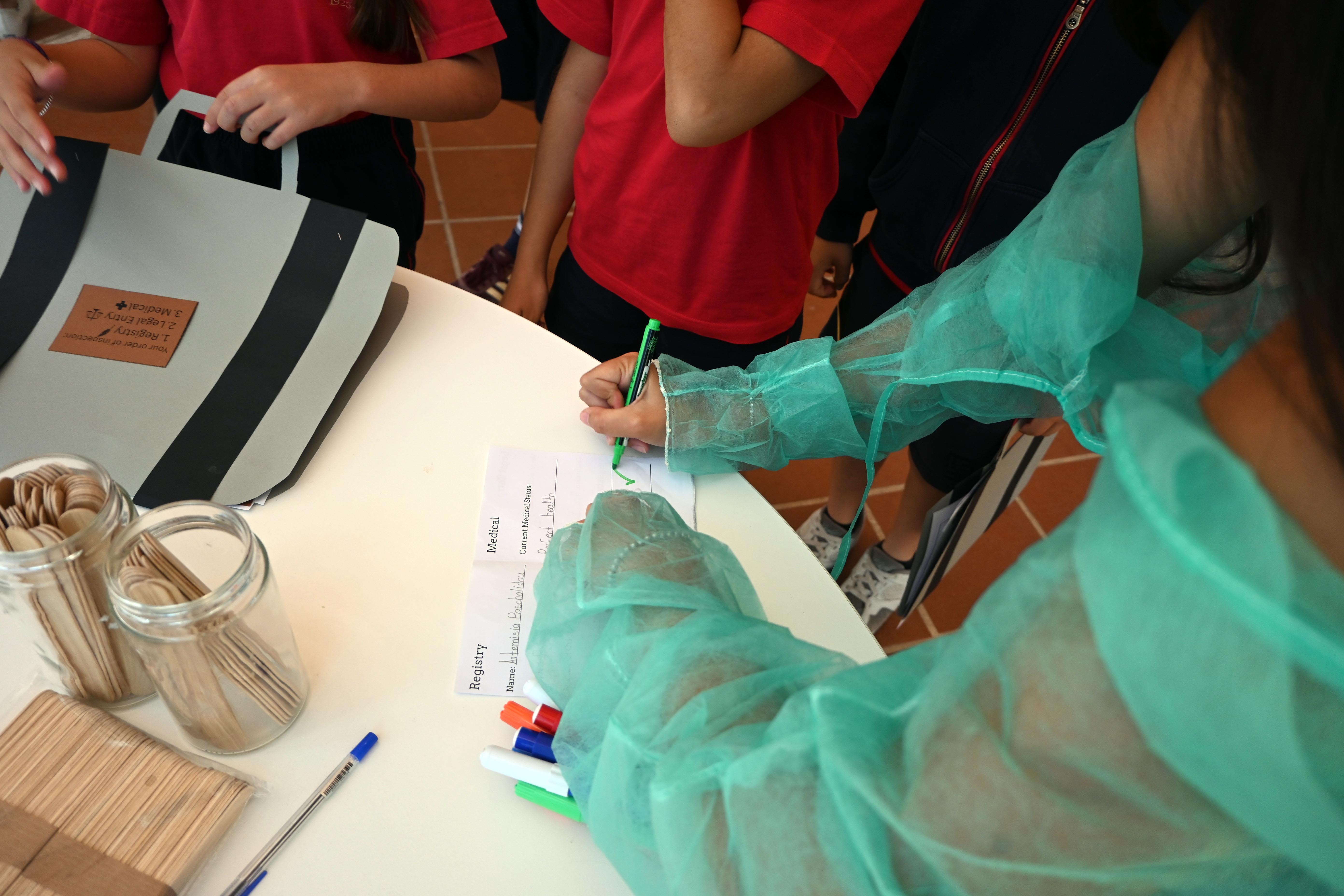
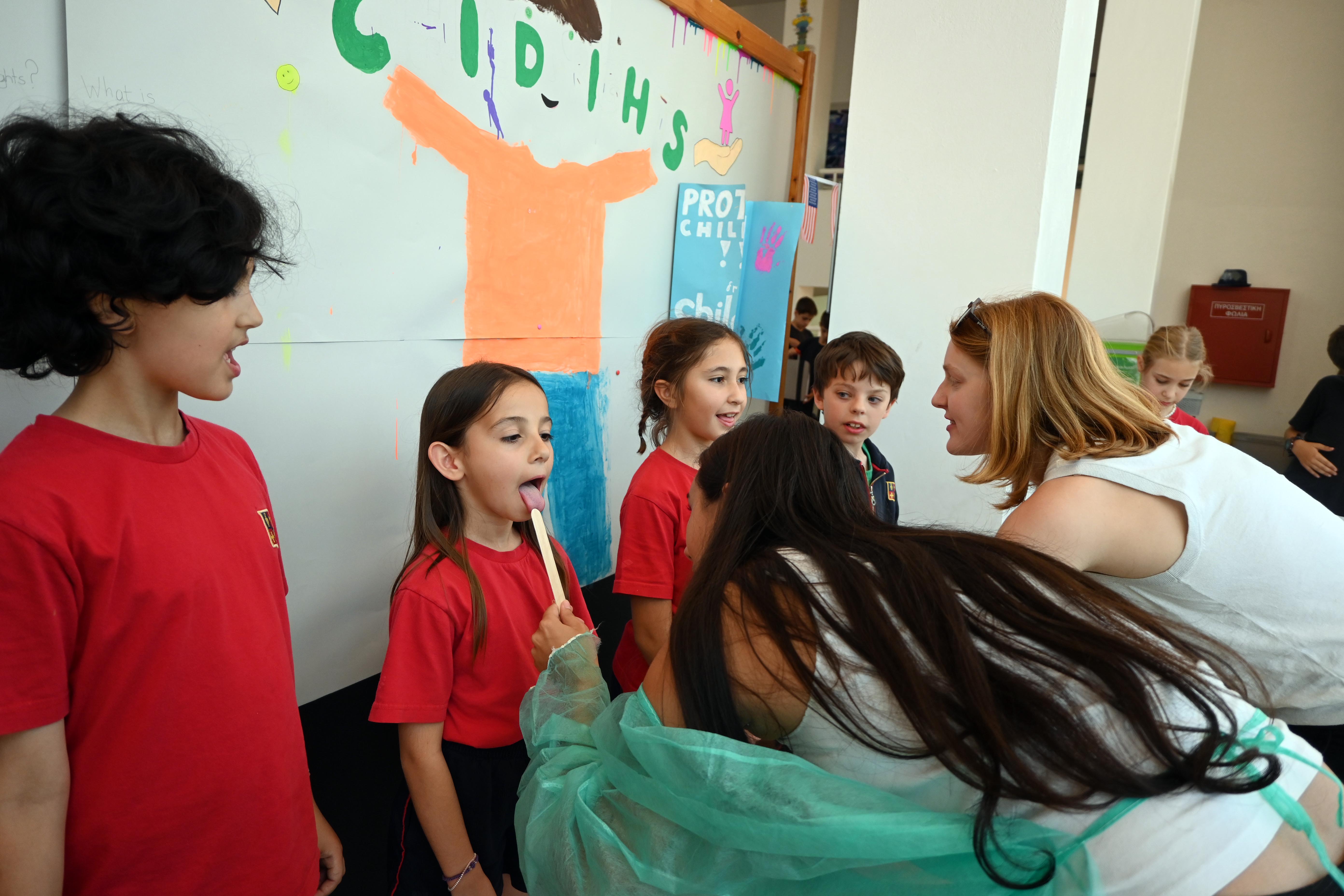
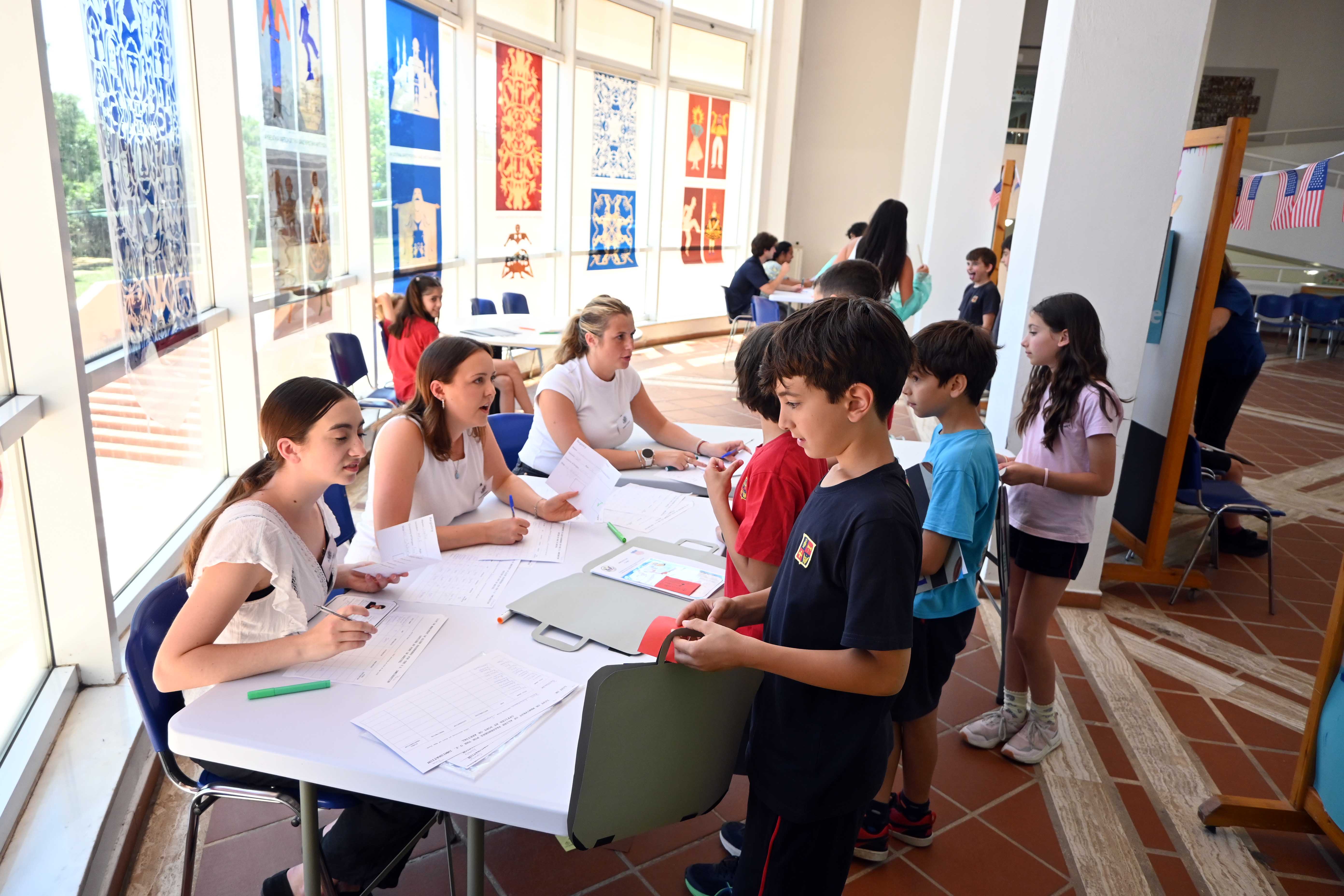
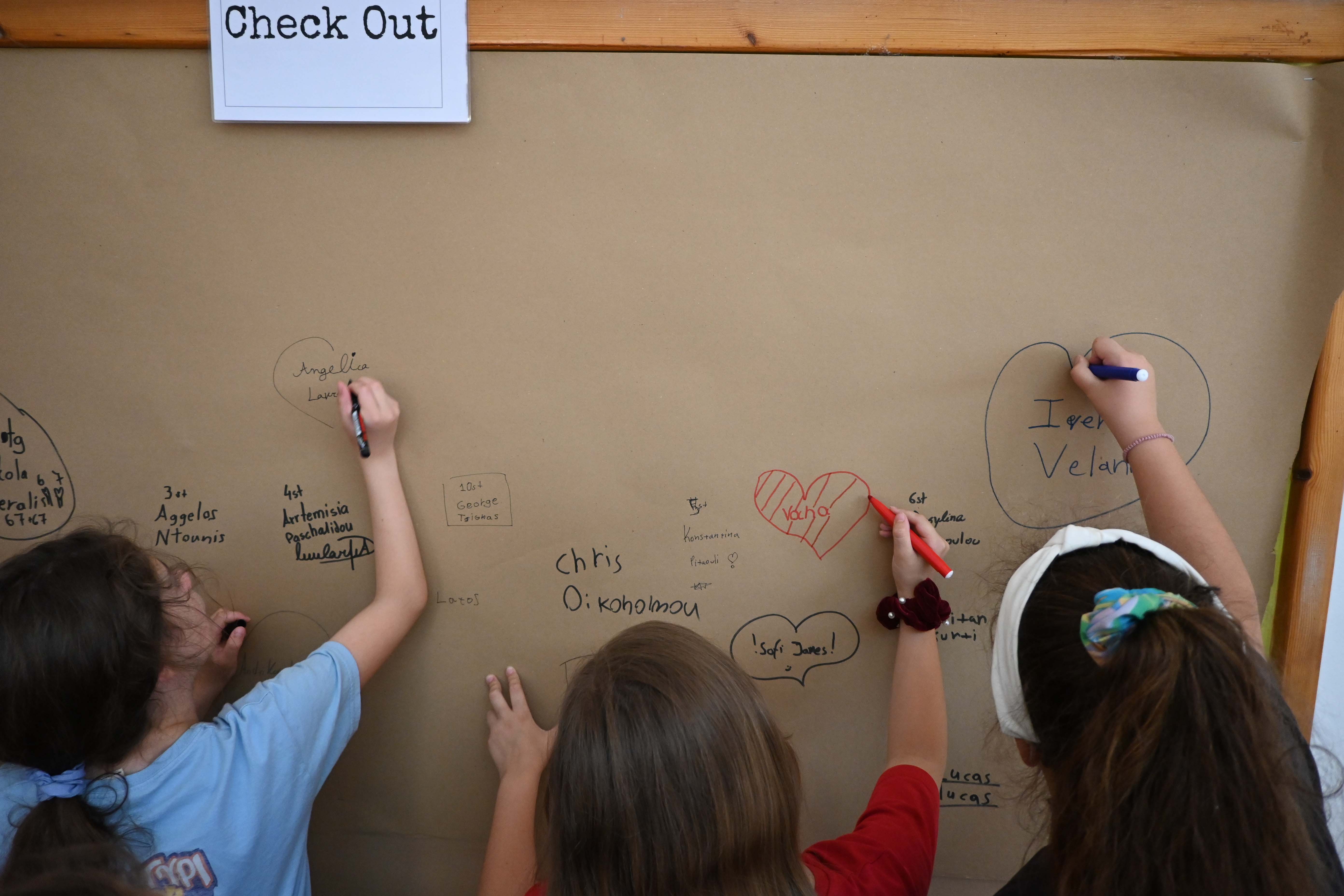
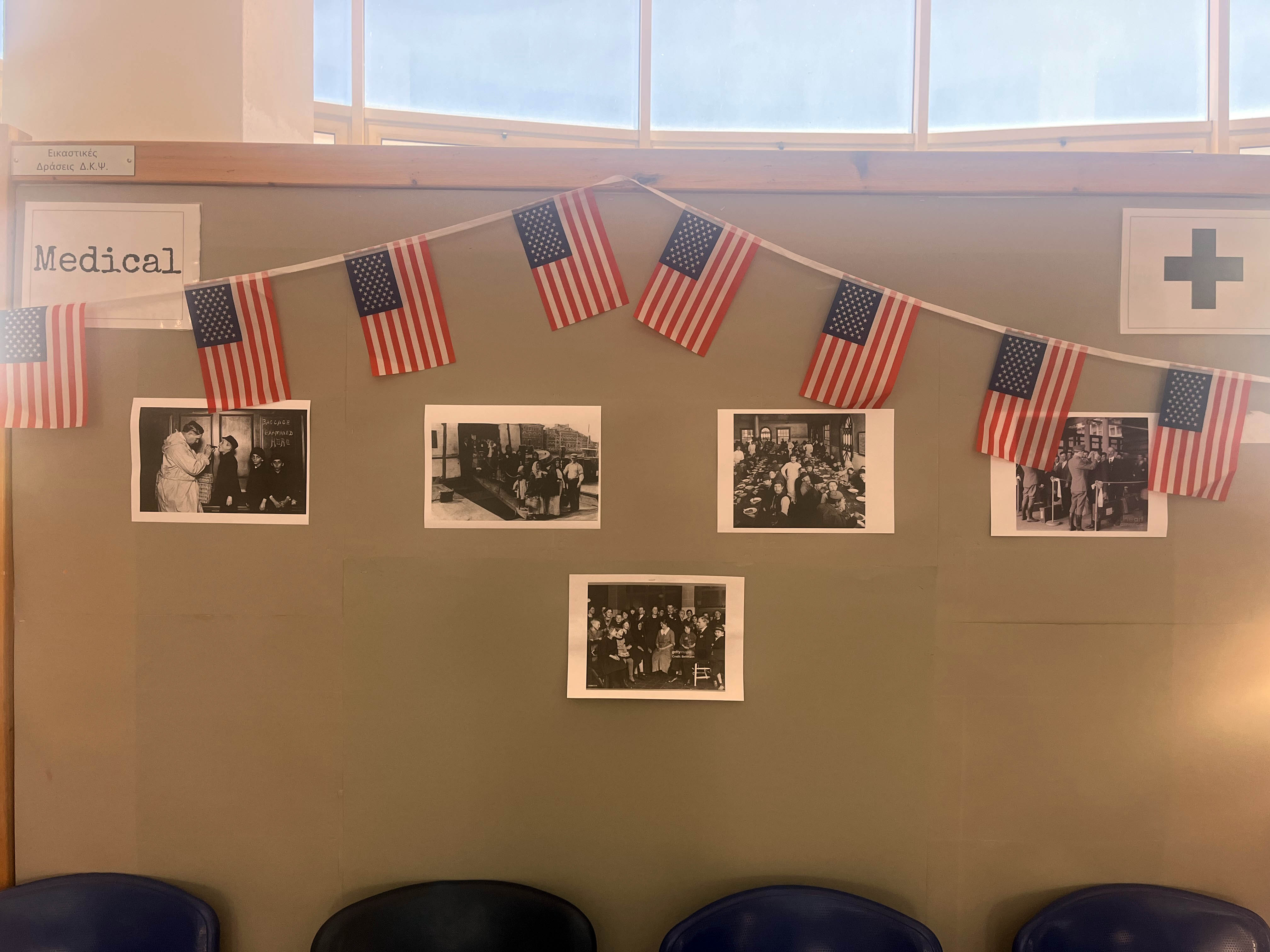
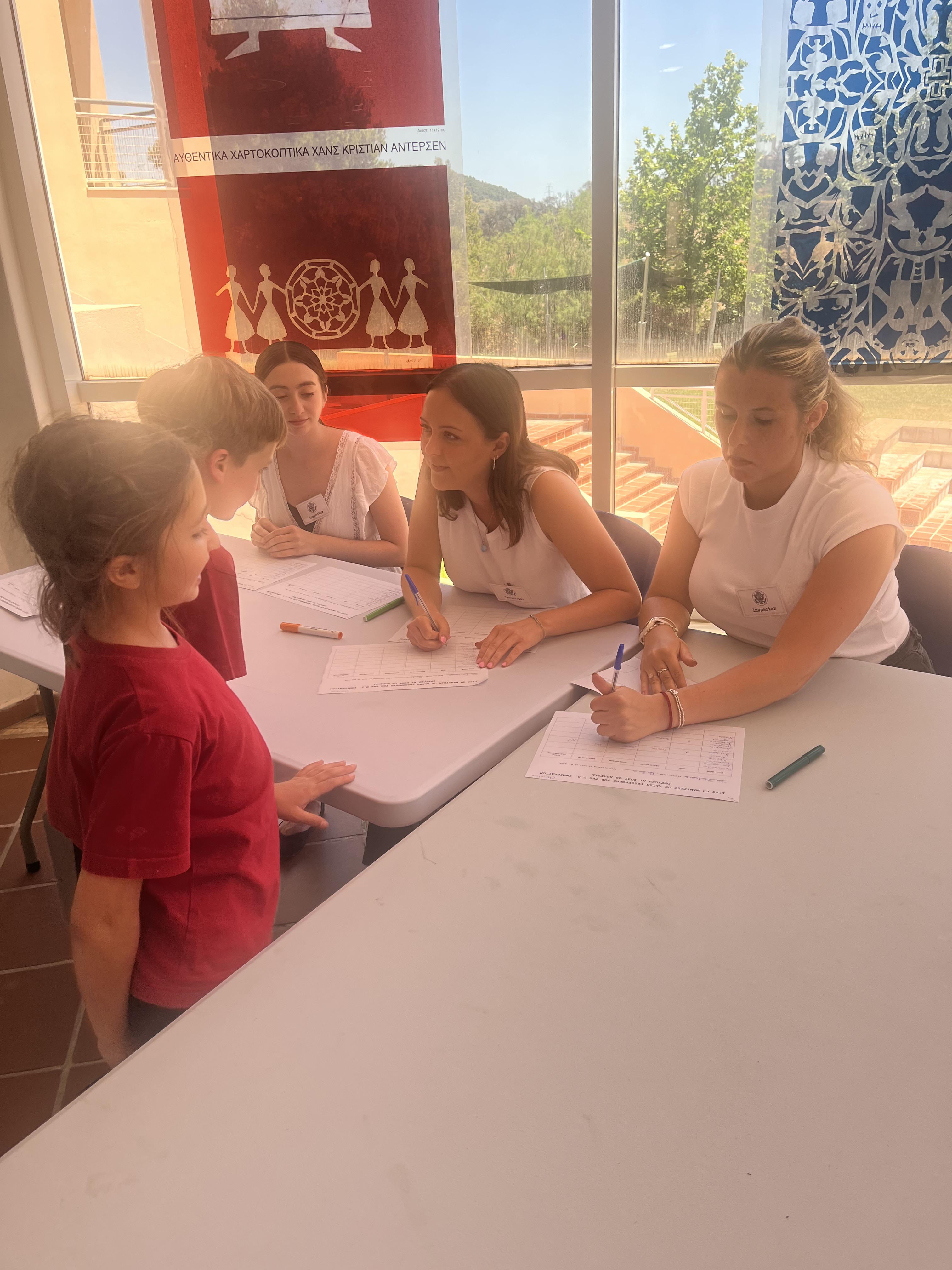
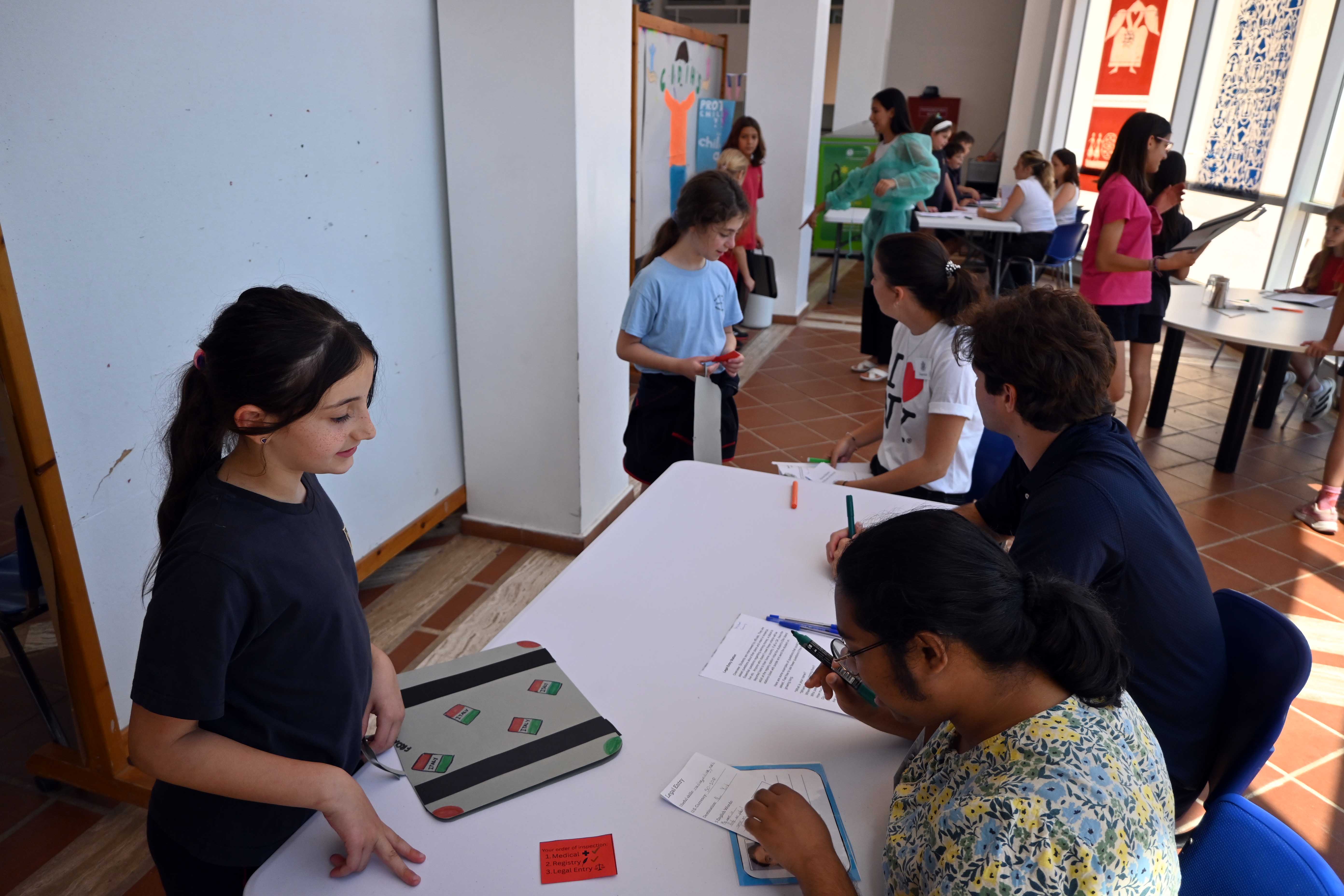
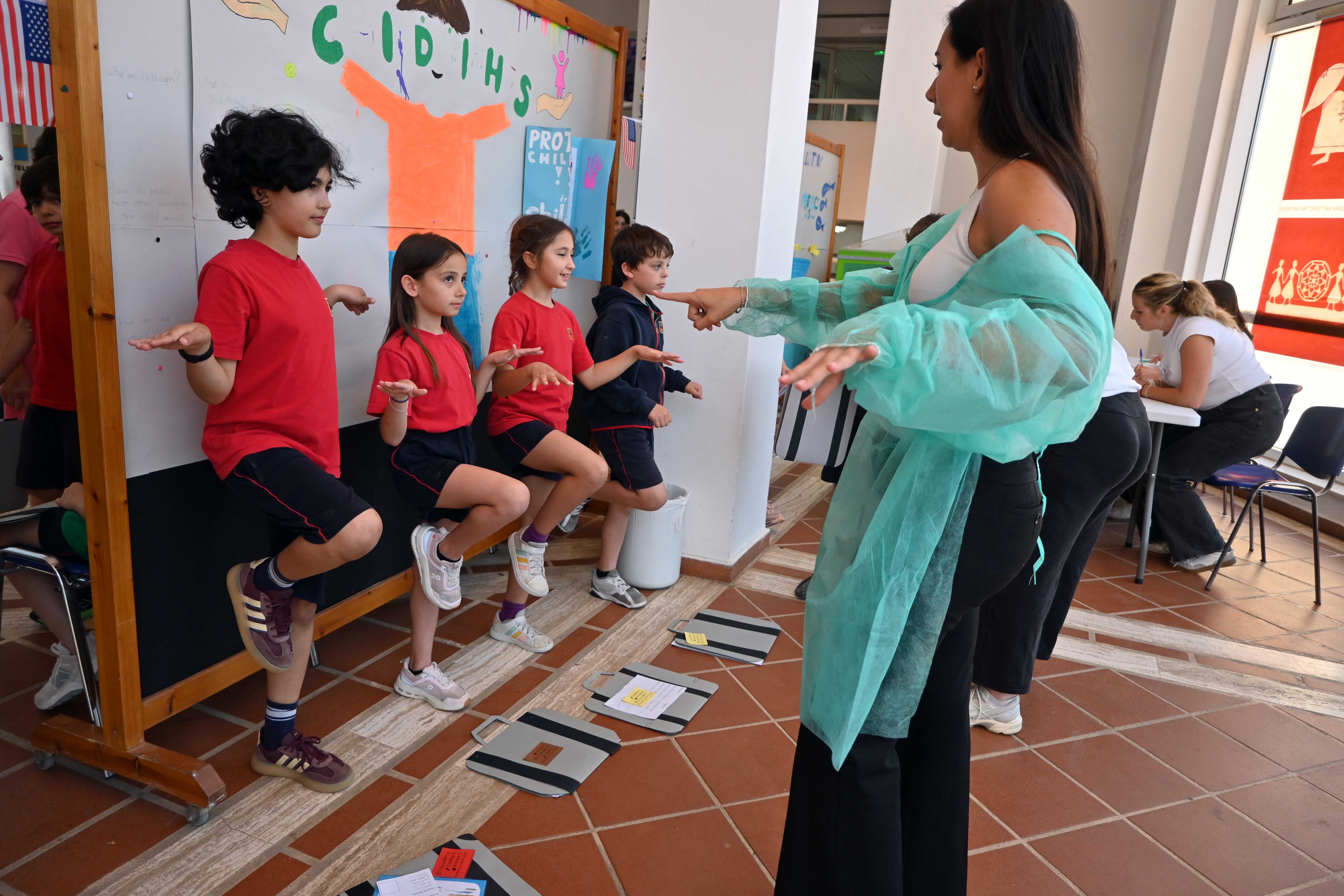
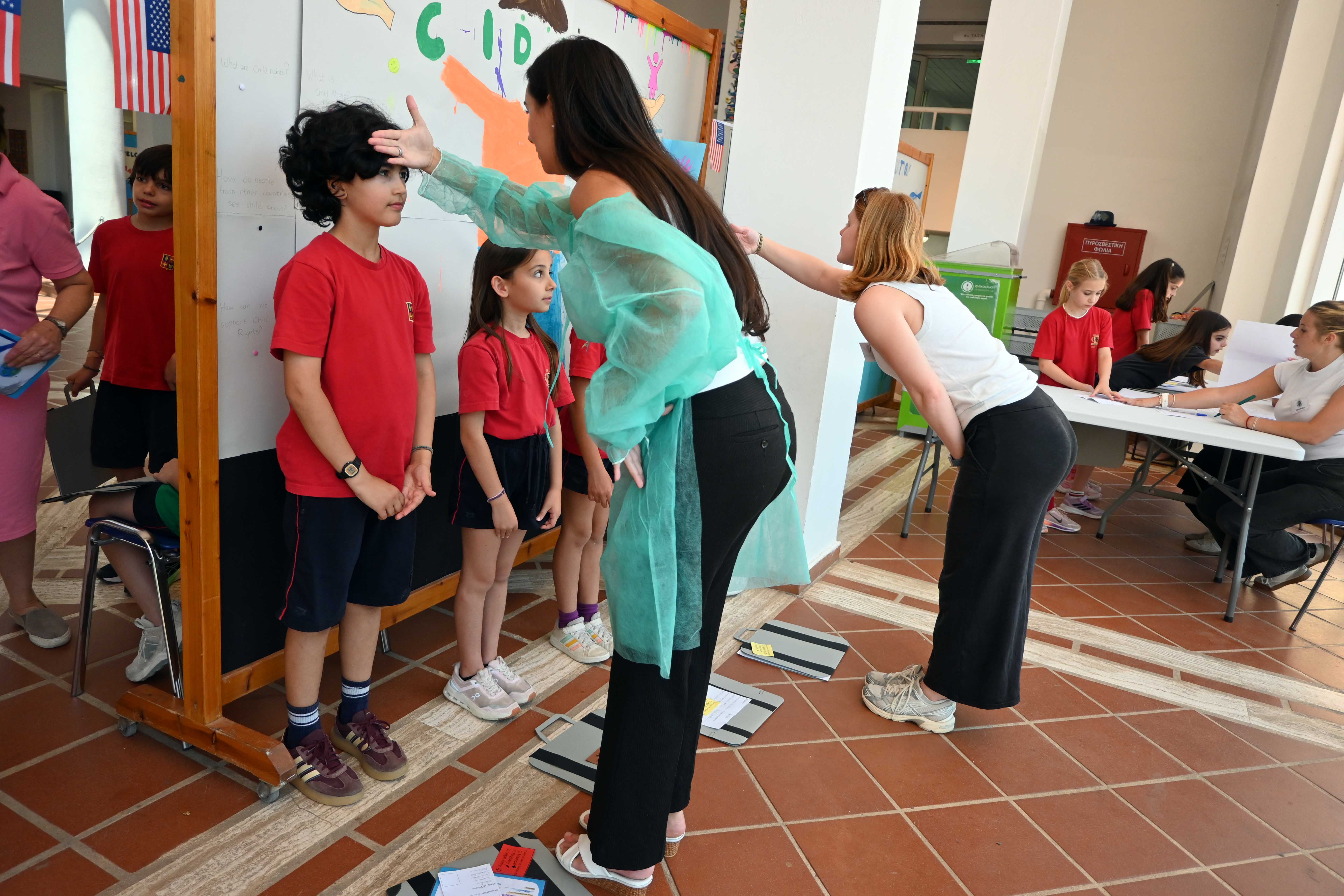
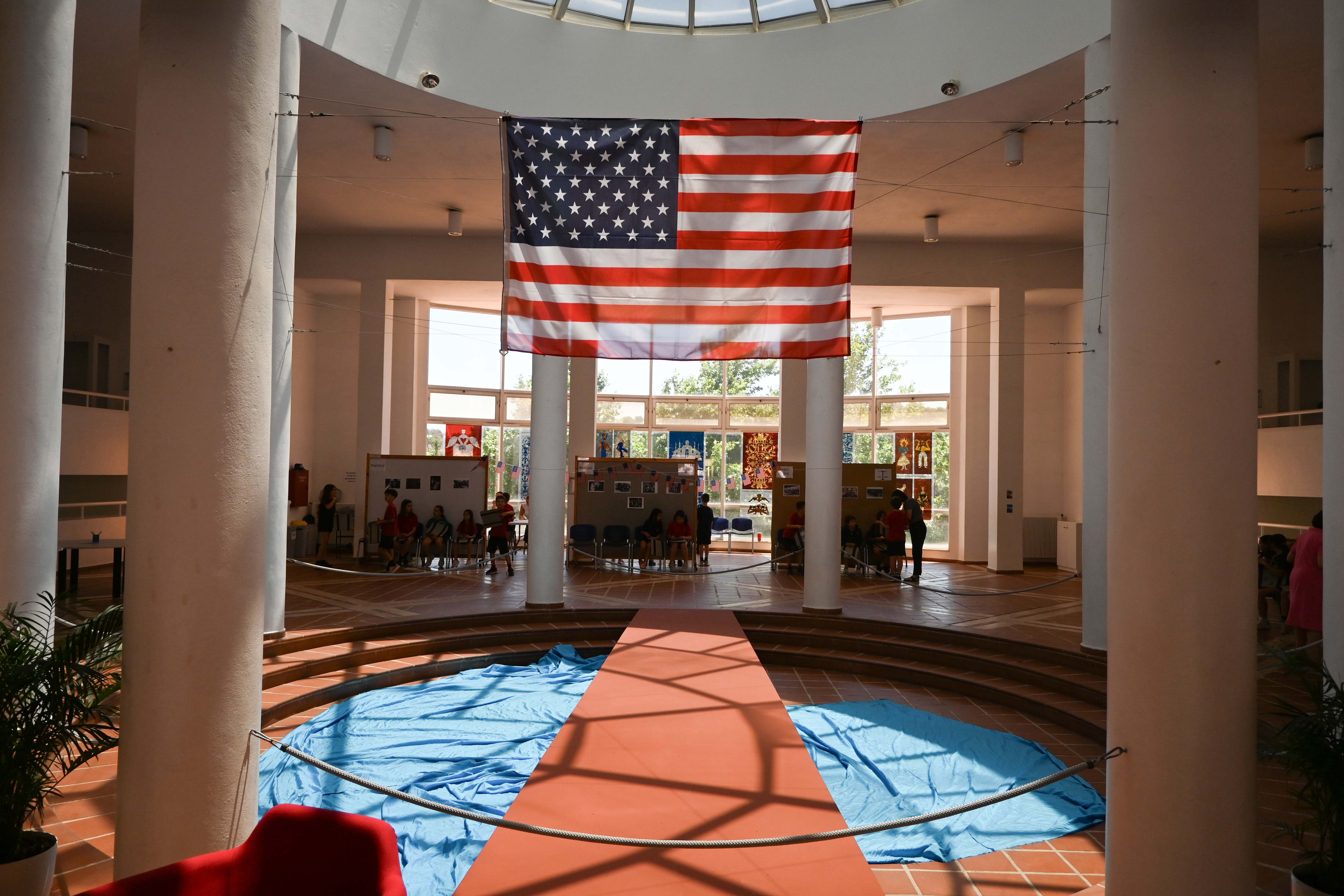
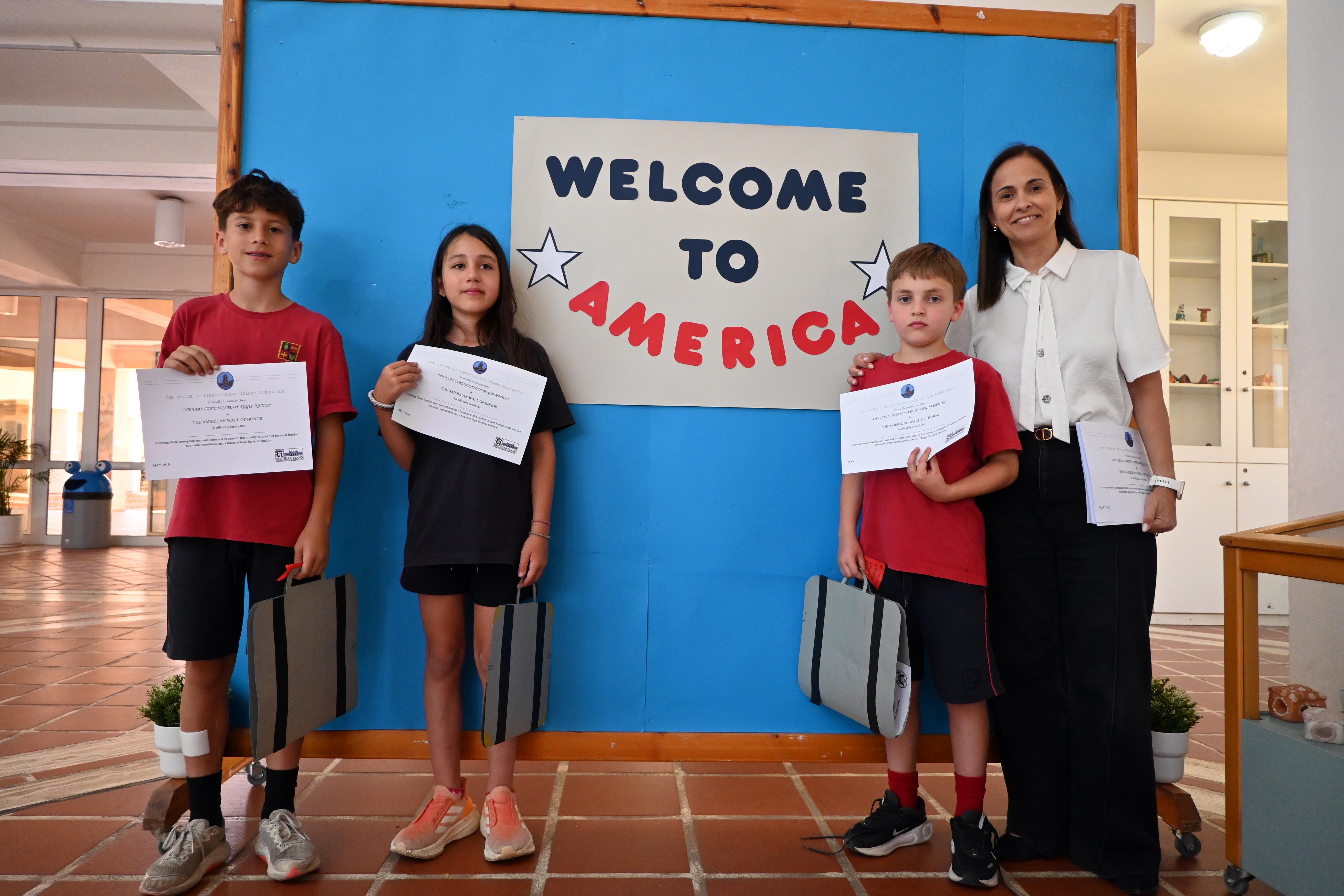
To culminate the unit, we transformed our school’s enclosed atrium into a realistic Ellis Island processing center complete with different inspection and registration stations. Students moved through the various checkpoints, where they were interviewed by immigration officials, underwent medical inspections, and answered questions about their backgrounds and travel plans. At the end of the process, successful applicants received certificates of entry, marking their arrival in their new country.
The simulation provided students with a powerful opportunity to connect emotionally with history. Beyond learning historical facts, they developed empathy for the experiences of immigrants and gained a deeper understanding of migration, identity, and belonging. The project encouraged critical thinking, communication, and reflection while helping students appreciate how individual stories contribute to larger historical narratives.
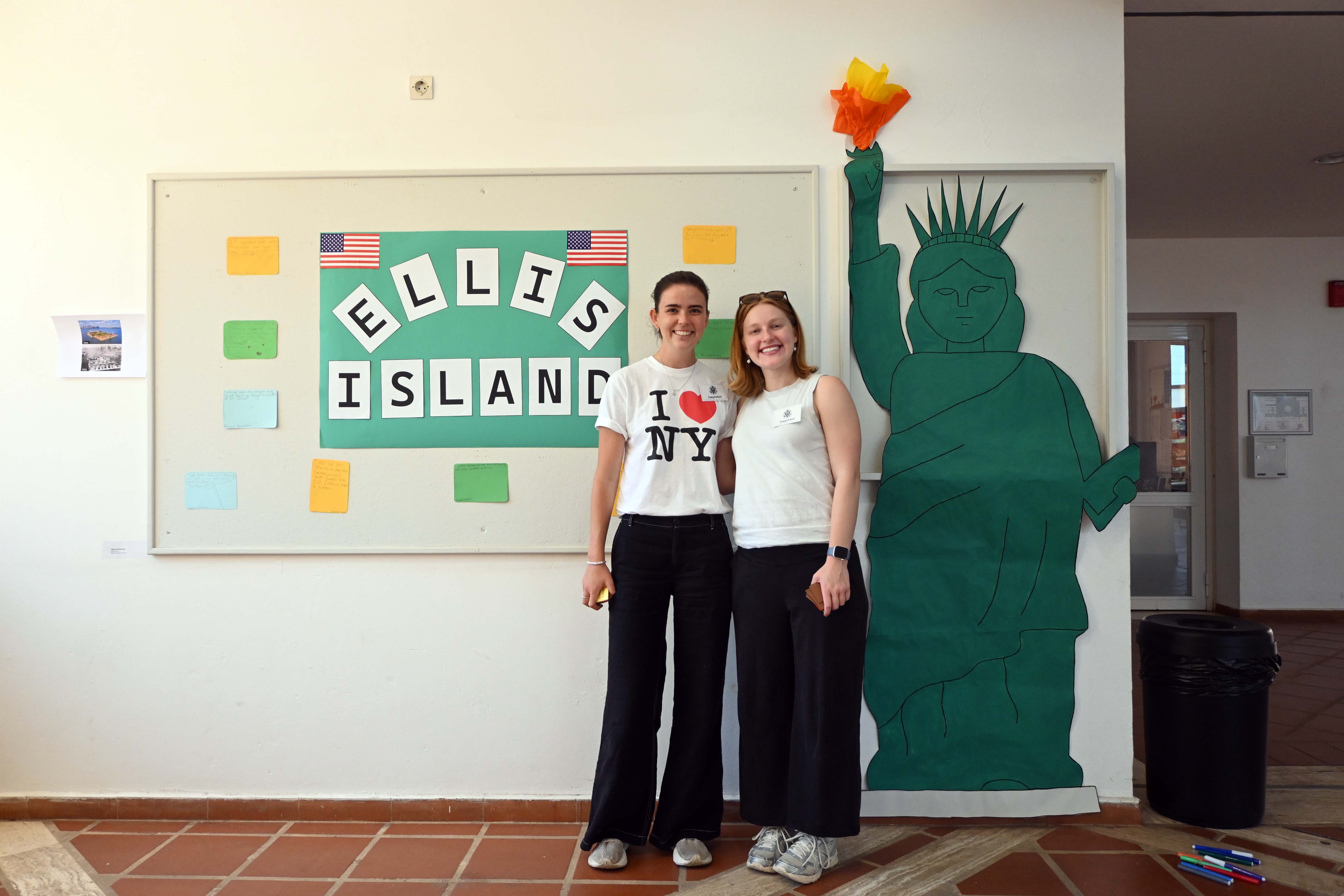
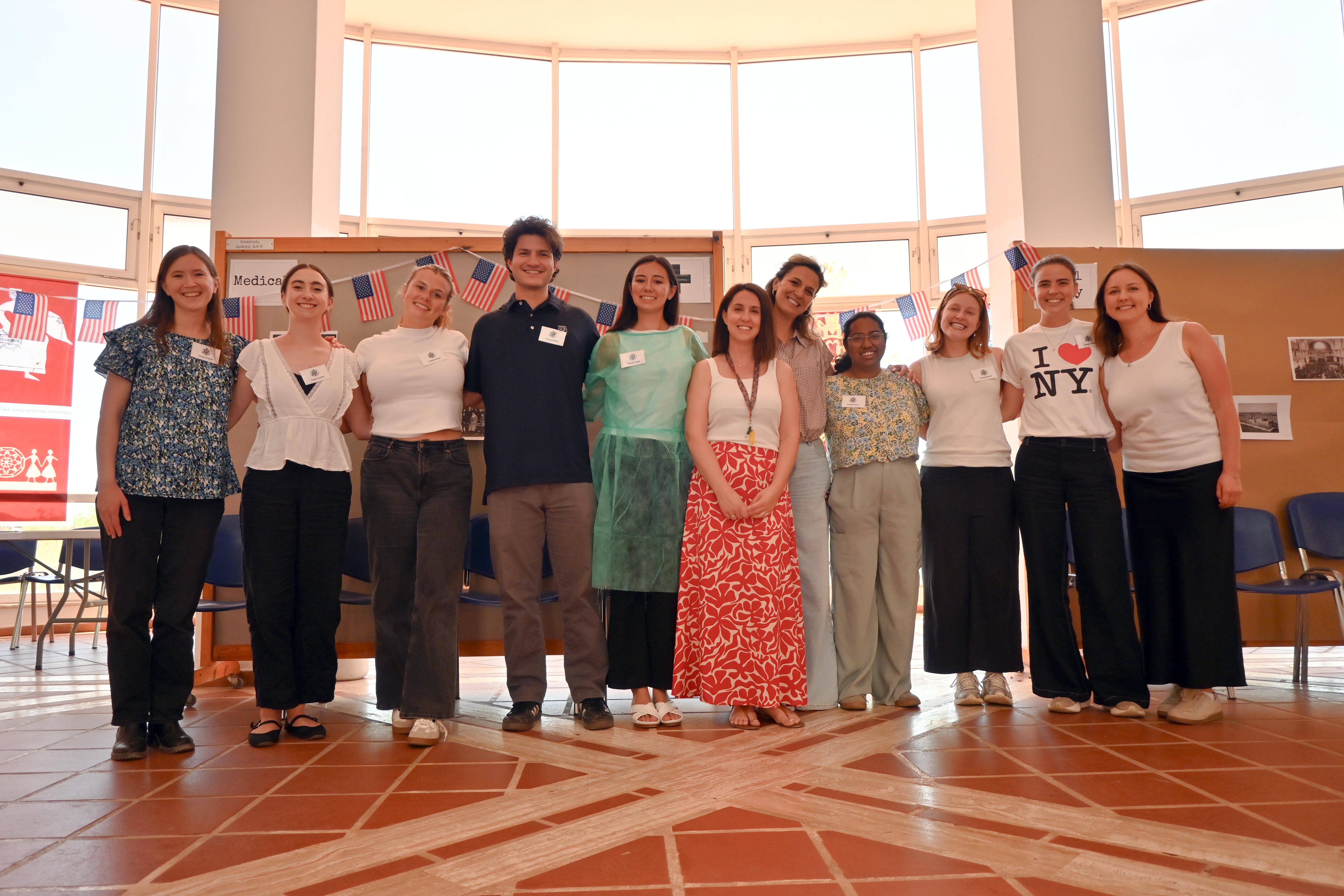
We were especially fortunate to have the support of our Fulbright Fellows, who volunteered to serve as Ellis Island inspectors throughout the simulation. Their participation added authenticity and excitement to the experience, and their connection to the United States brought an additional cultural dimension to the project. Their enthusiasm and commitment played an important role in making the simulation memorable and meaningful for all of our students.