2nd Conference "The Society of Knowledge" in collaboration with the Council of Professors Emeriti of the University of Athens
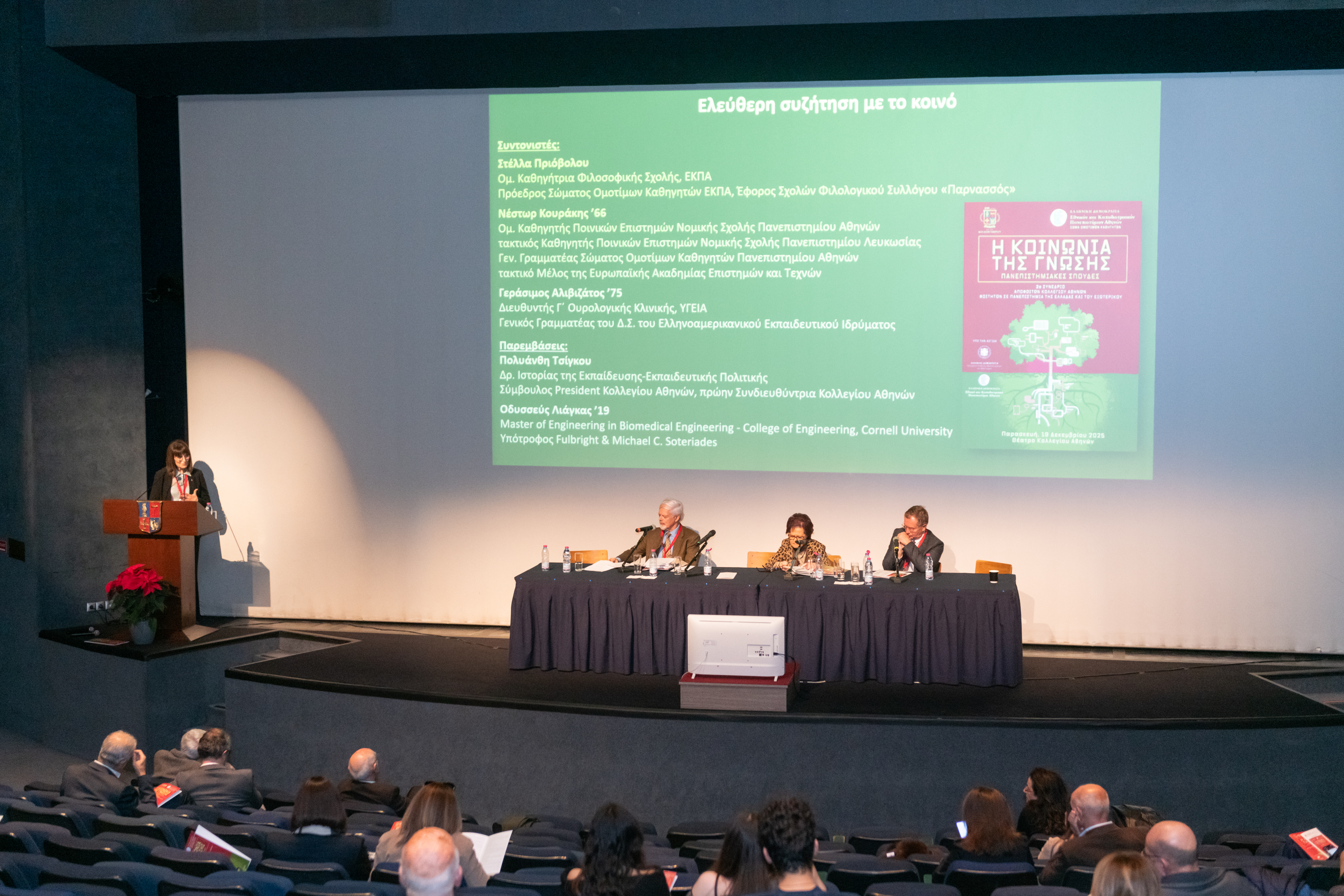
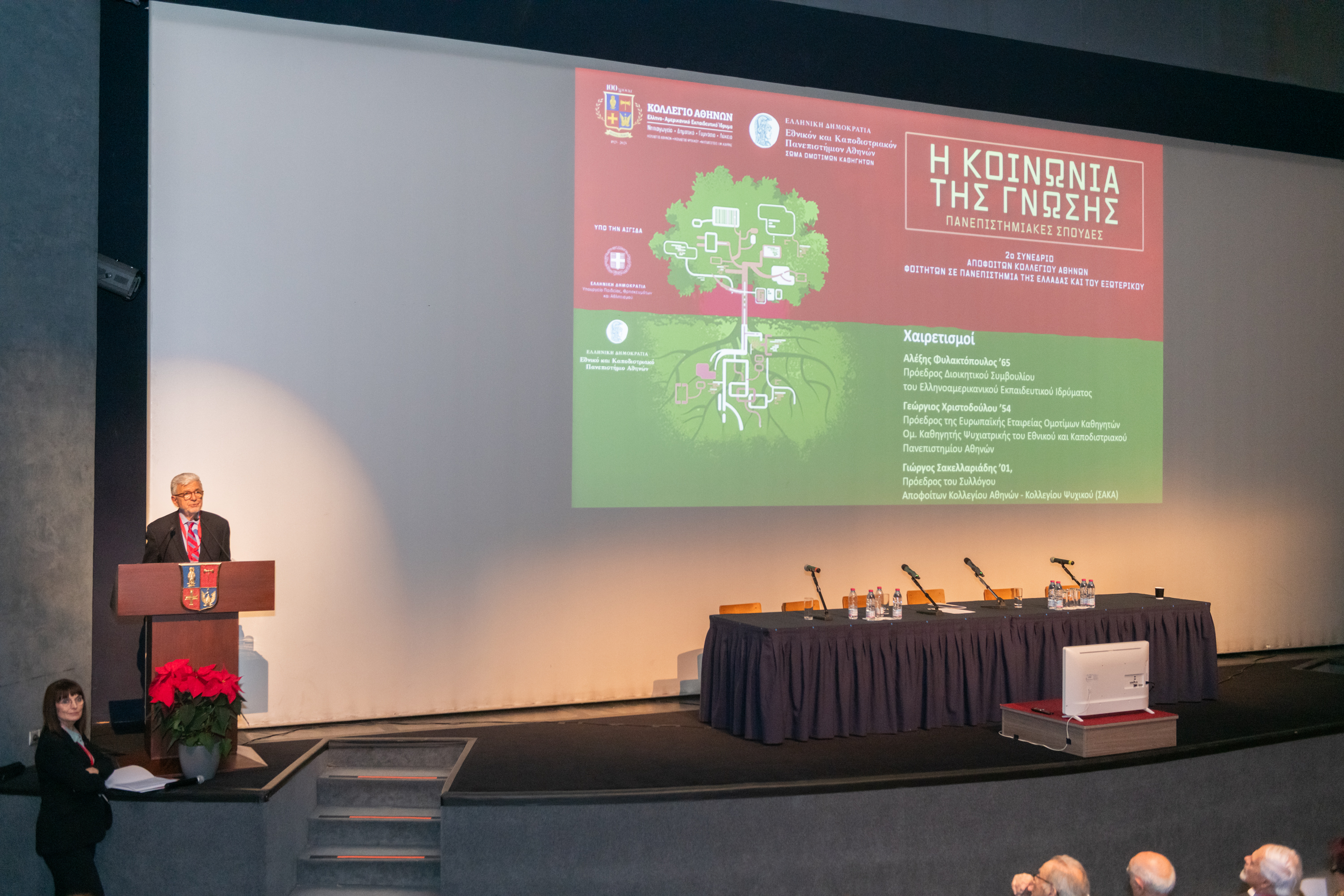
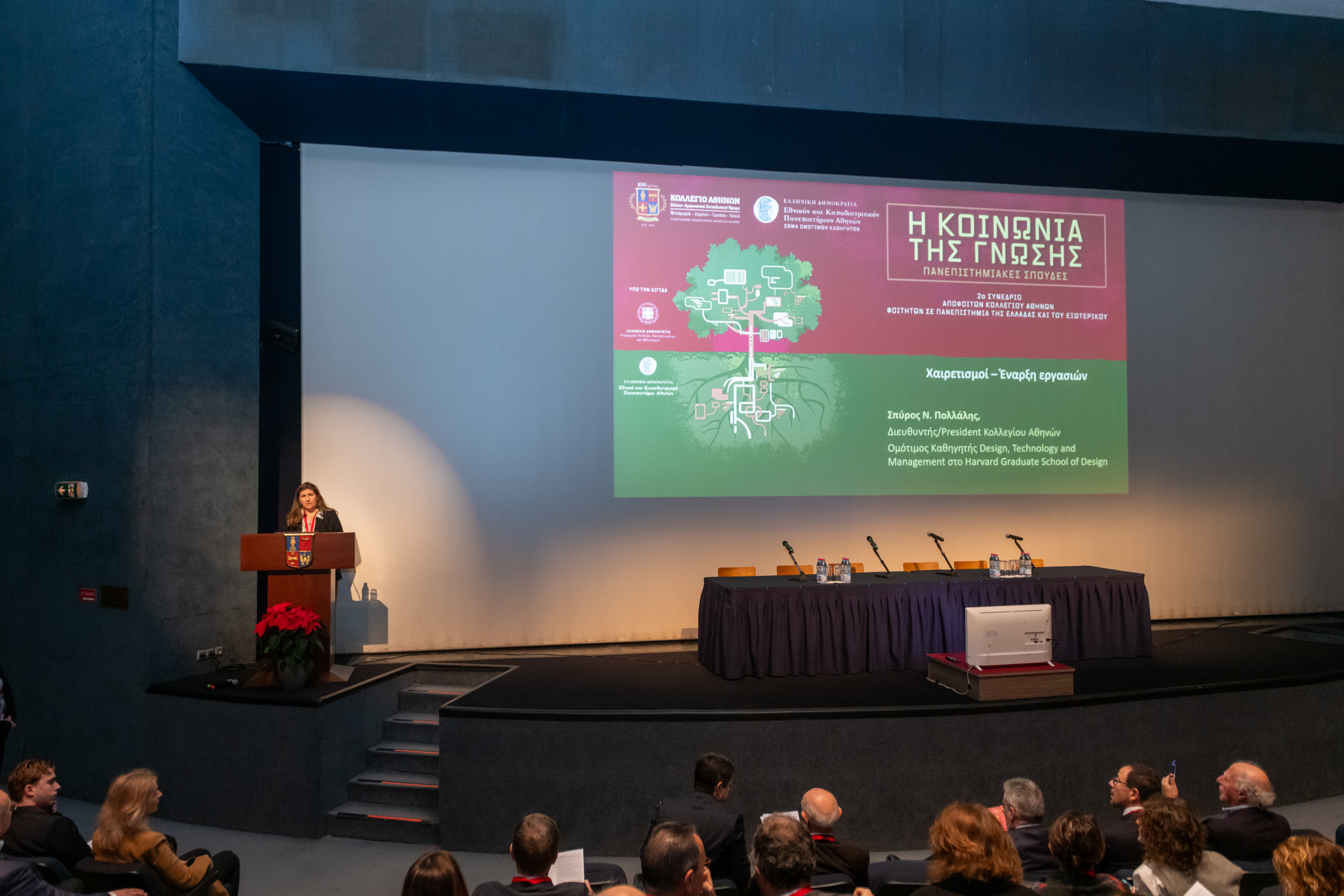
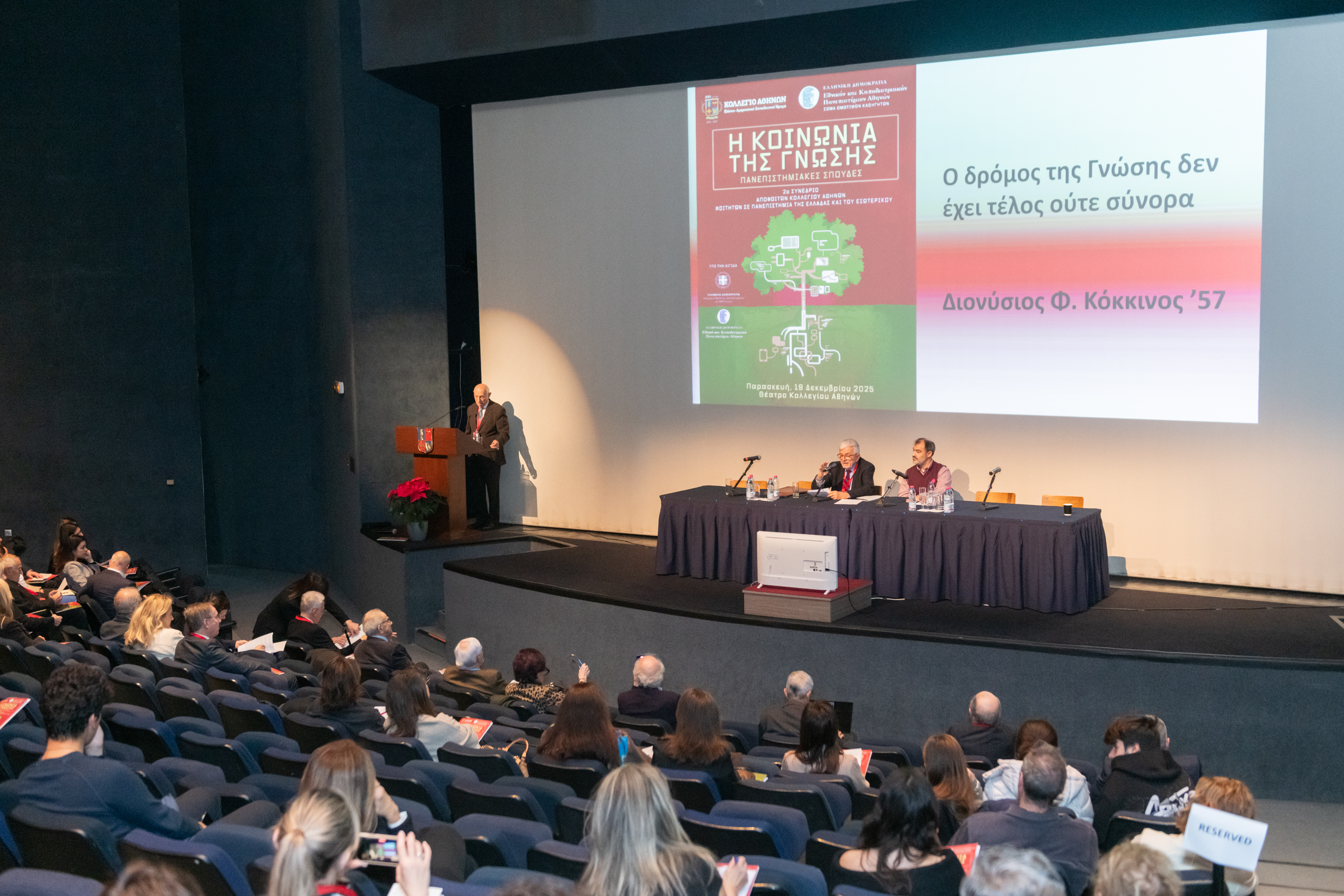
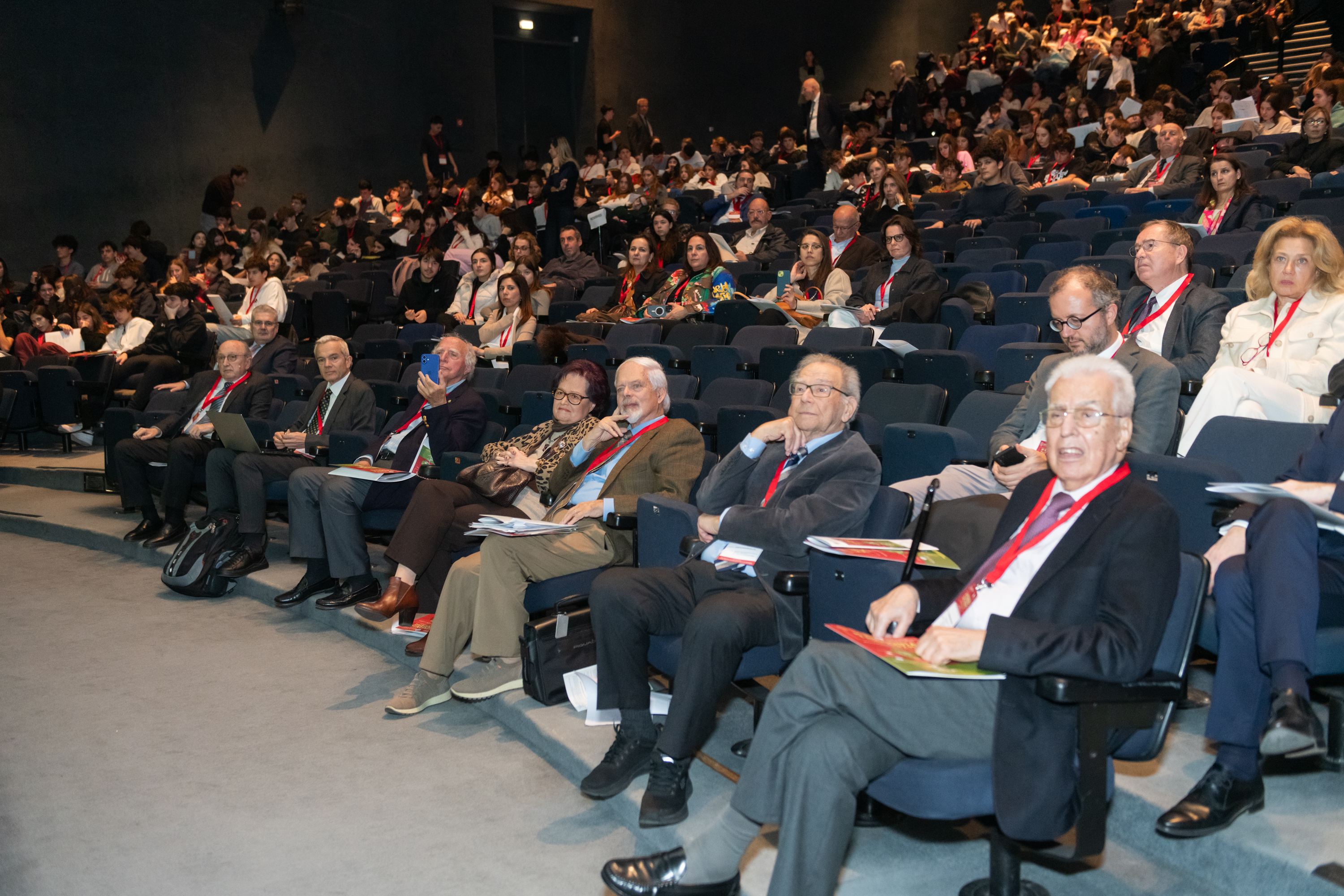
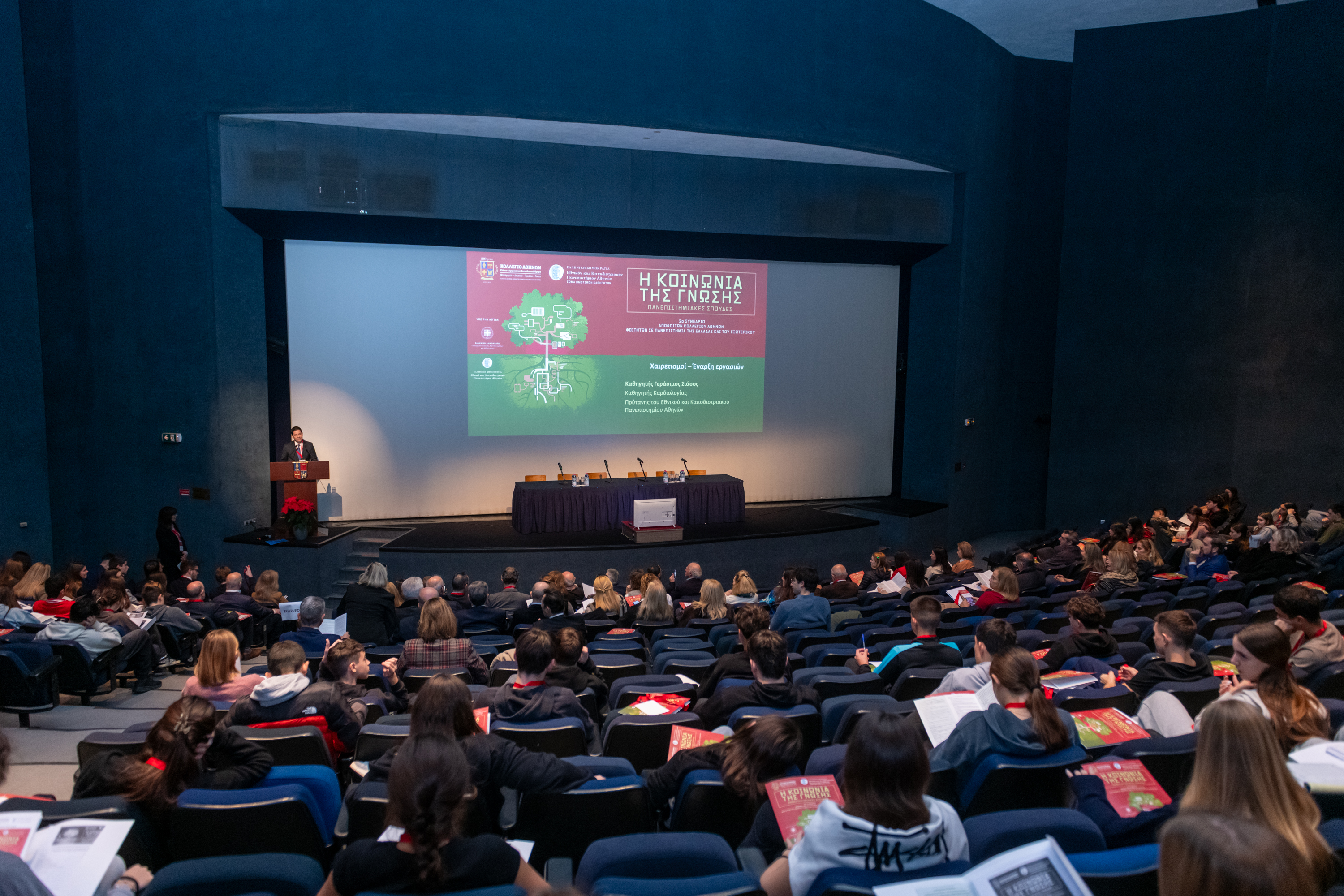
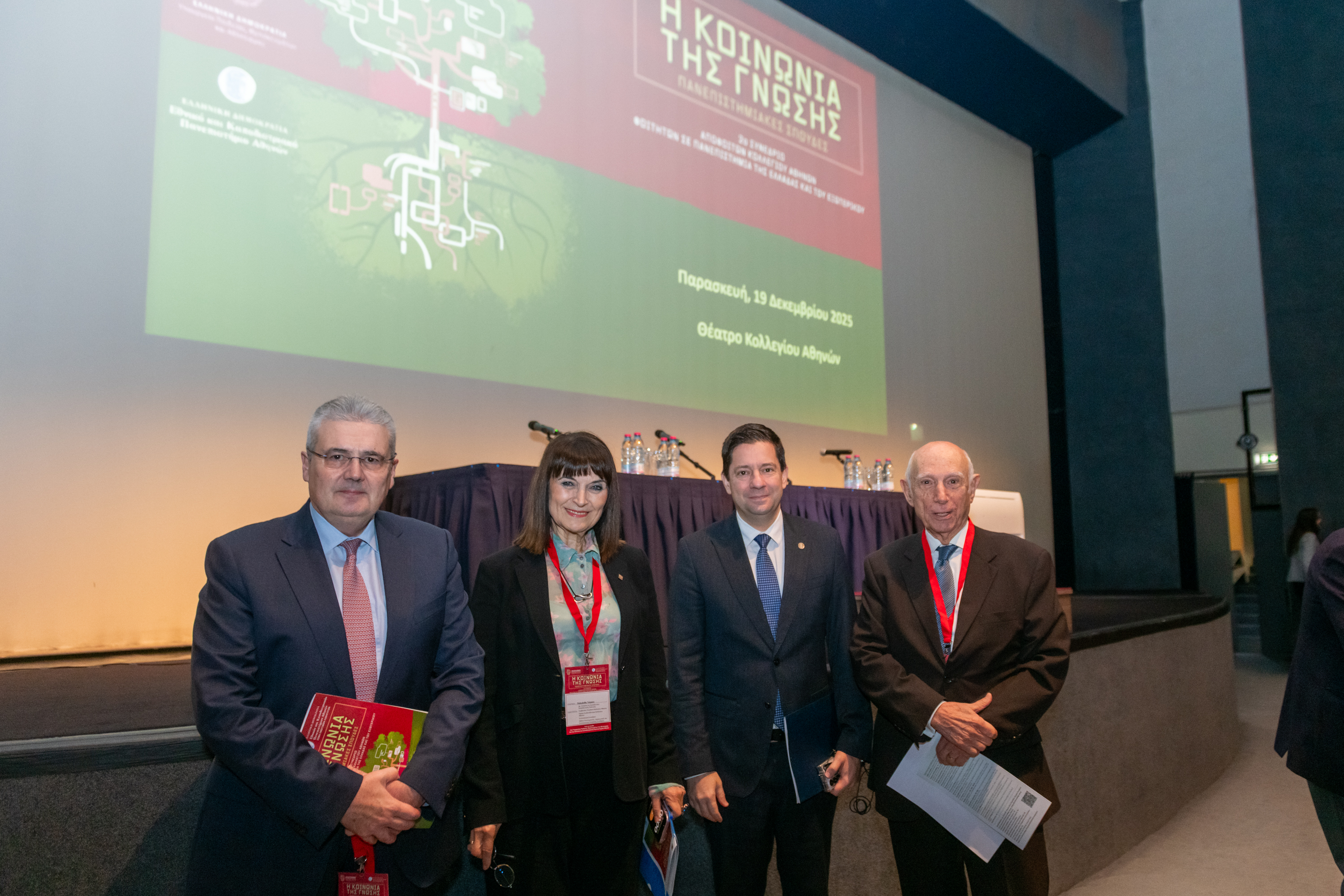
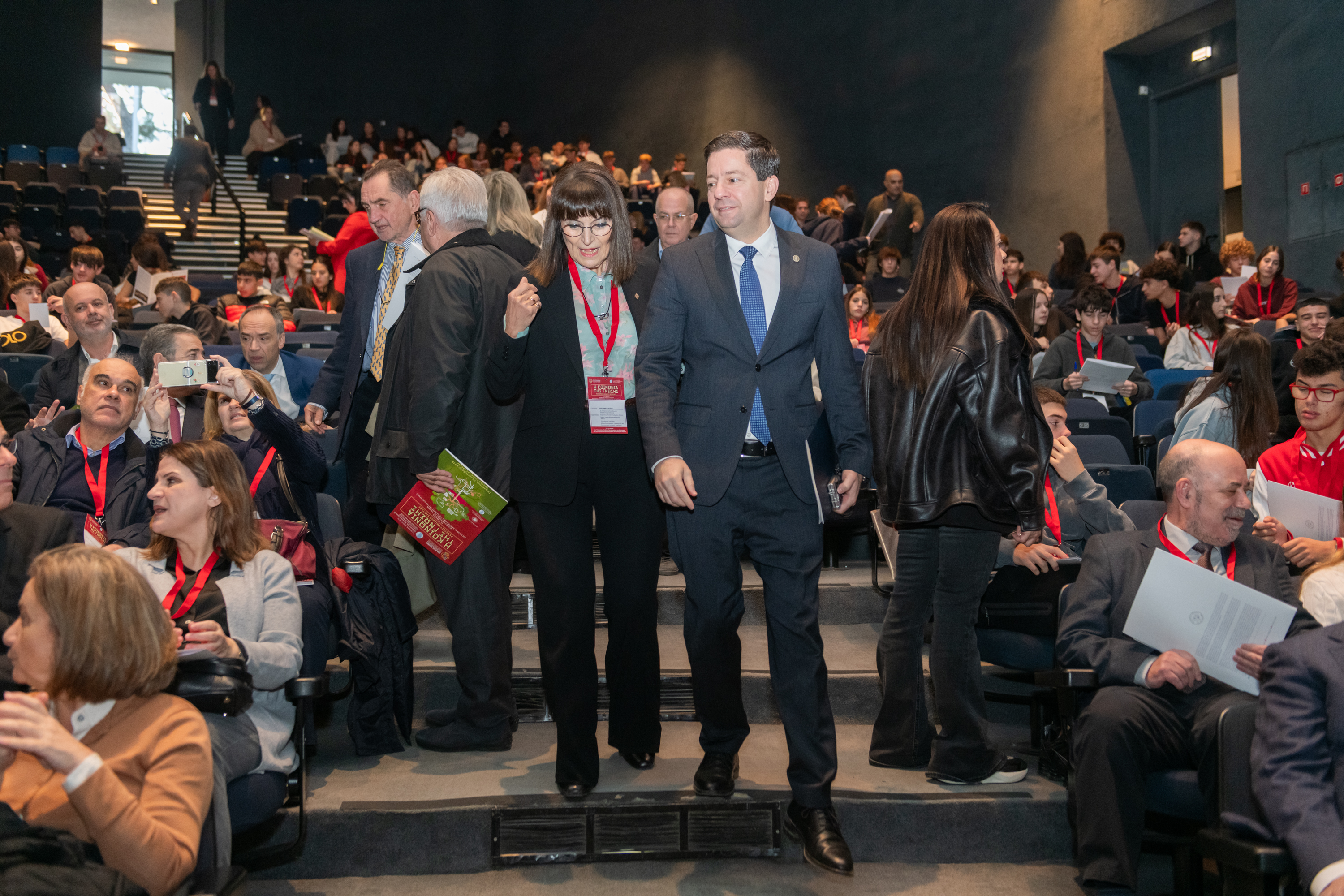
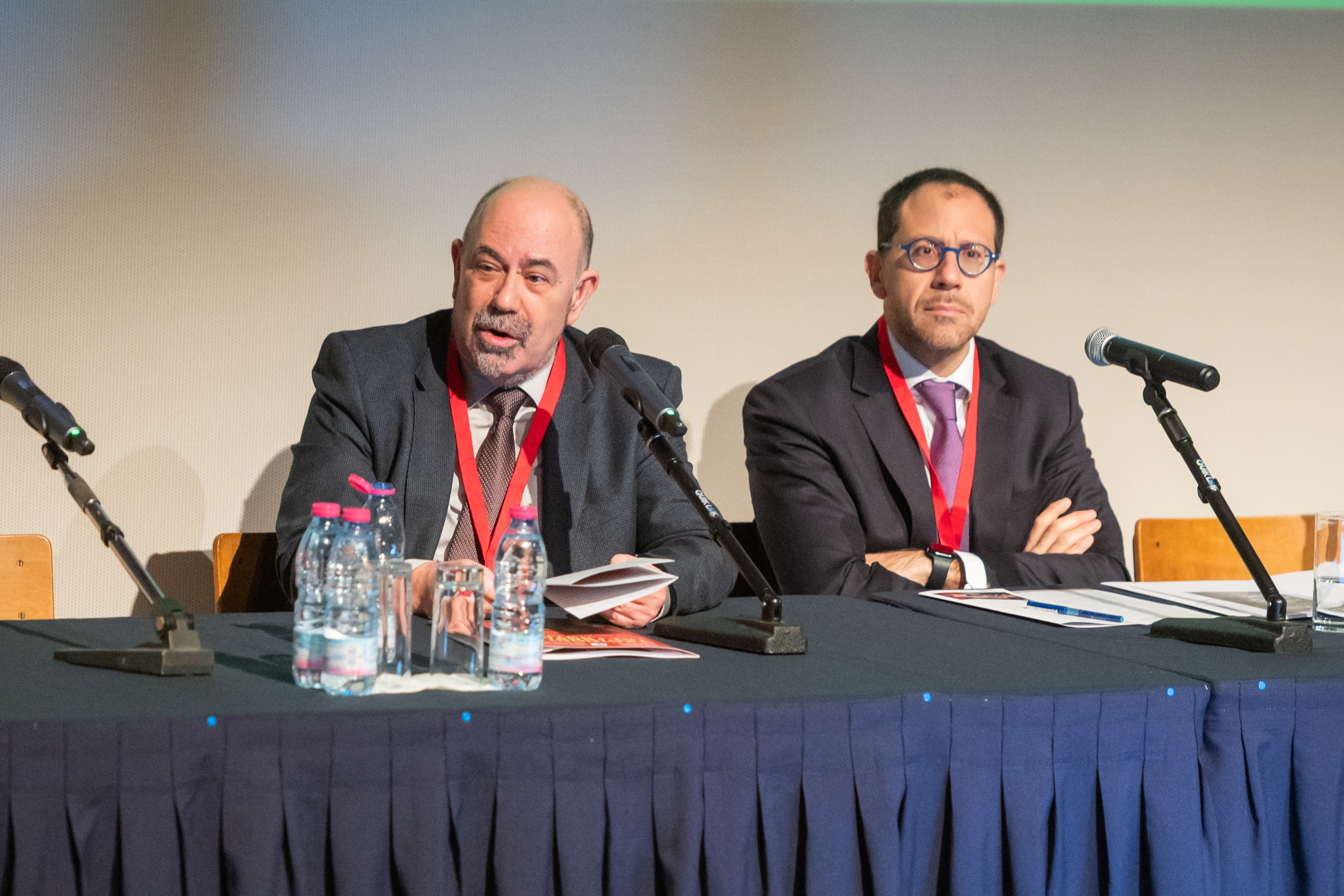
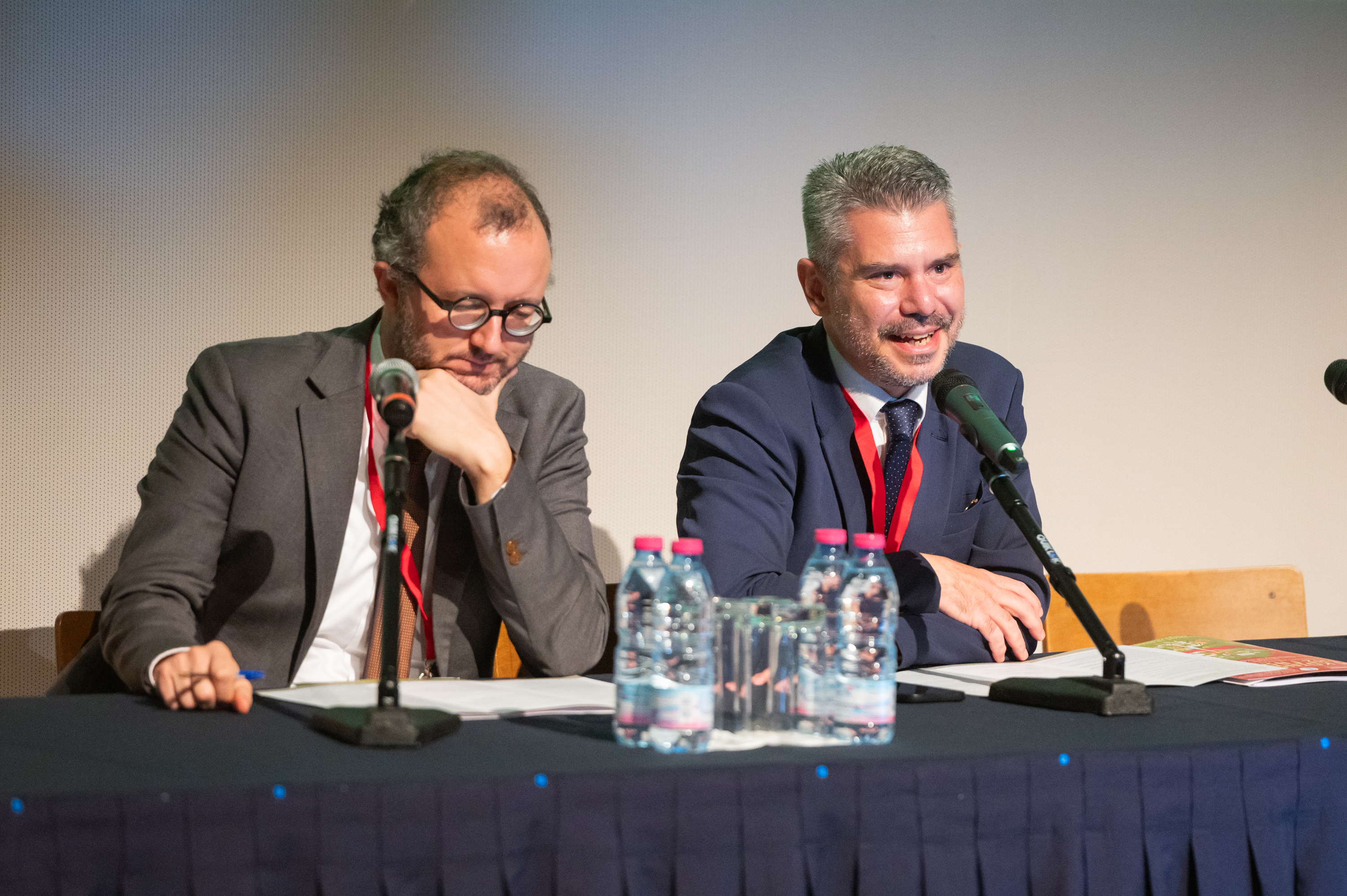
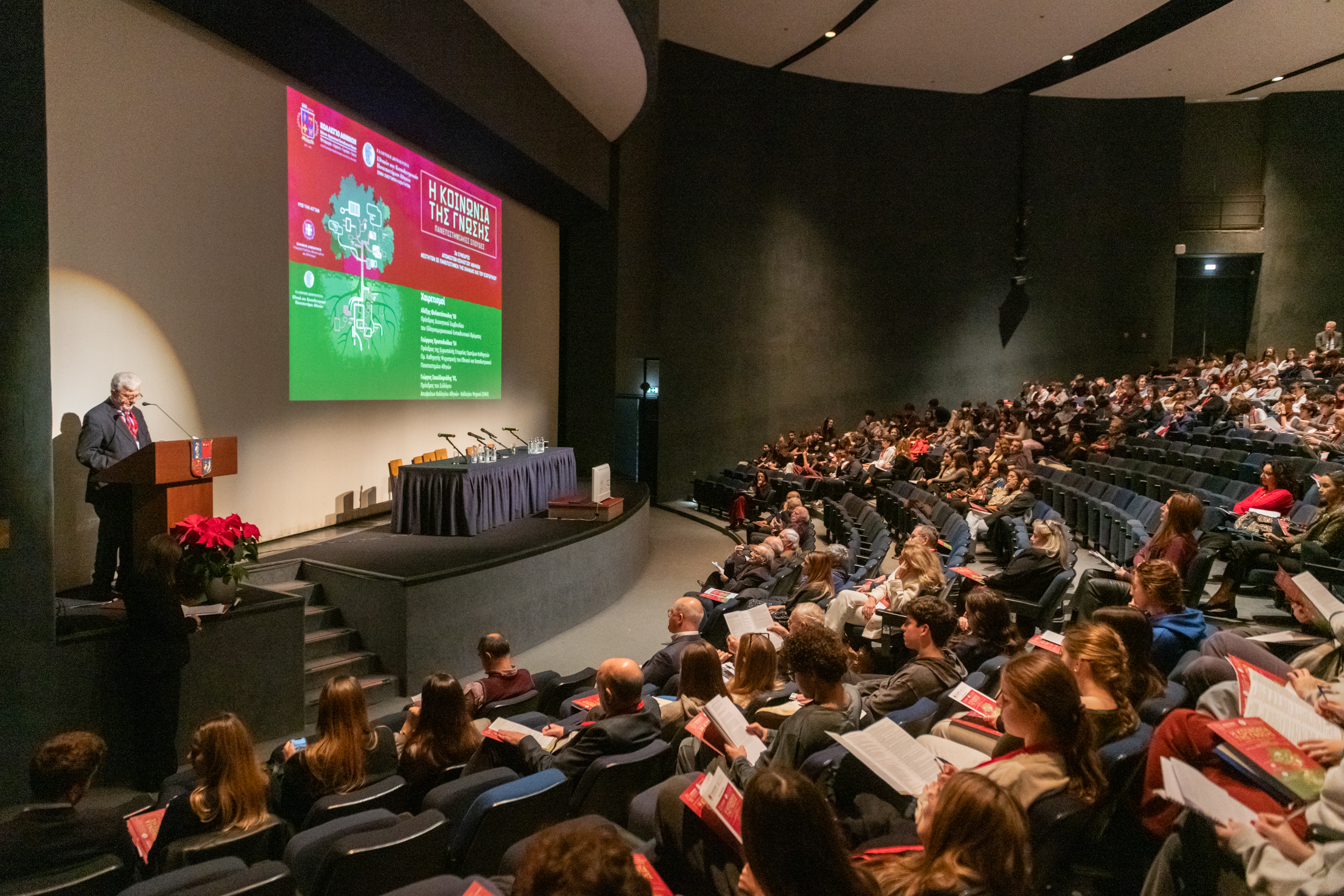
On Friday, December 19, 2025, the conference "The Society of Knowledge – University Studies" for College alumni was held at the Athens College Theater. The event was organized by the School in collaboration with the Council of Professors Emeriti of the University of Athens and formed part of the celebrations for the Athens College Centennial. The conference was organized under the auspices of the Ministry of Education, Religious Affairs, and Sports, and the National and Kapodistrian University of Athens (NKUA).
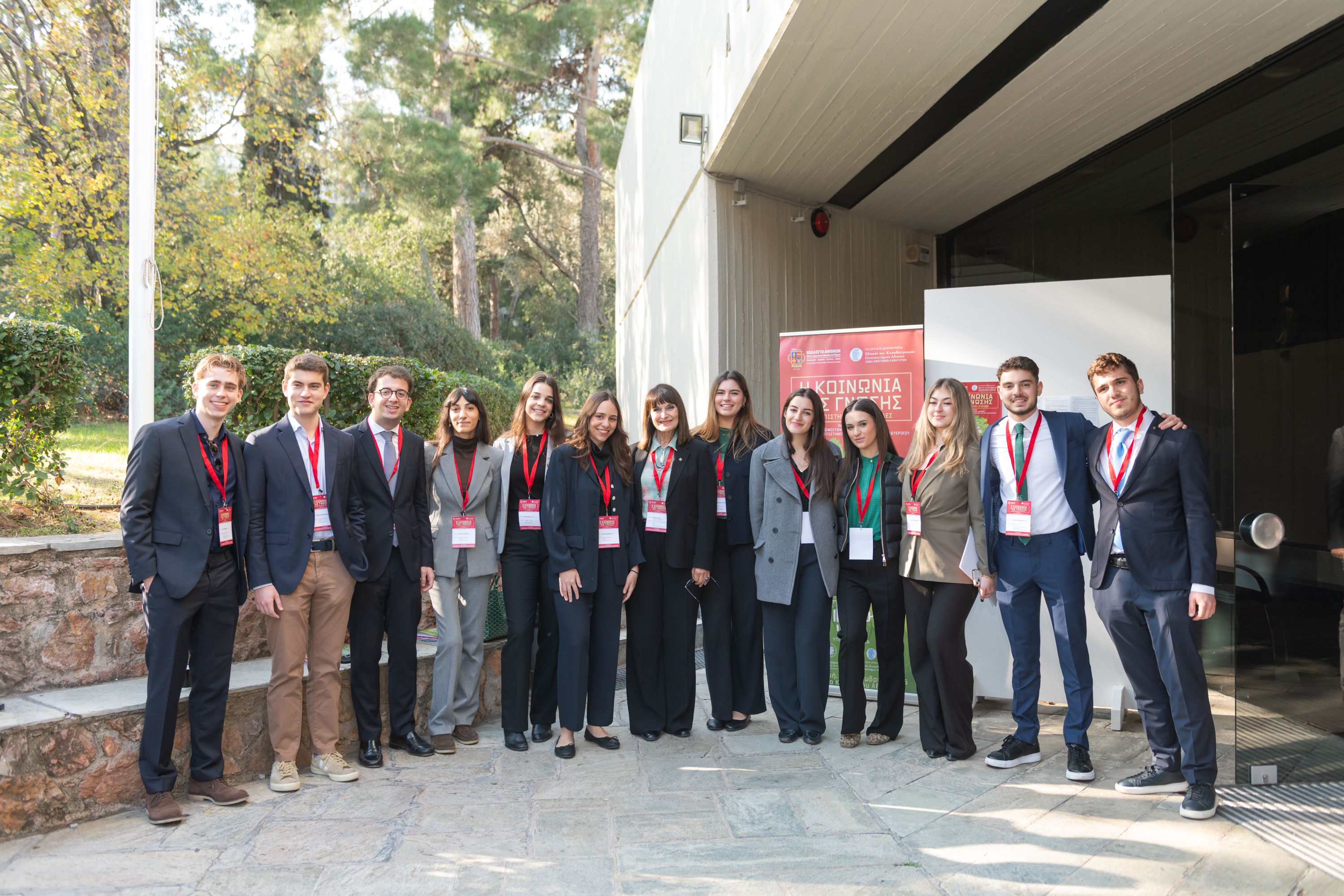
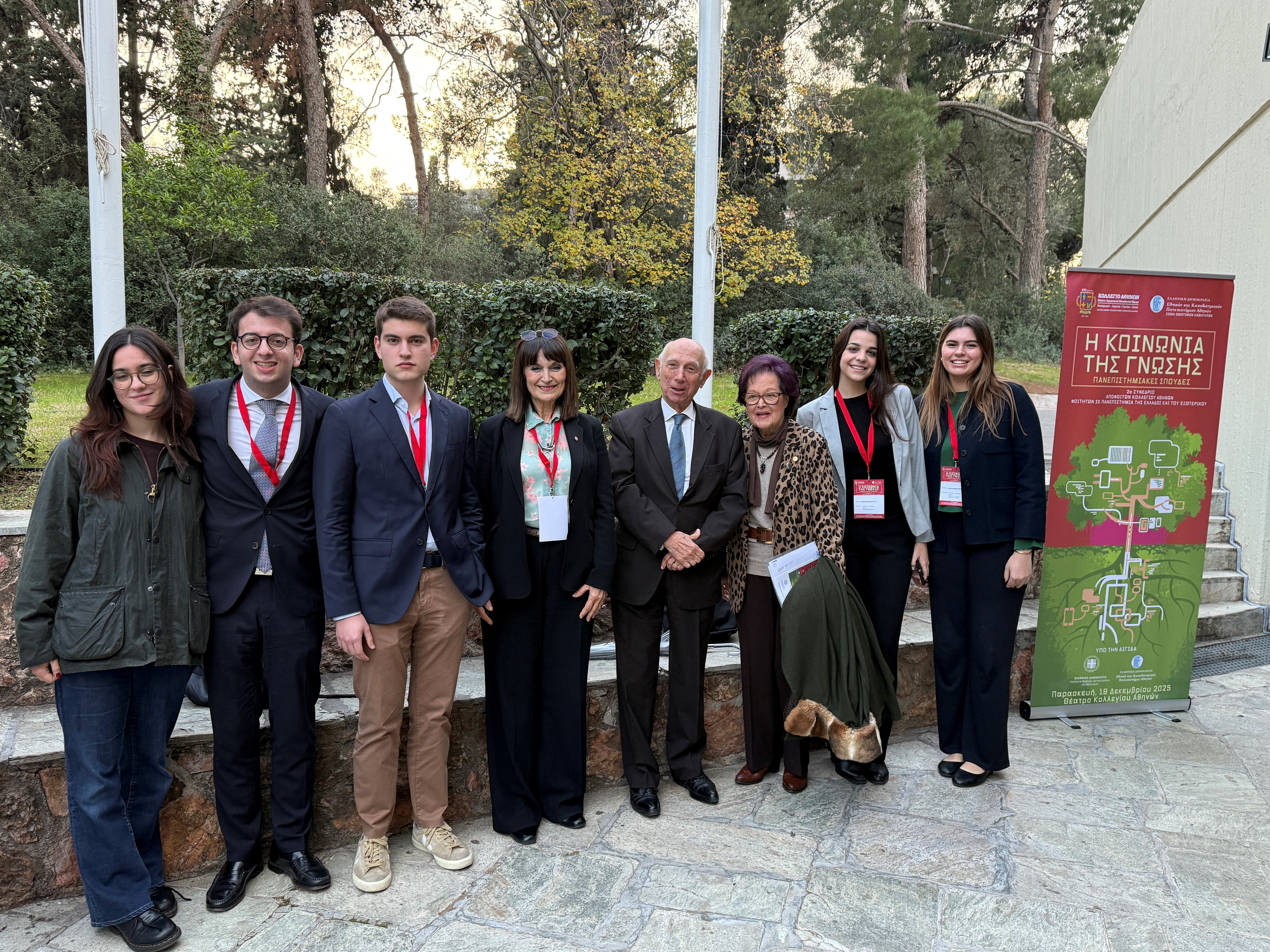
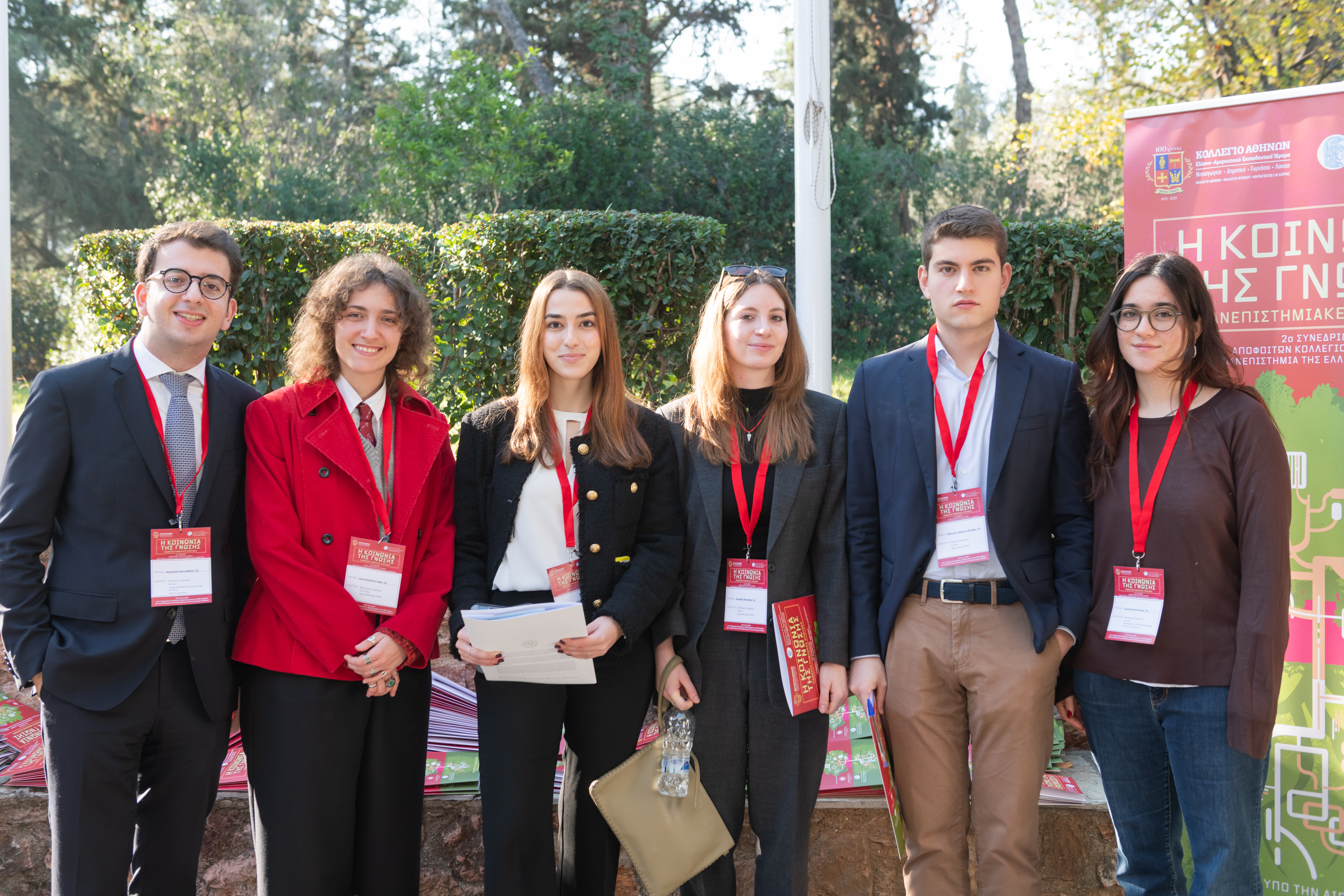
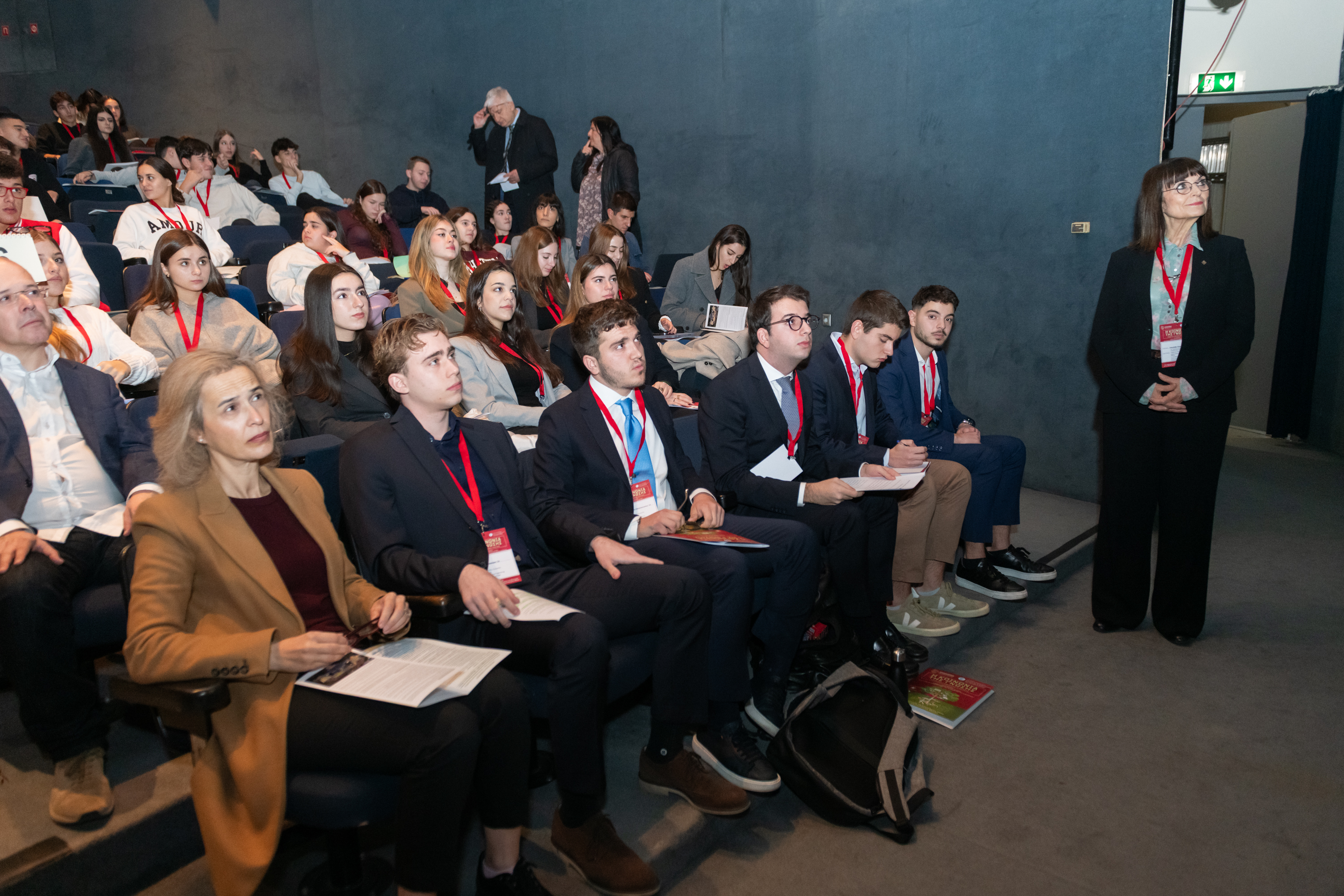
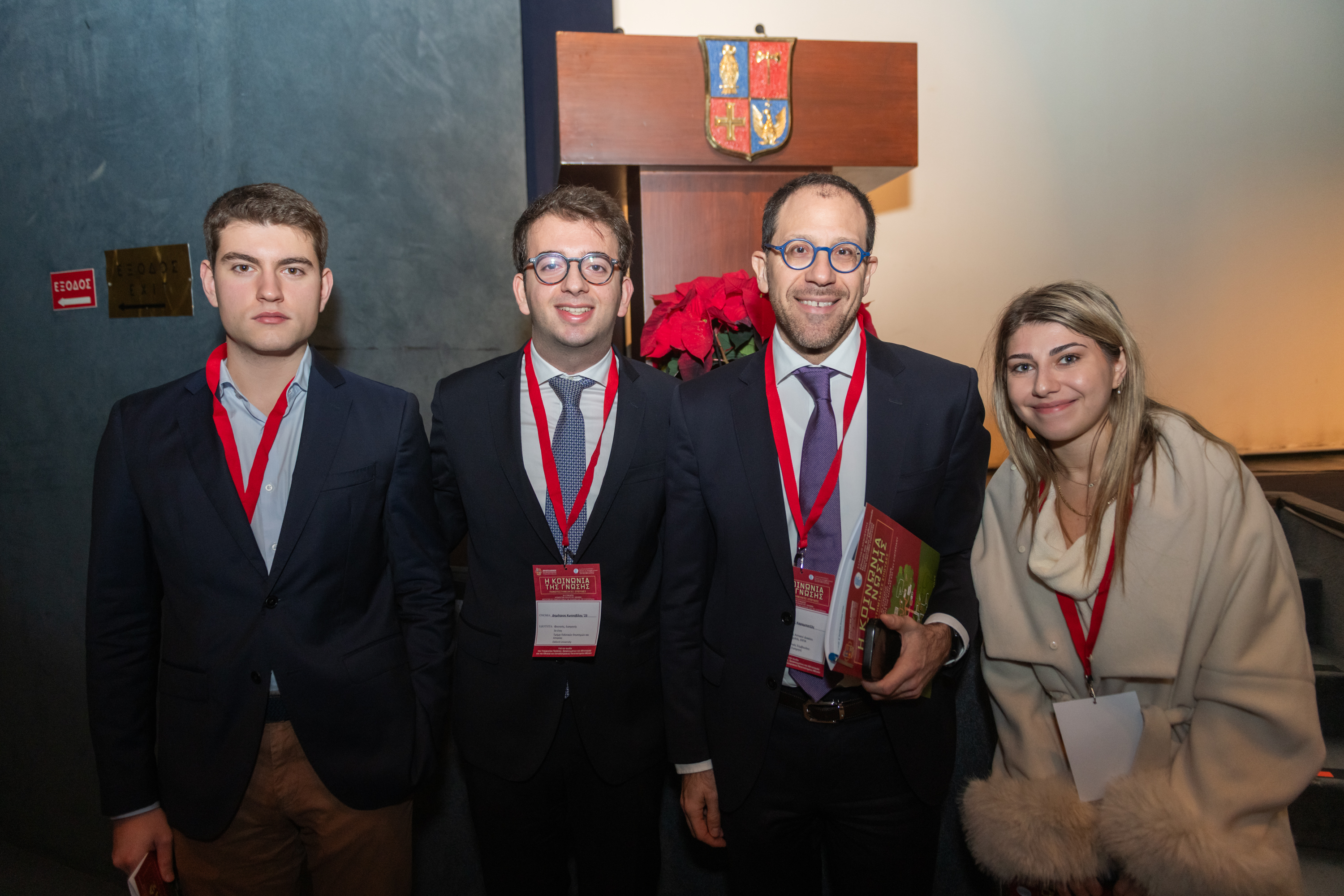
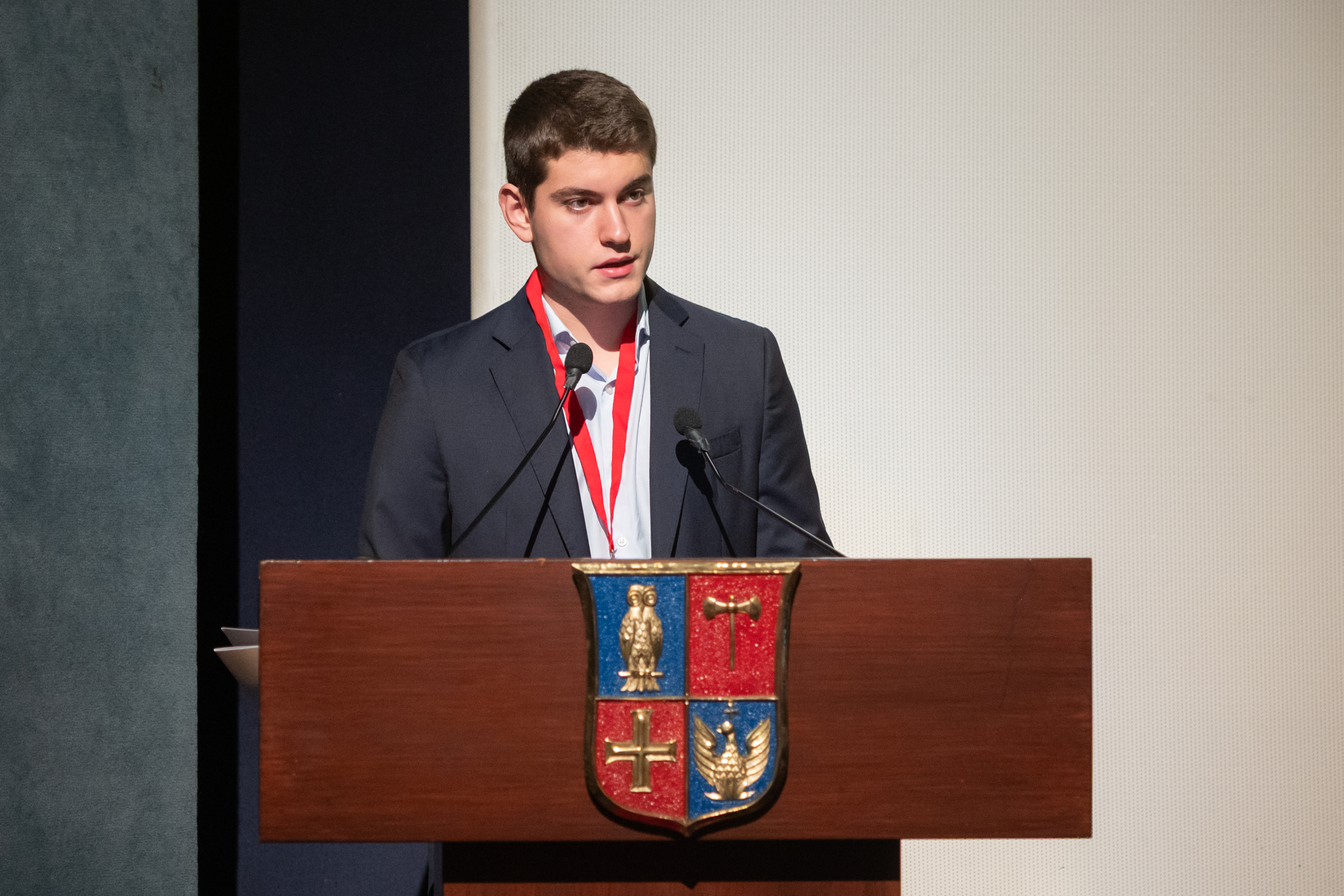
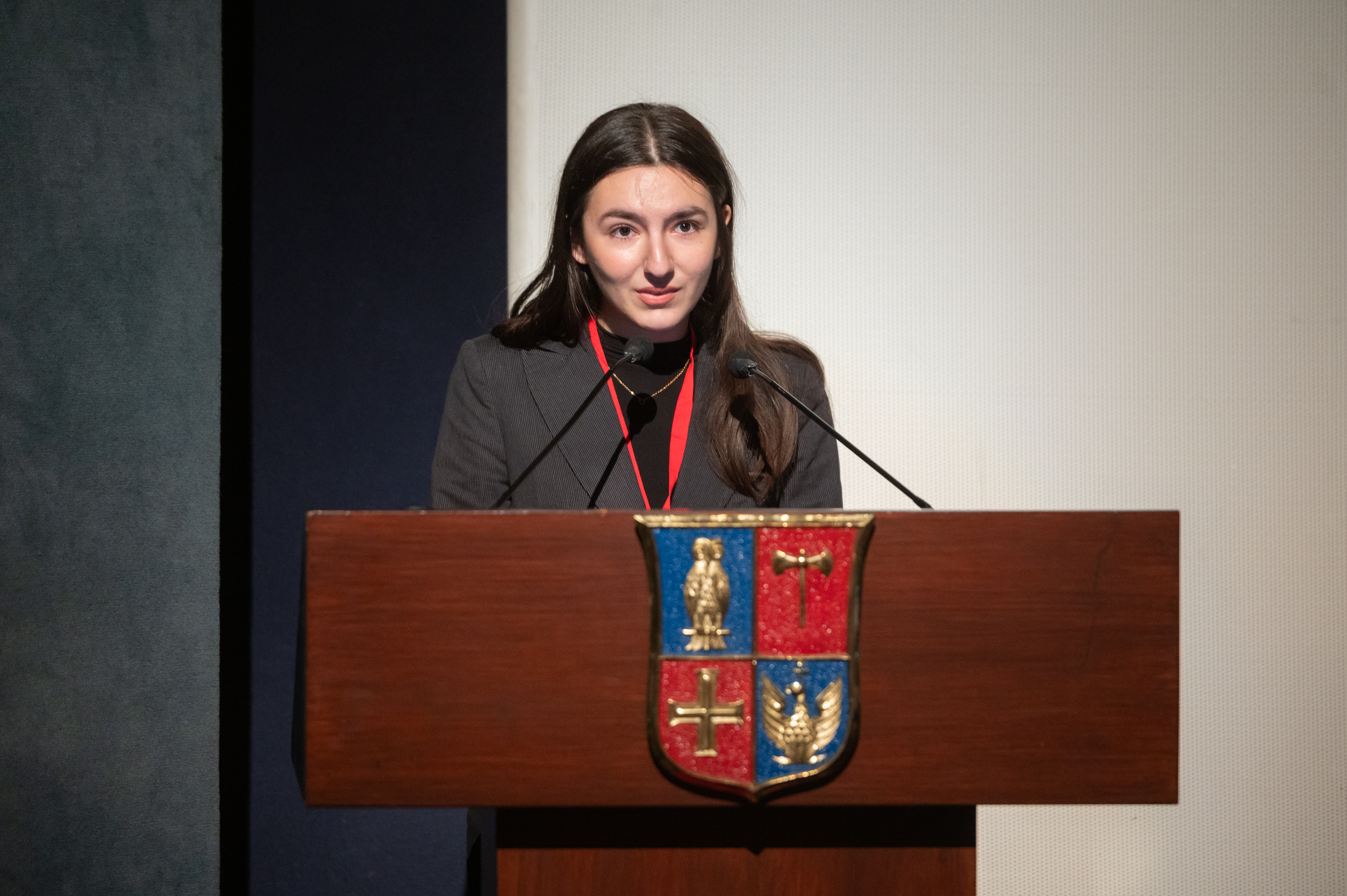
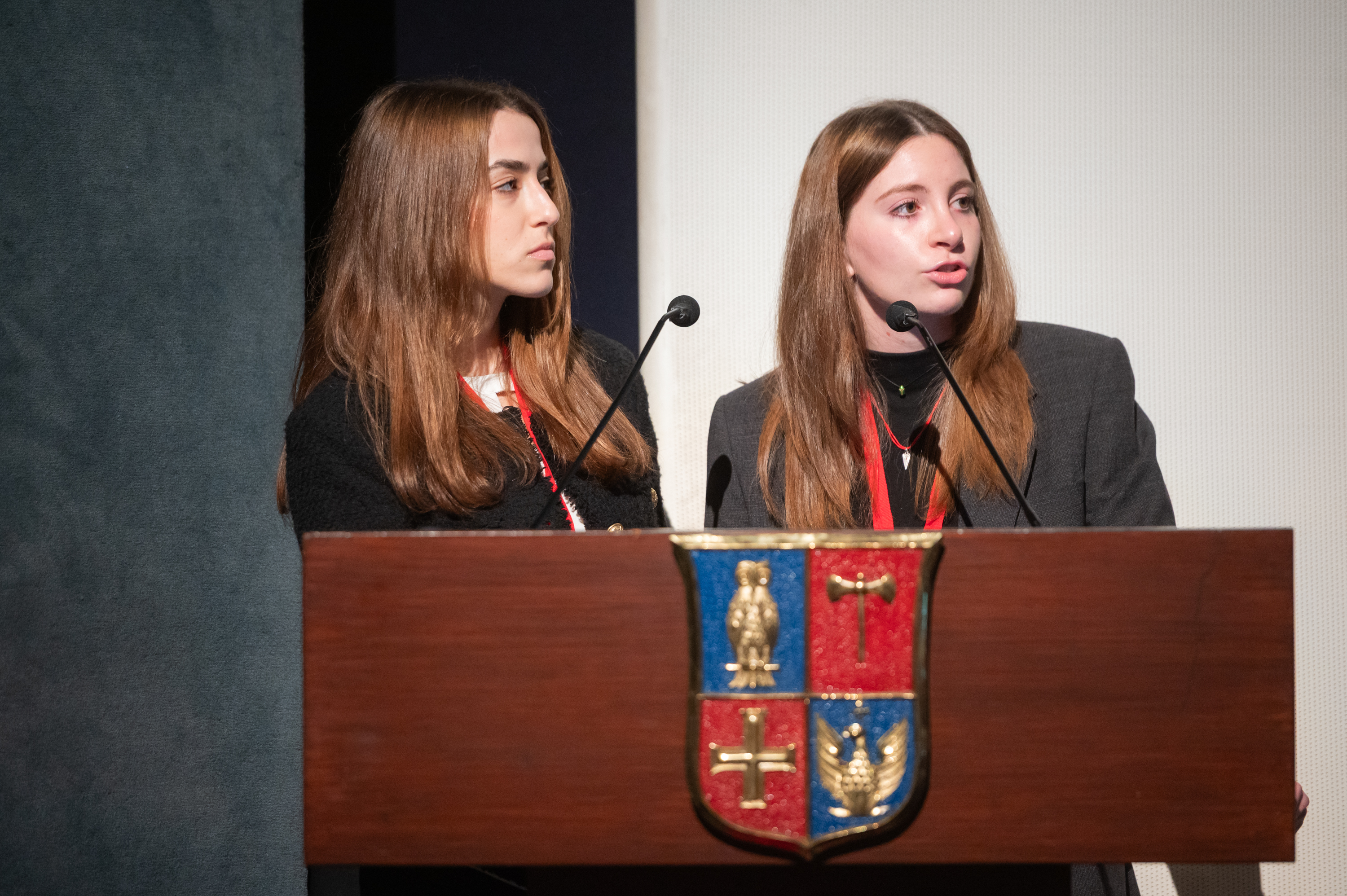
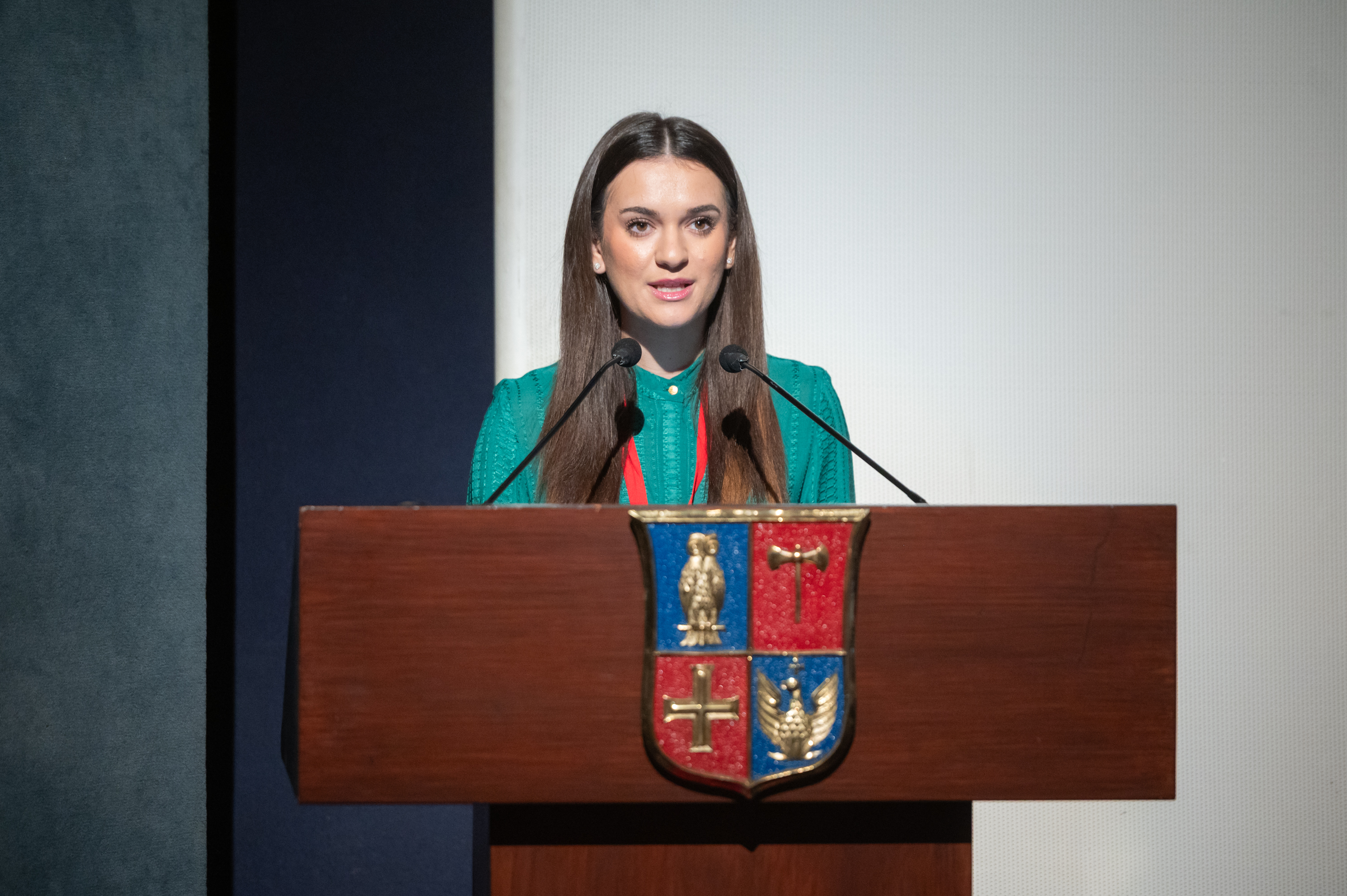
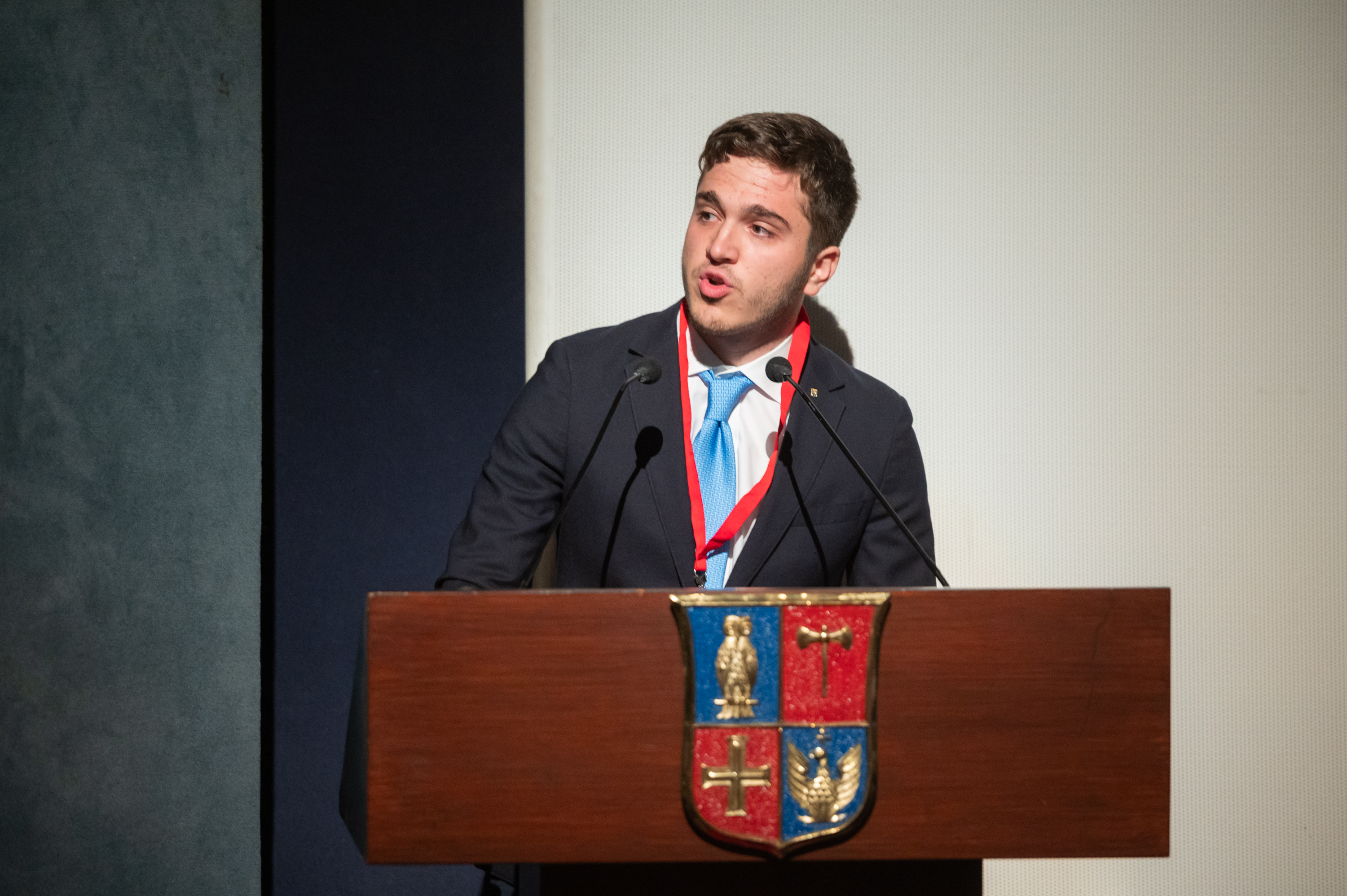
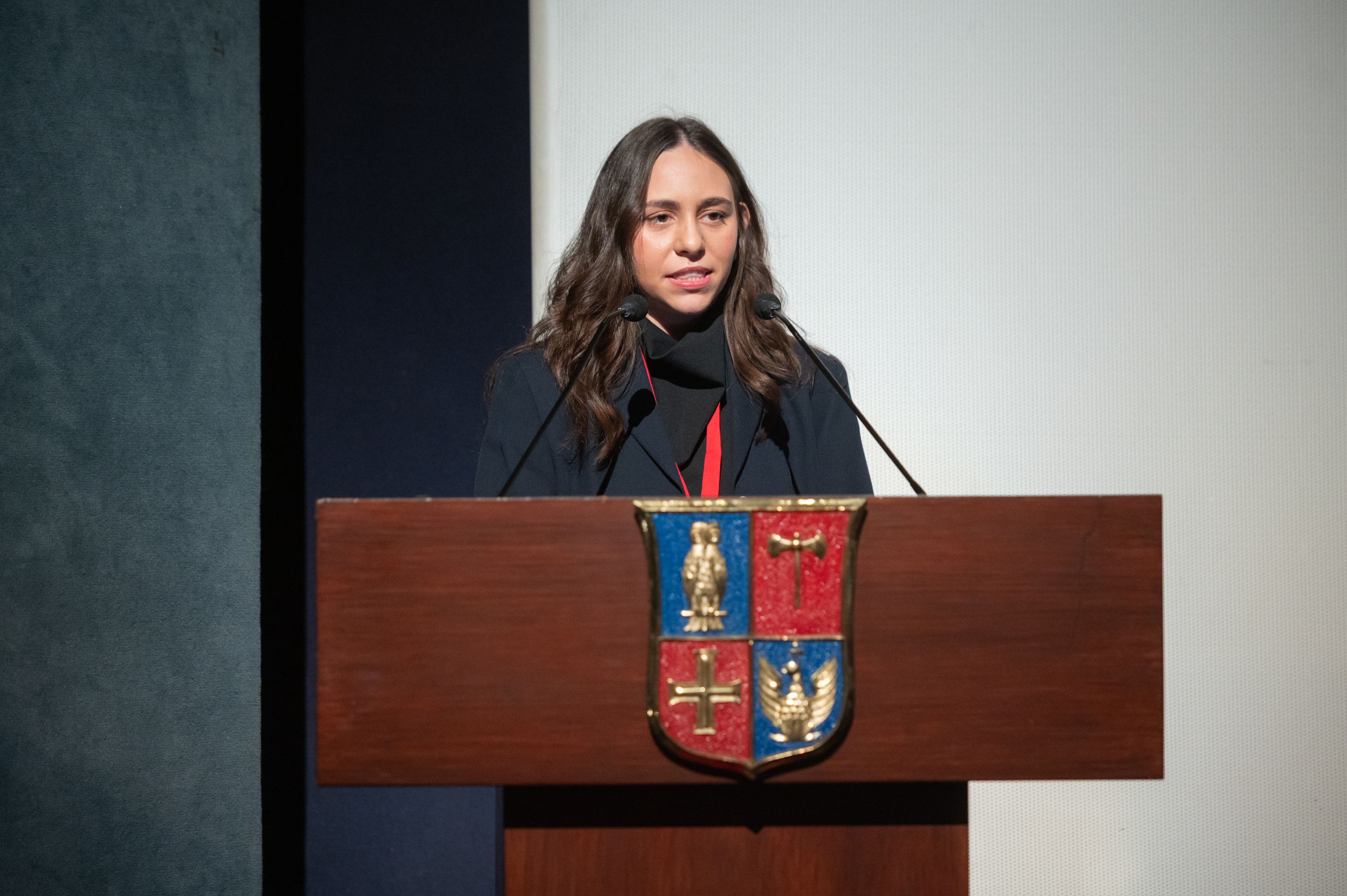
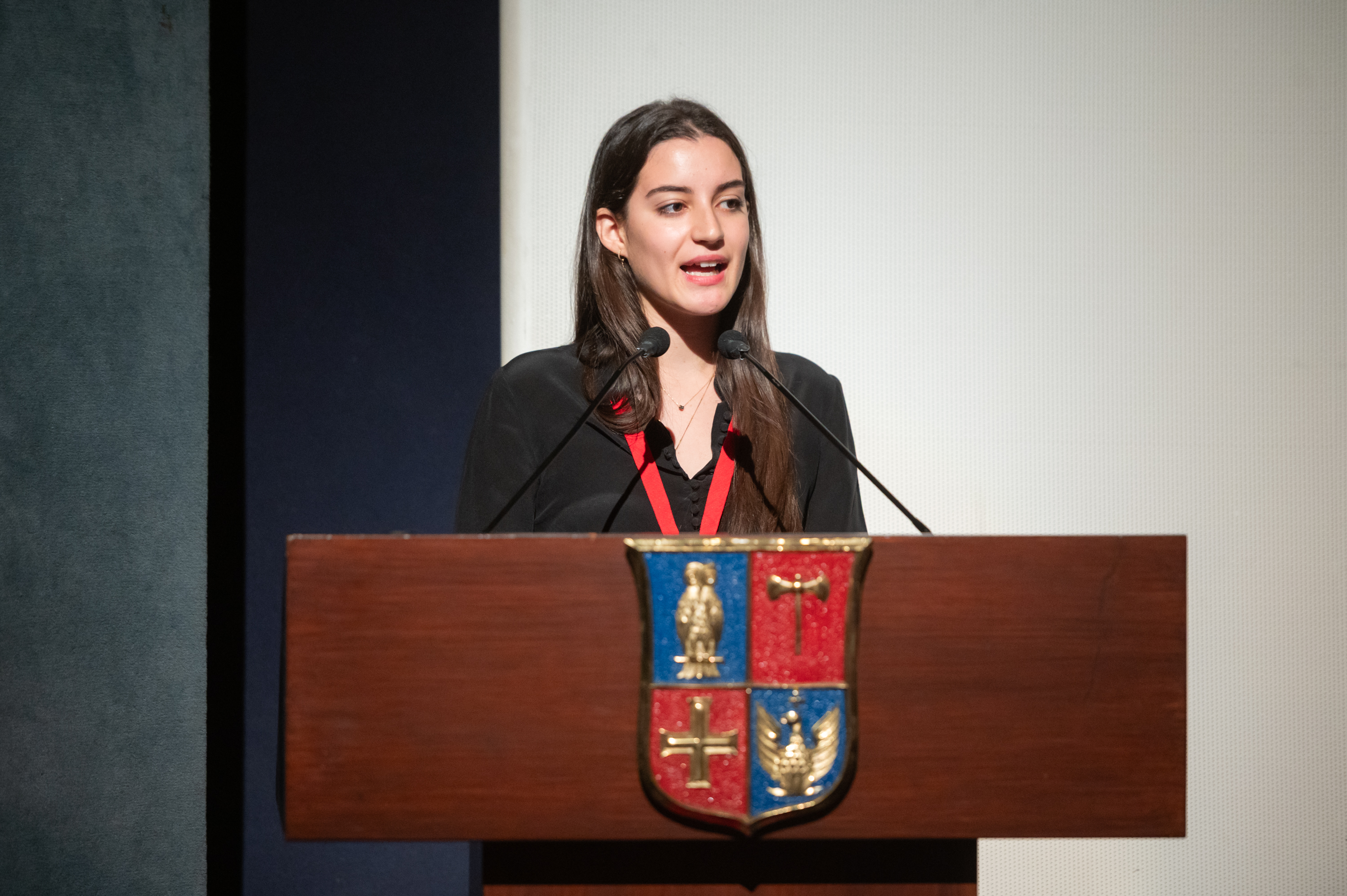
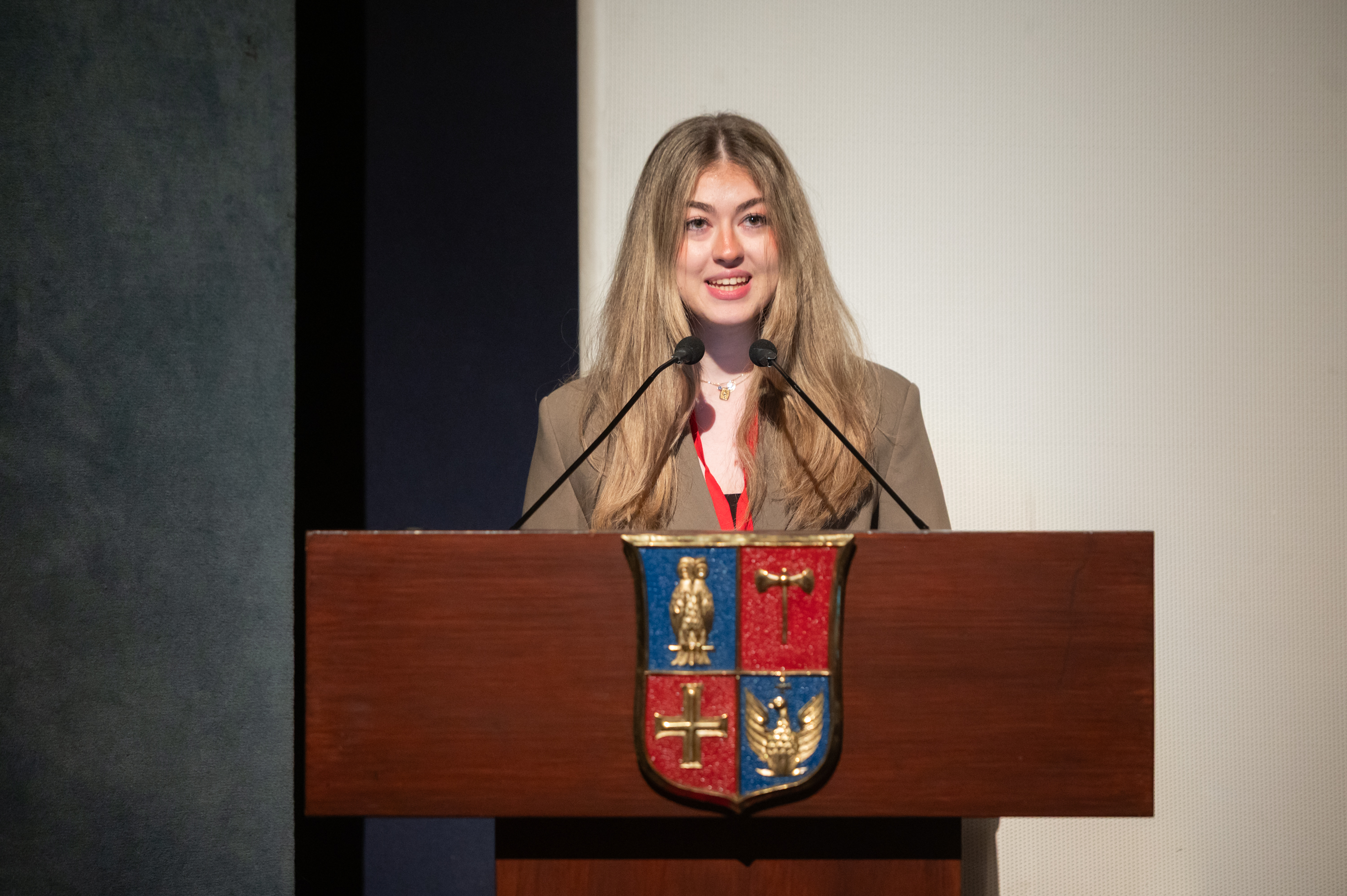
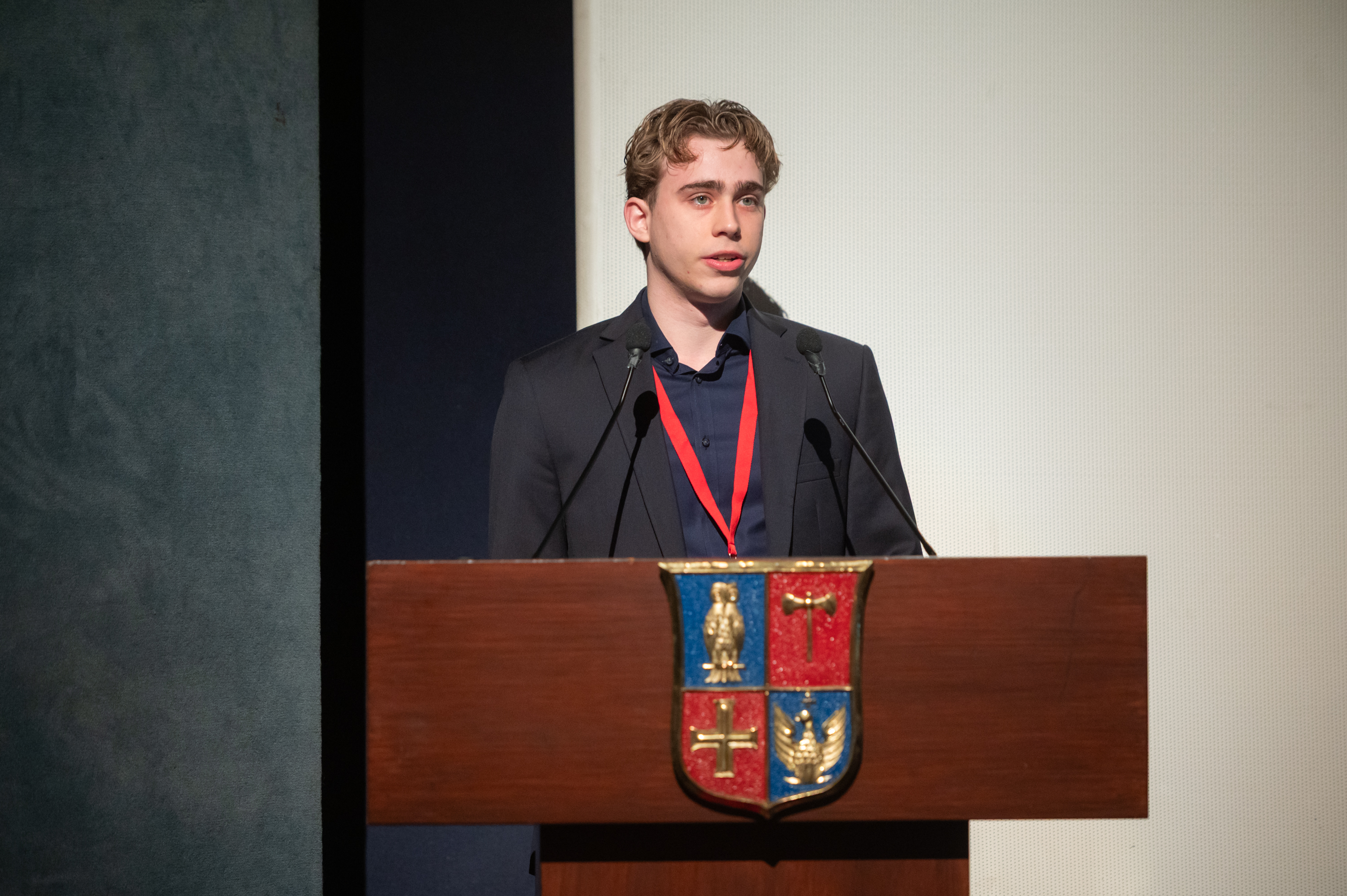
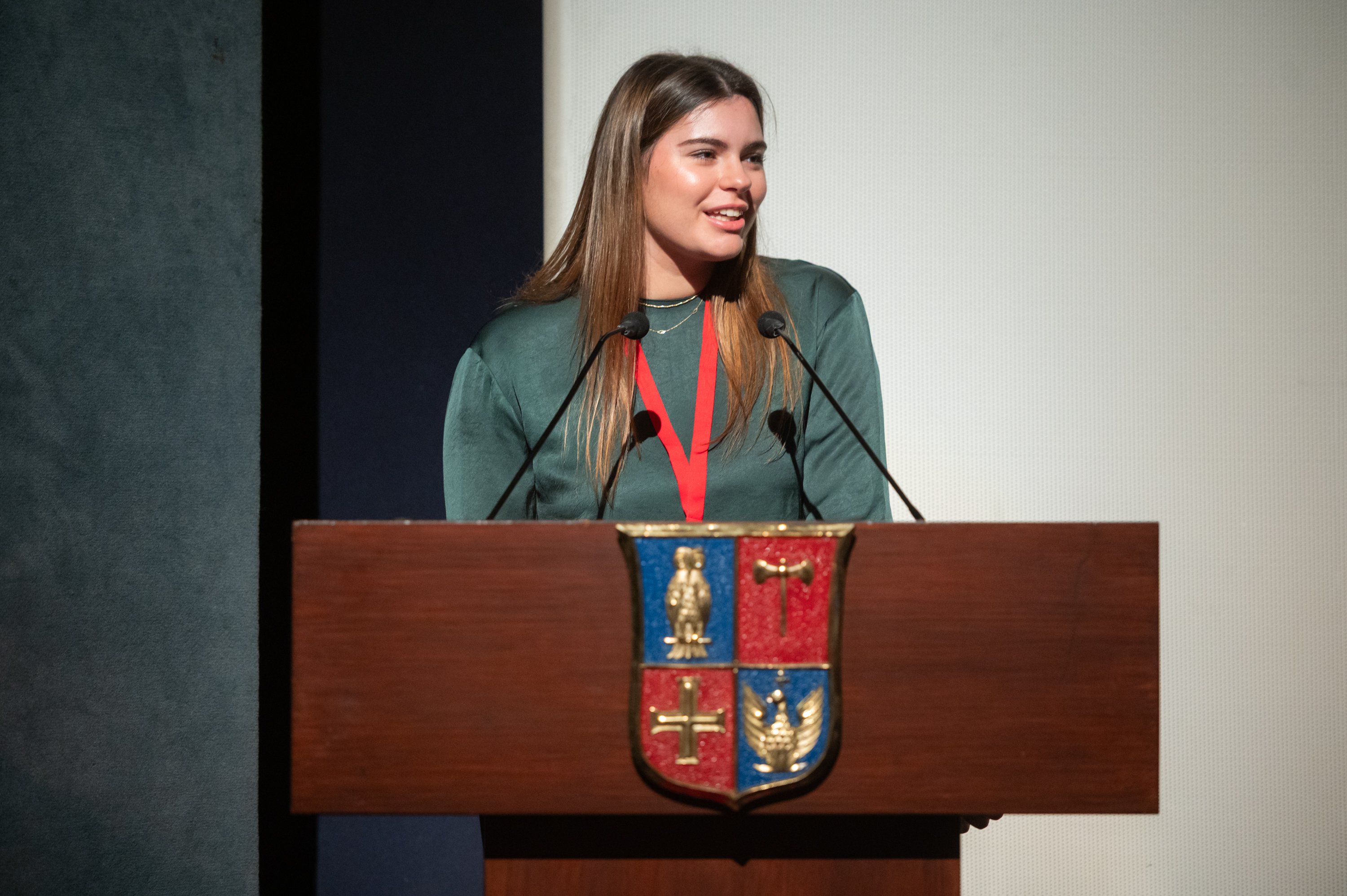
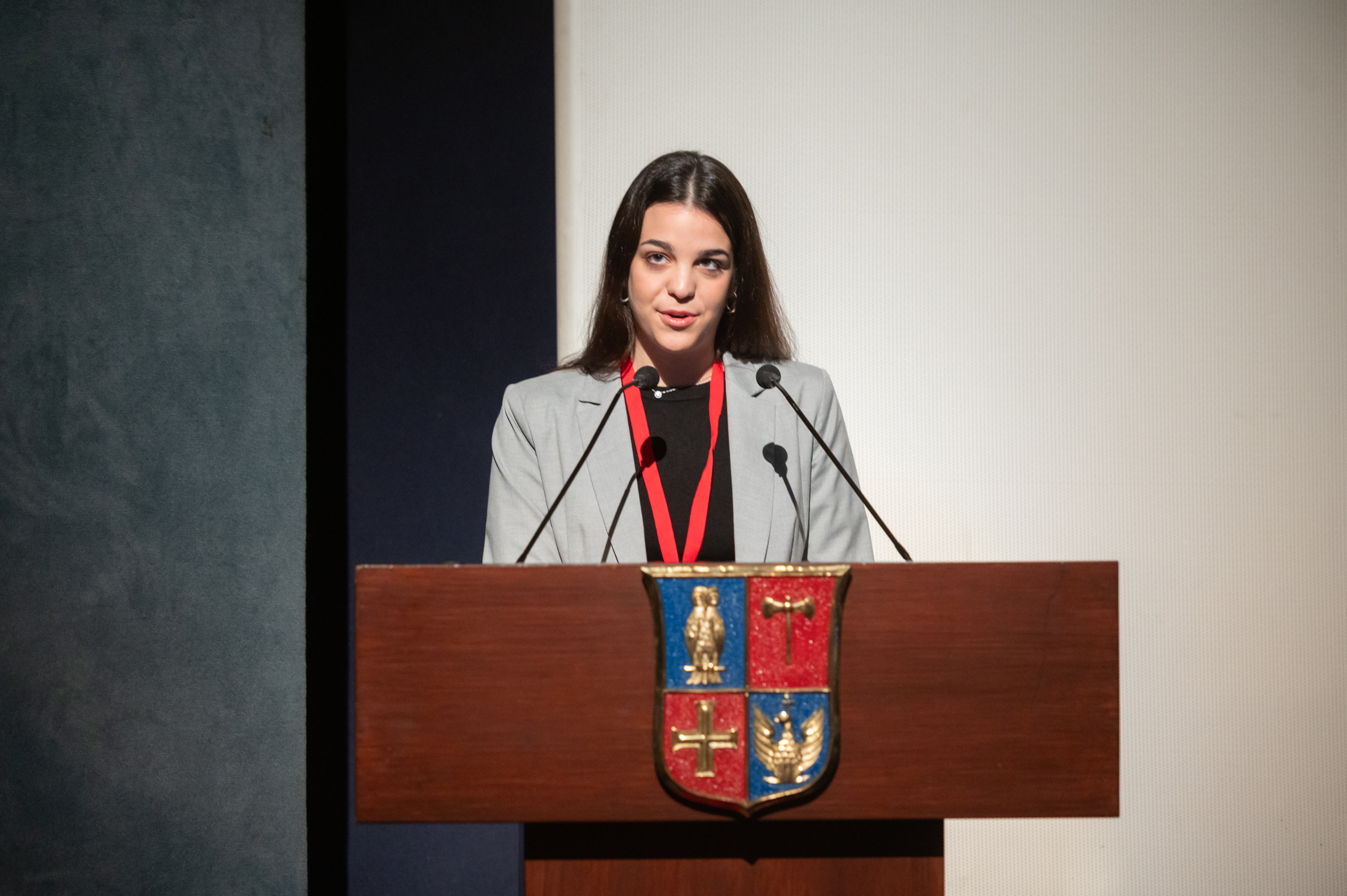
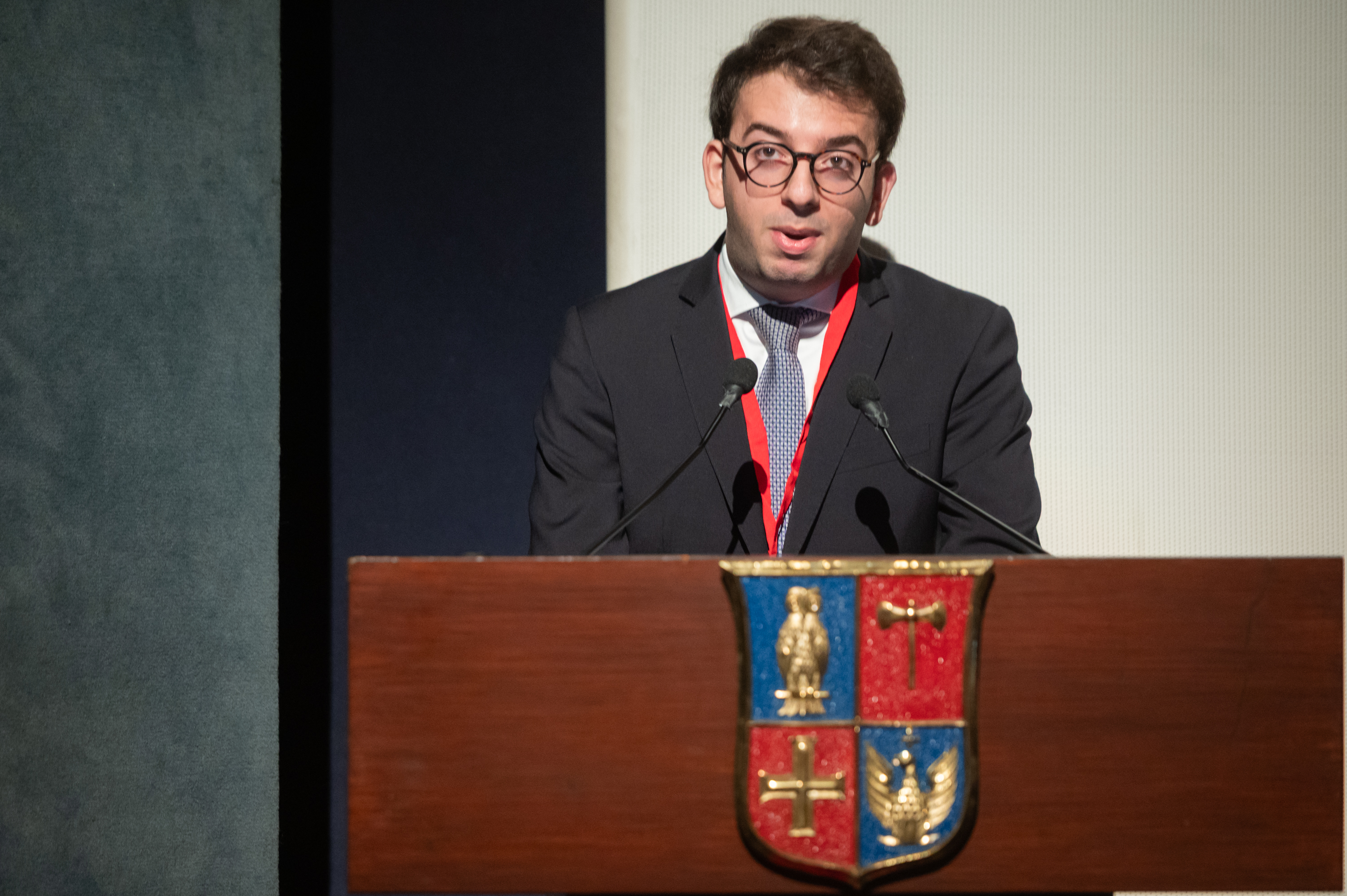
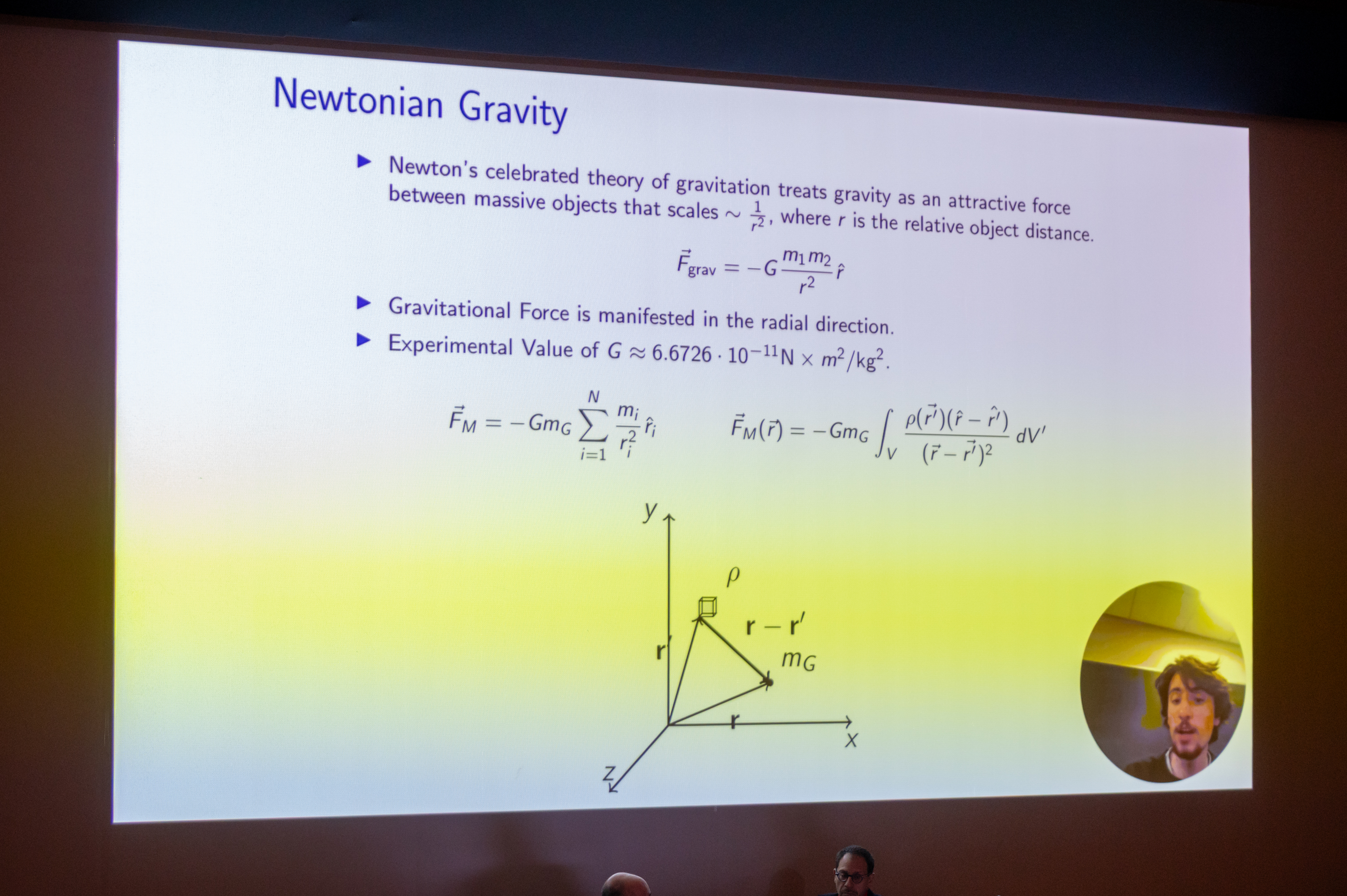
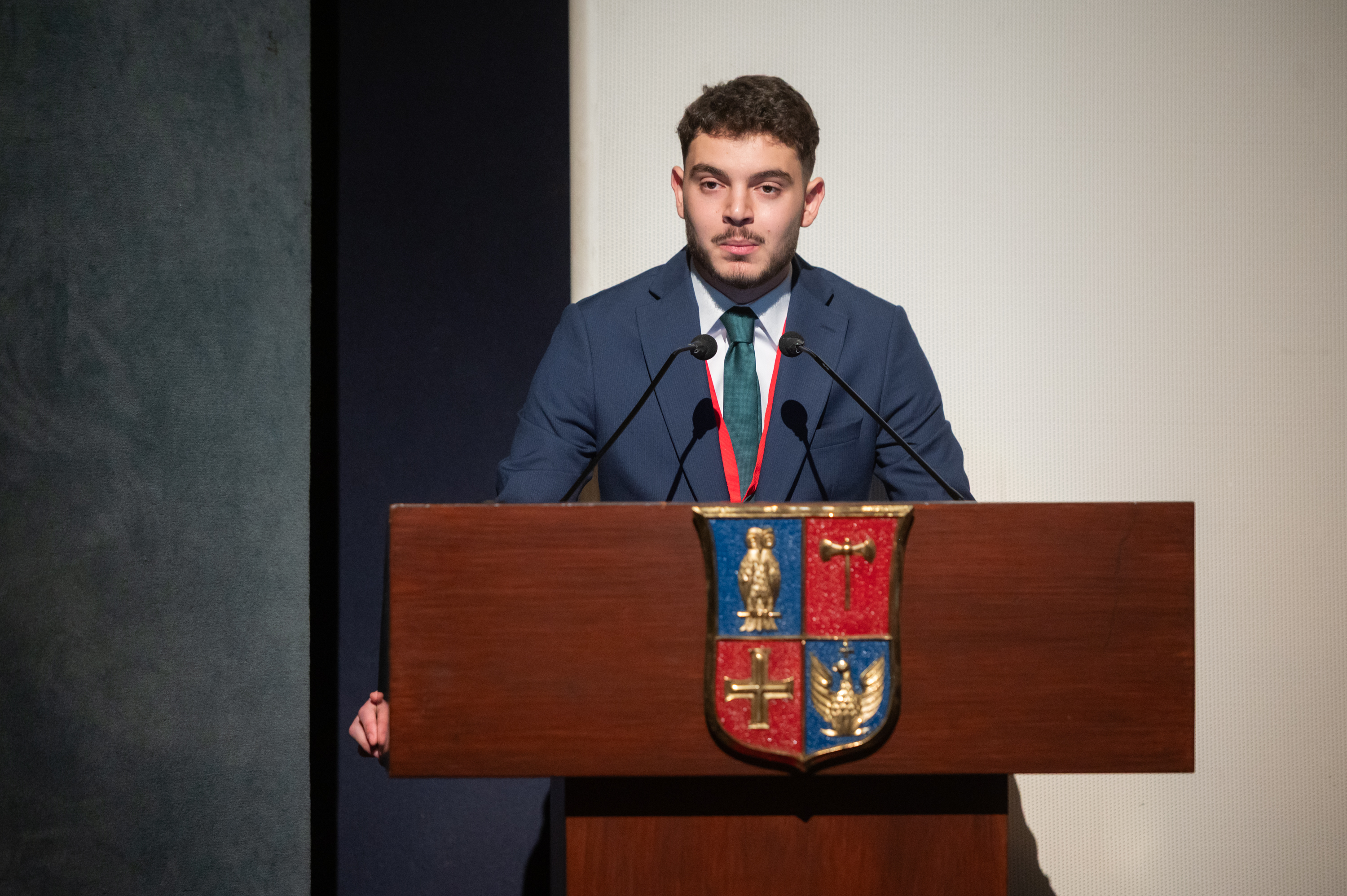
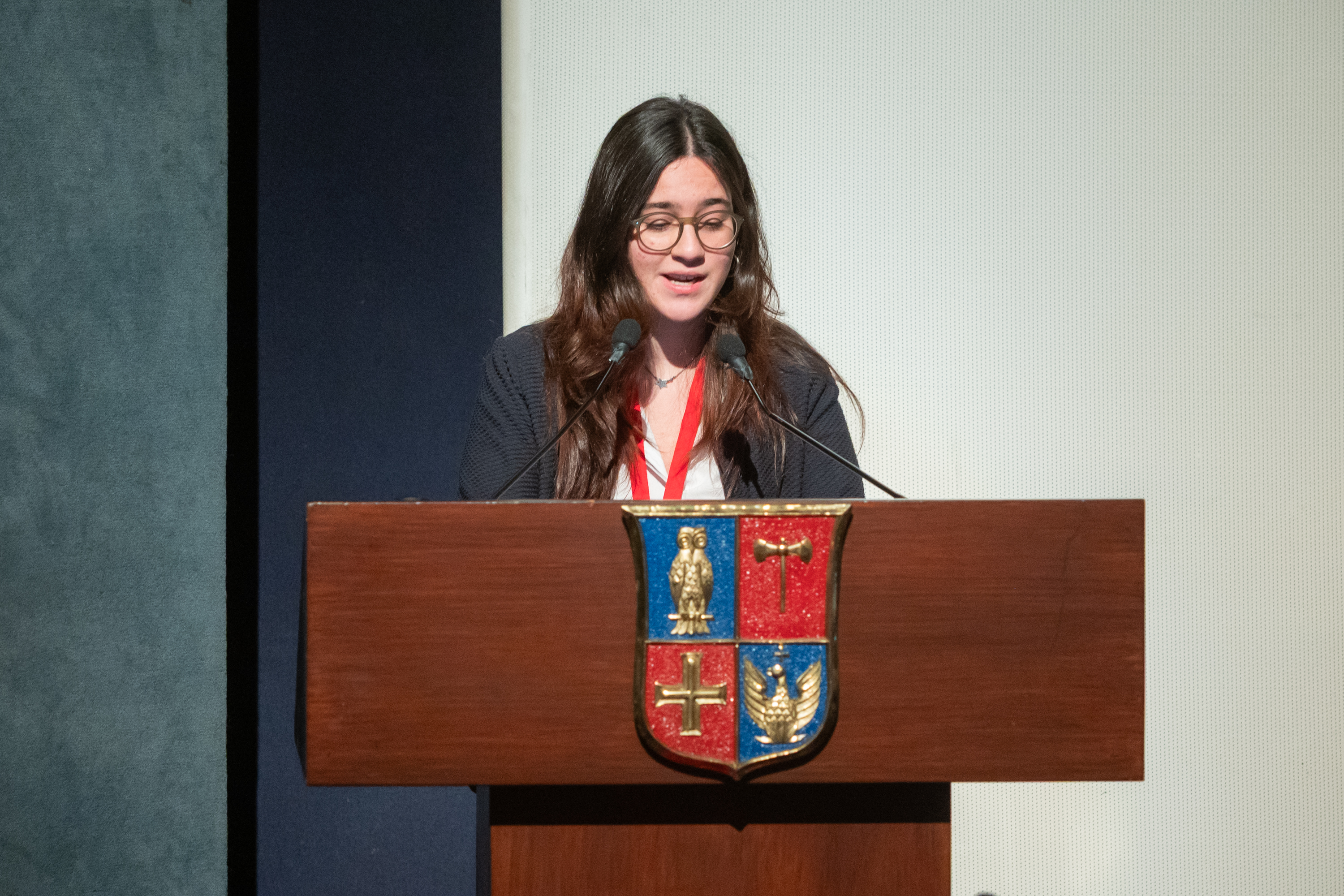
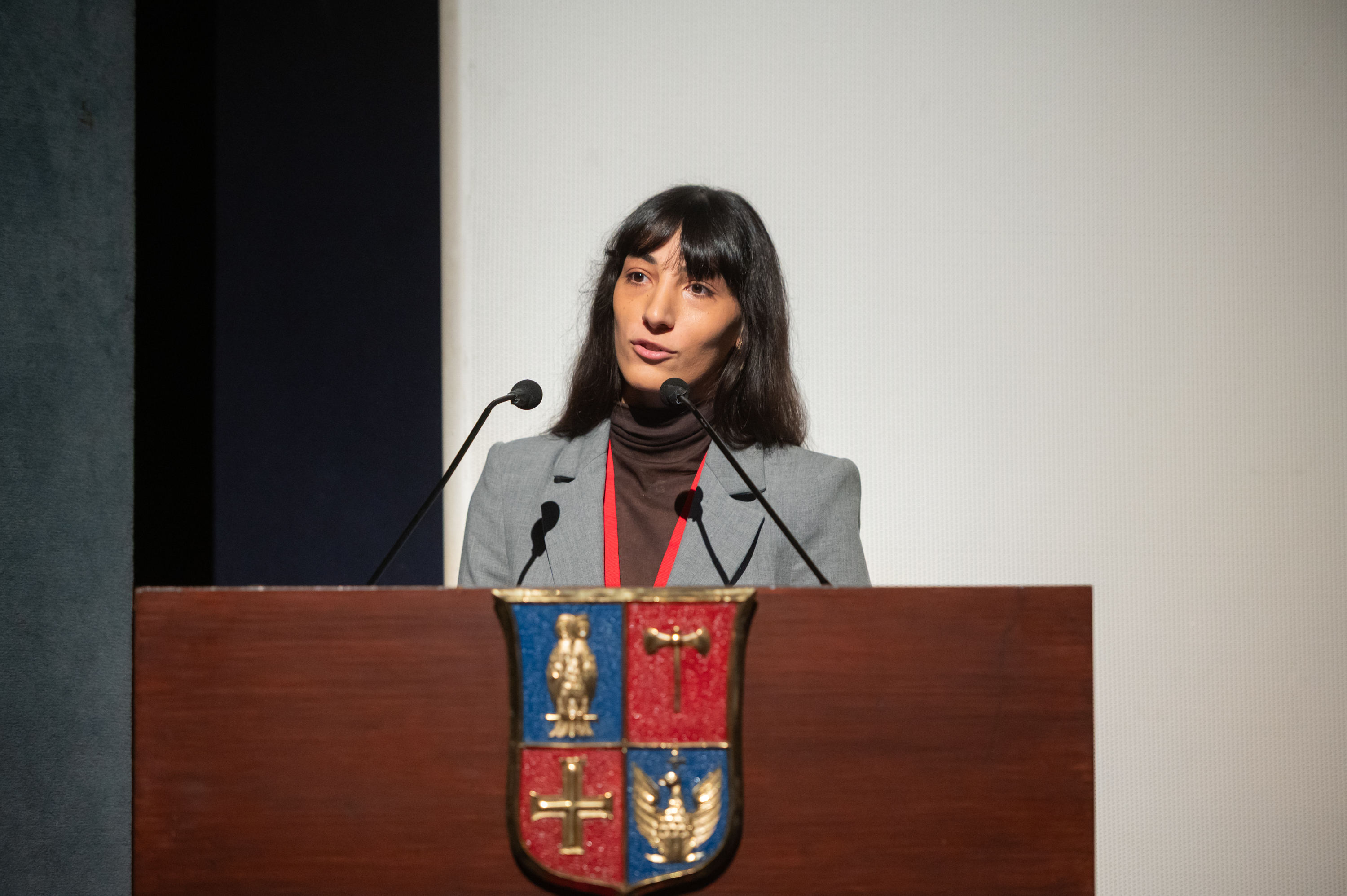
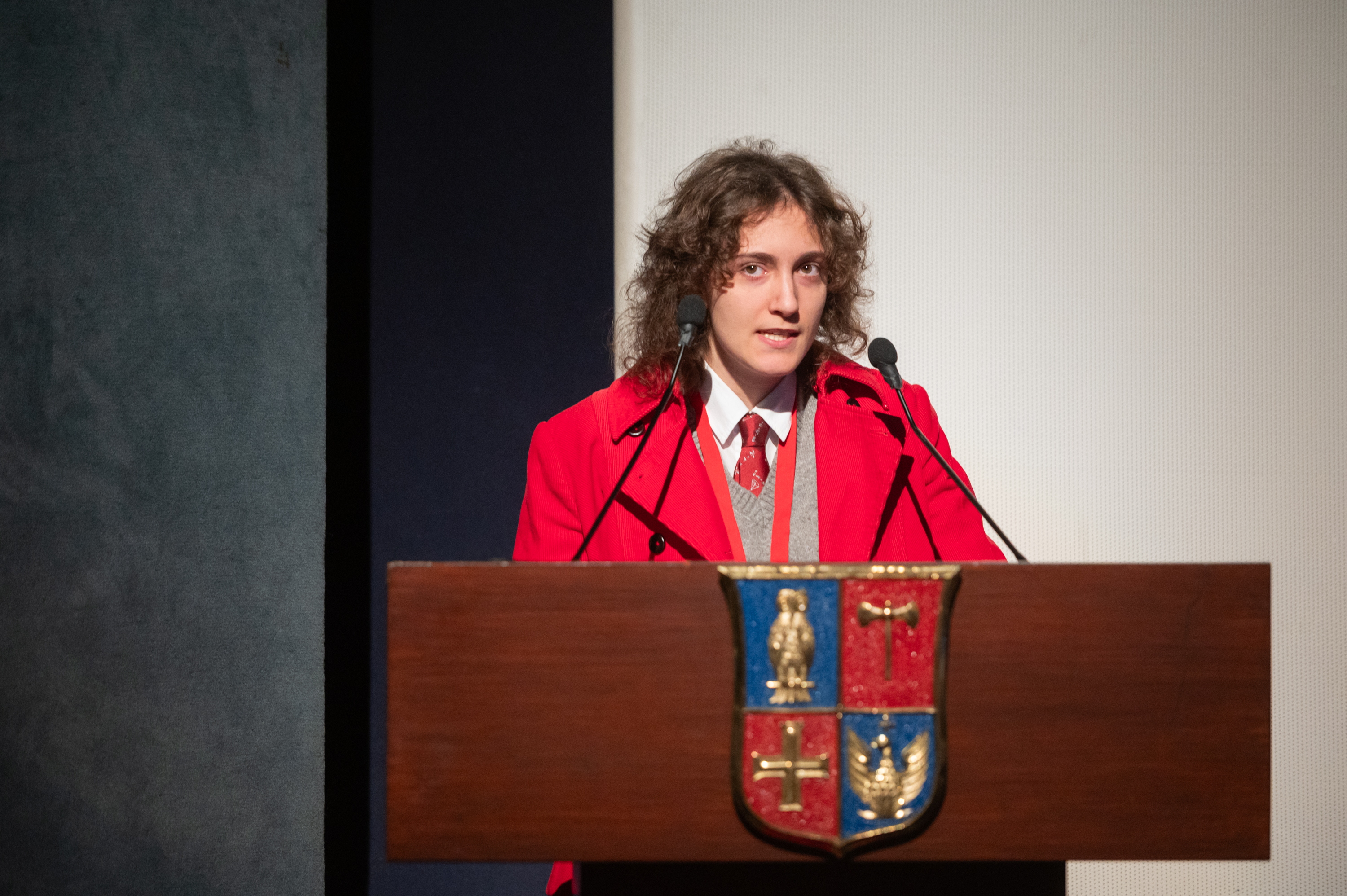
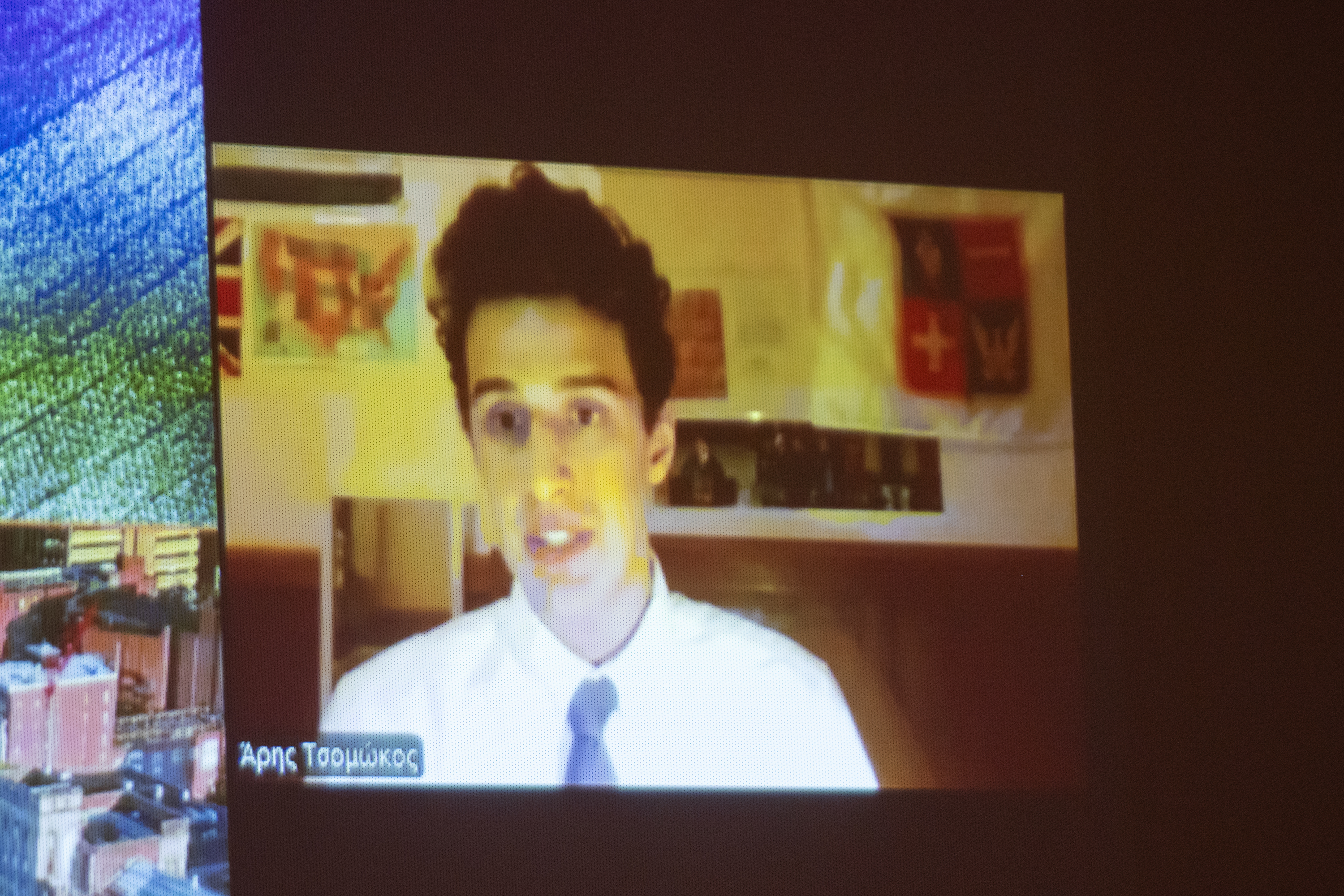
The conference provided a platform for 18 College alumni currently studying at universities in Greece and abroad to present topics related to their university preparation and studies. This process encouraged young alumni and university students to engage in research and educational initiatives, broaden their horizons through communication and collaboration with distinguished university professors who served as mentors, and strengthen bonds with both old and new alumni as well as with their School.
Junior High School and High School students from the School also attended the presentations, fostering a mutual exchange of ideas, knowledge, and suggestions between alumni and students. The goal of the conference is to create an "invisible university" and a group of Mentors of Science and Knowledge to expand the College's intellectual horizons.
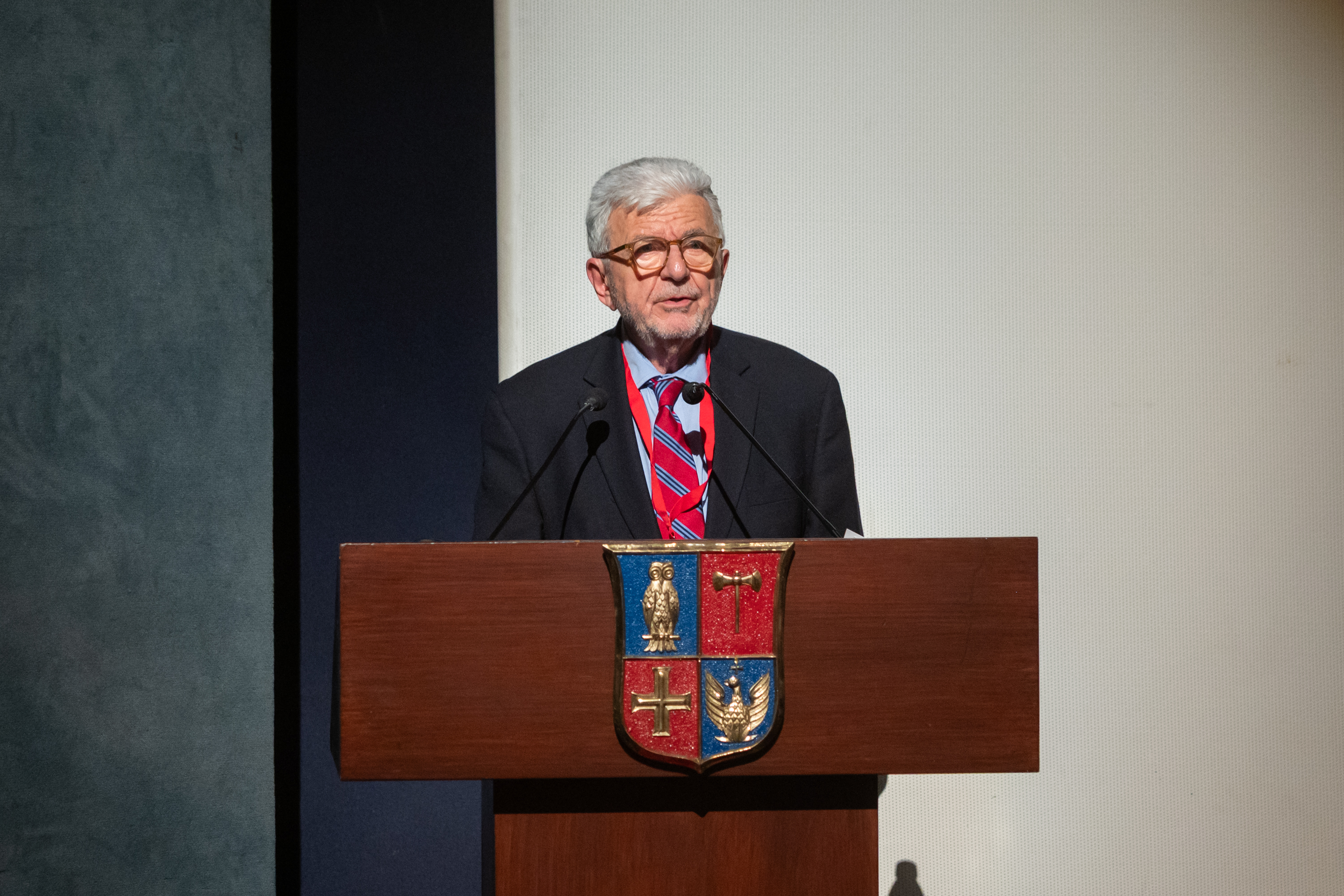
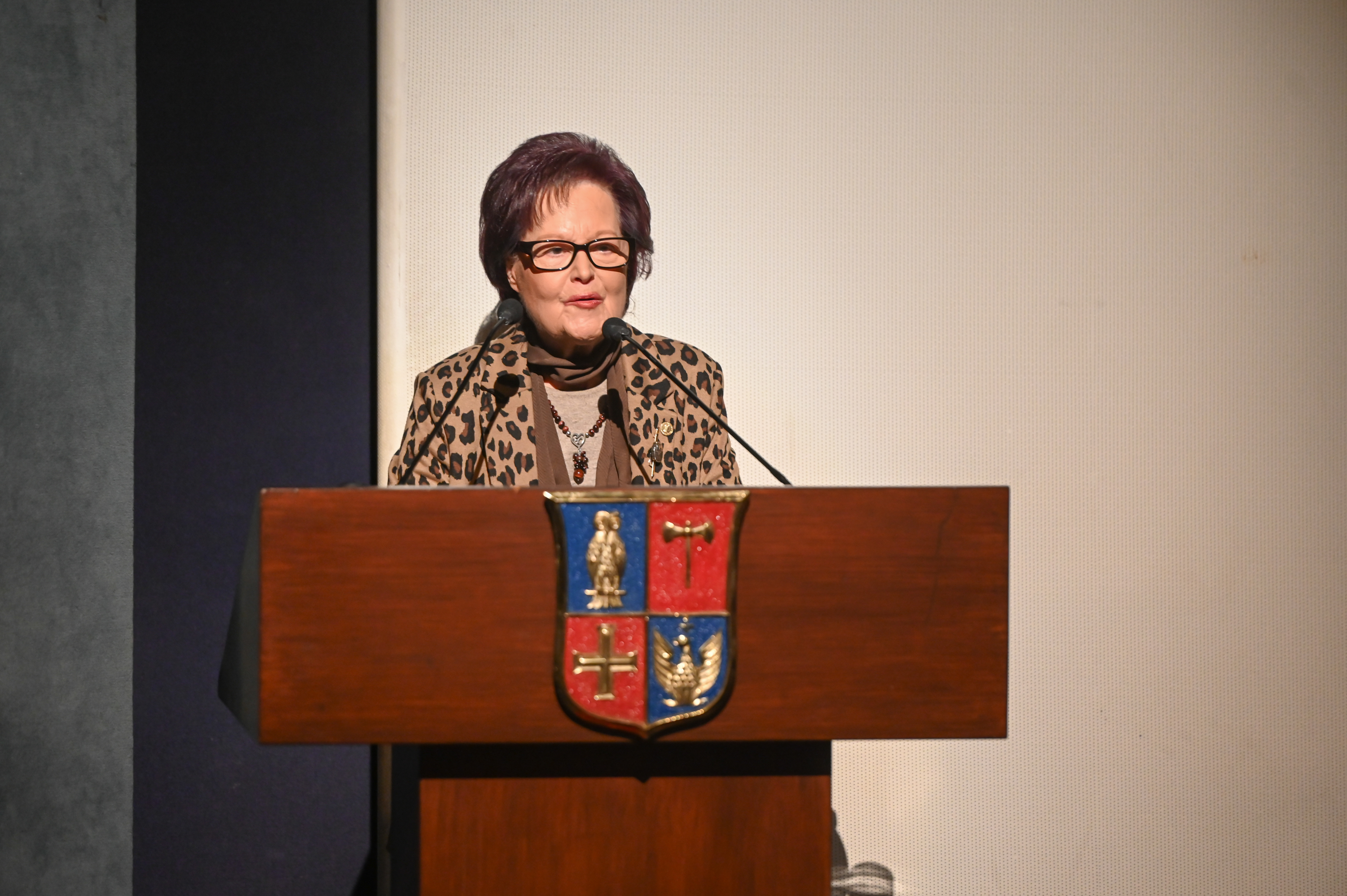
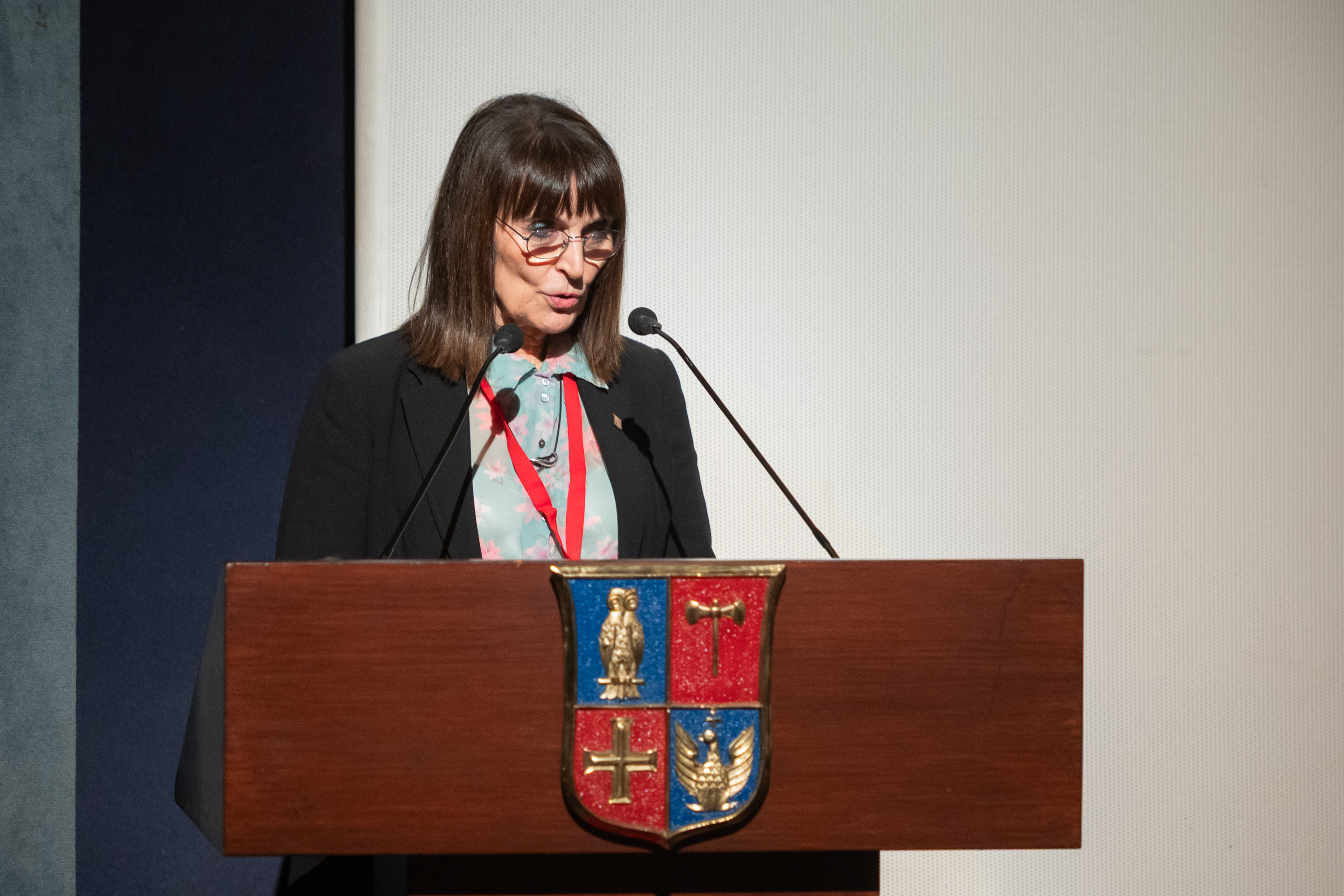
The event opened with a welcoming speech by Mr. Alexis Phylactopoulos '65, Chairman of the Hellenic-American Educational Foundation Board of Directors. Quoting the "father" of the College, Stephanos Delta, he emphasized that the College is a school "for the leading class," not only in politics but also in knowledge, science, and culture, having produced thousands of alumni who hold leadership positions and excel in many fields. This tradition is continued by younger alumni, who achieve distinction both in Greece and abroad.
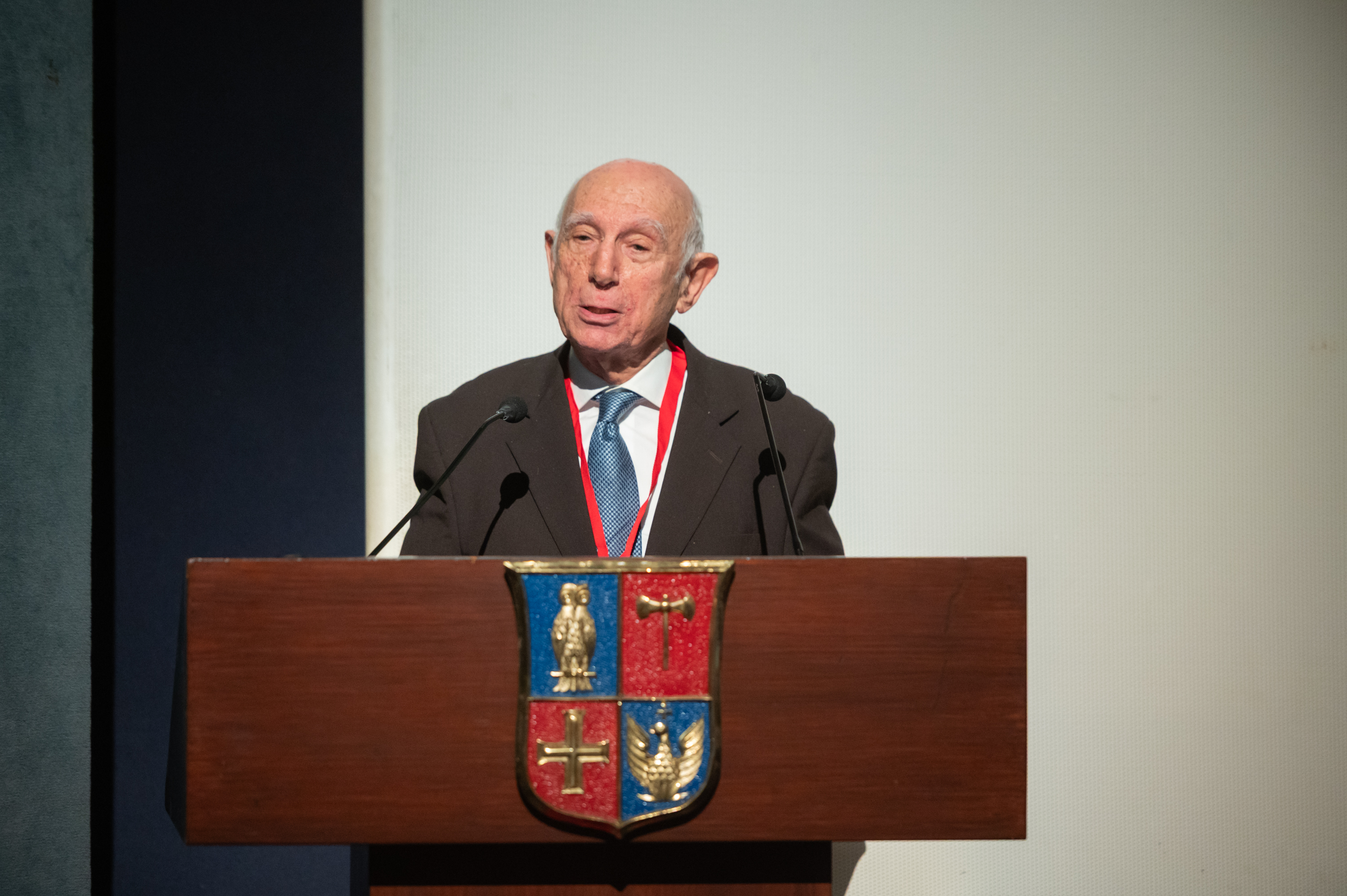
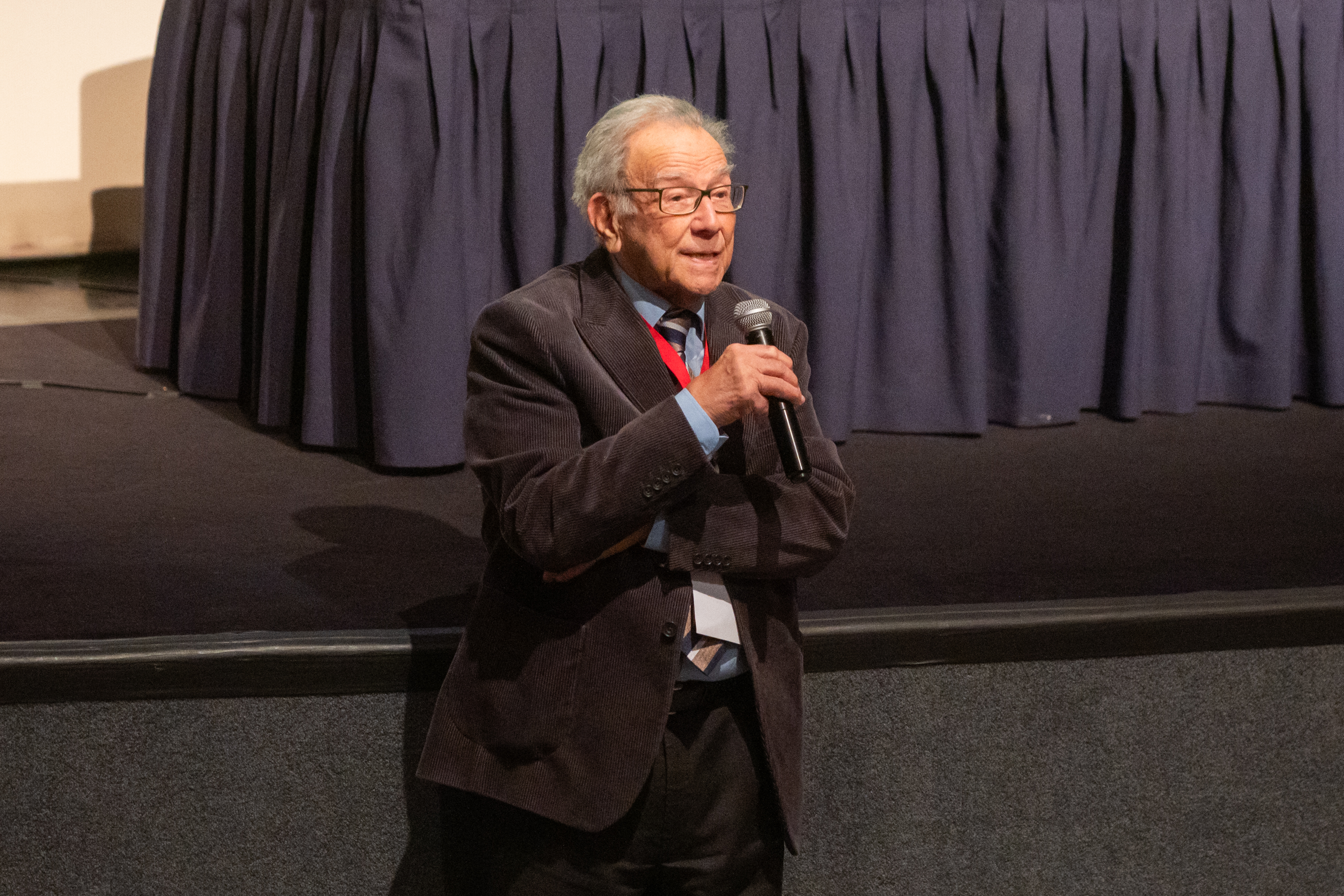
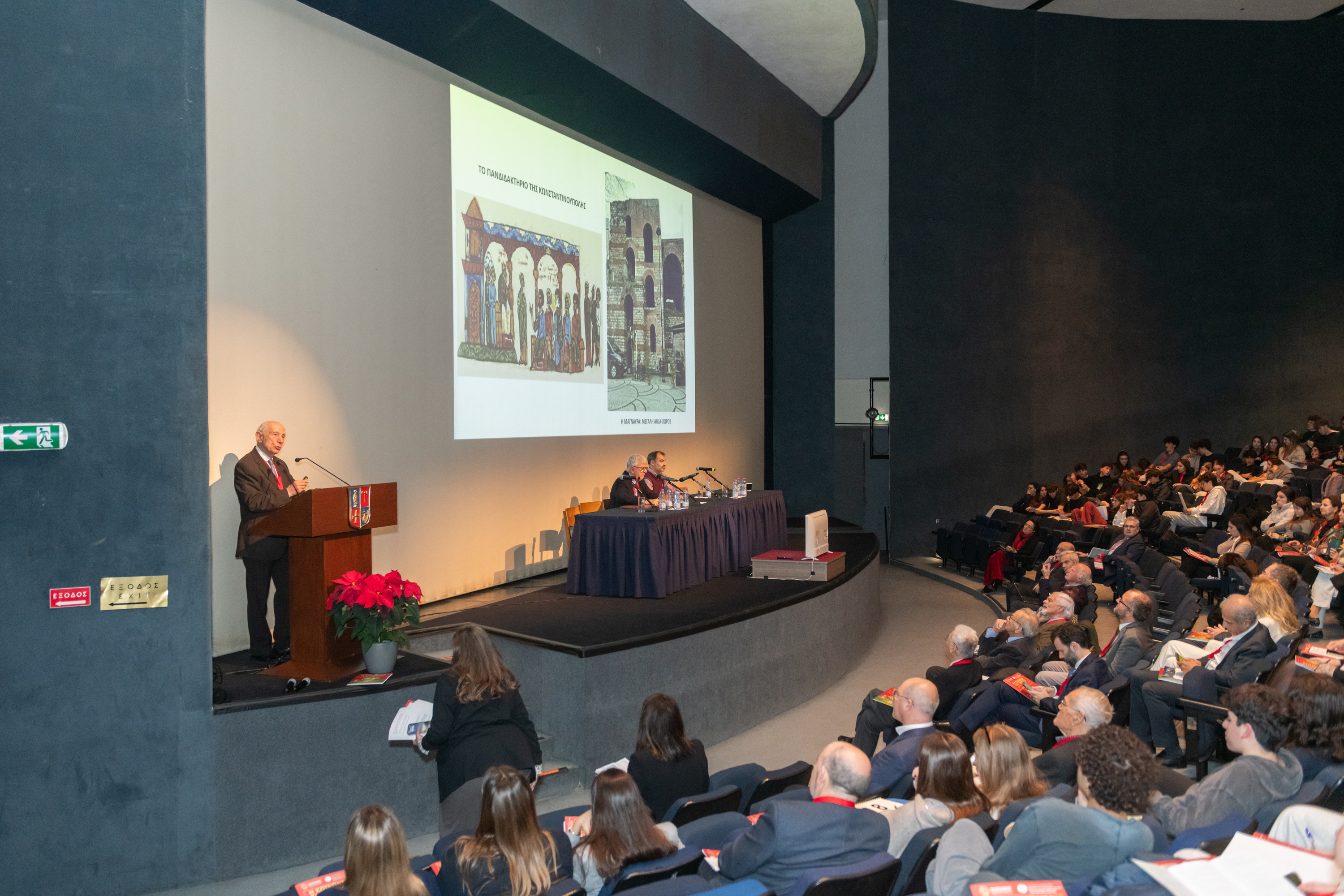
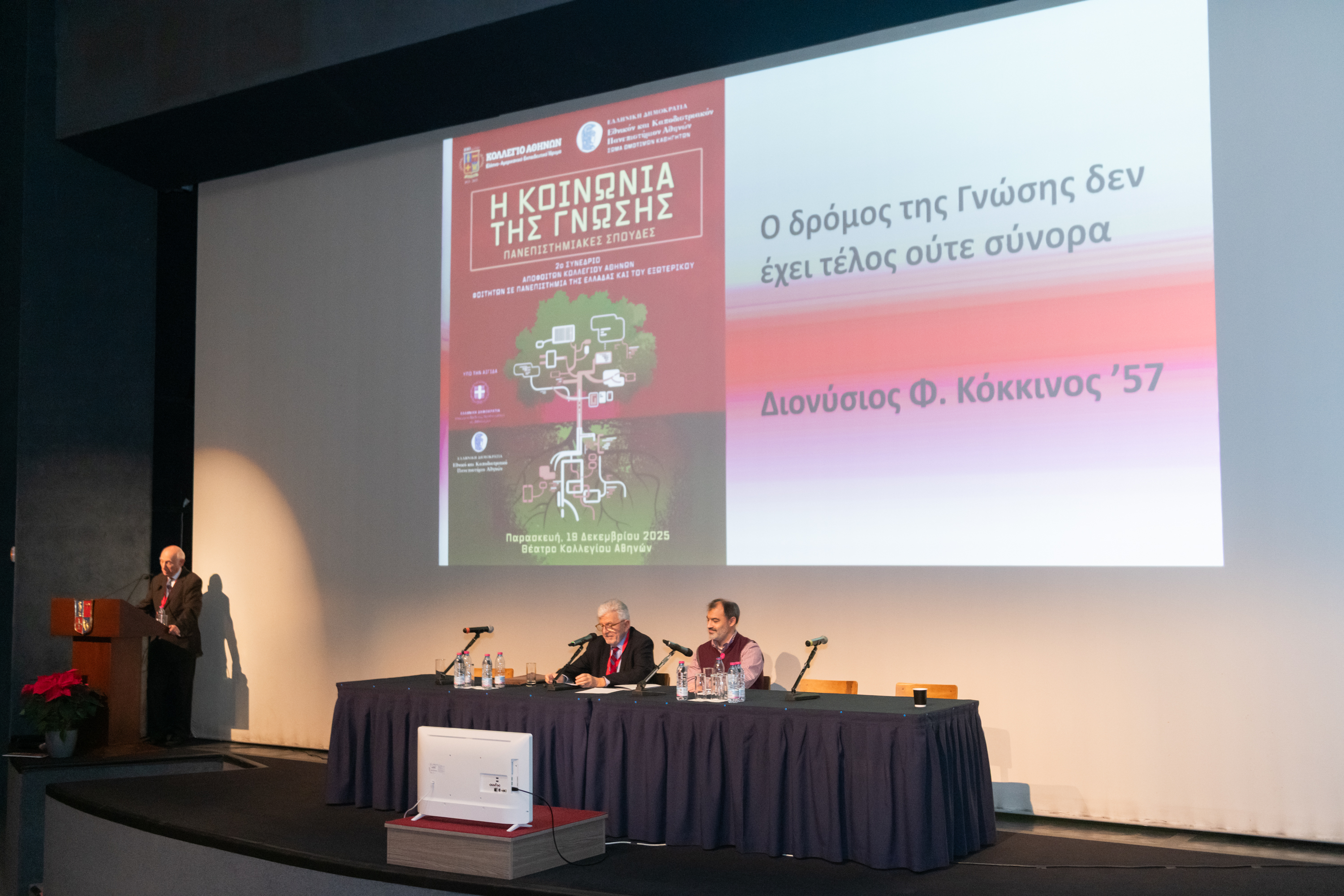
The keynote speech was delivered by Dionysios F. Kokkinos '57, Professor Emeritus of Cardiology at the School of Medicine, NKUA, member of the Hellenic-American Educational Foundation, and Chairman of the Organizing and Scientific Committee. In his speech, "The Road to Knowledge Has No Limits and No End," he emphasized that the education of scientists, teachers, and artists is a lifelong pursuit. Referring to students, he noted that attending a prestigious university, whether in Greece or abroad, opens a window to the world that will profoundly guide them in their future paths. He also spoke about excellence, arguing that it should be considered a general principle for life and achievement, "an ideal" that accompanies people in all aspects of life, not merely a professional or scientific term.
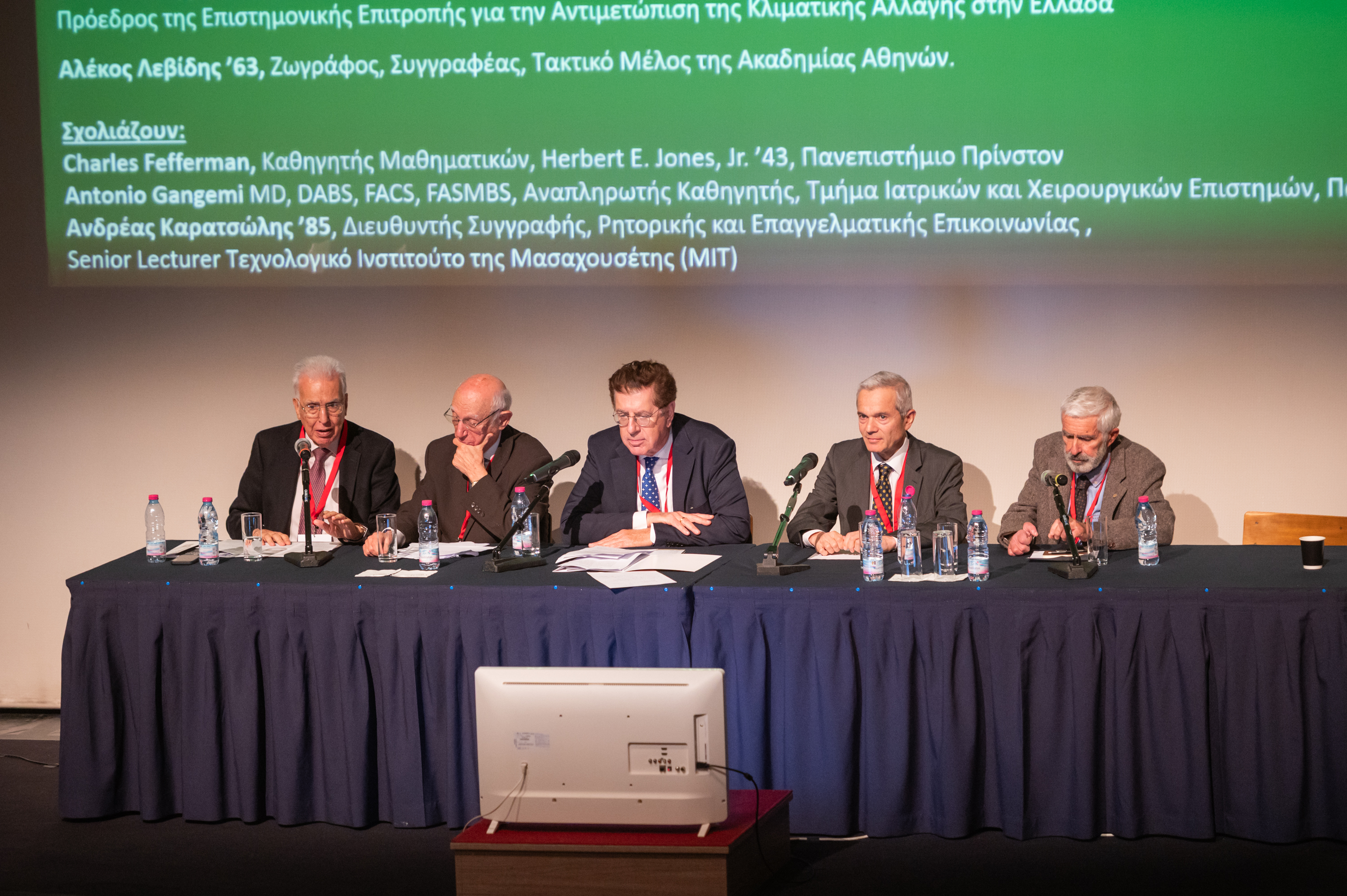
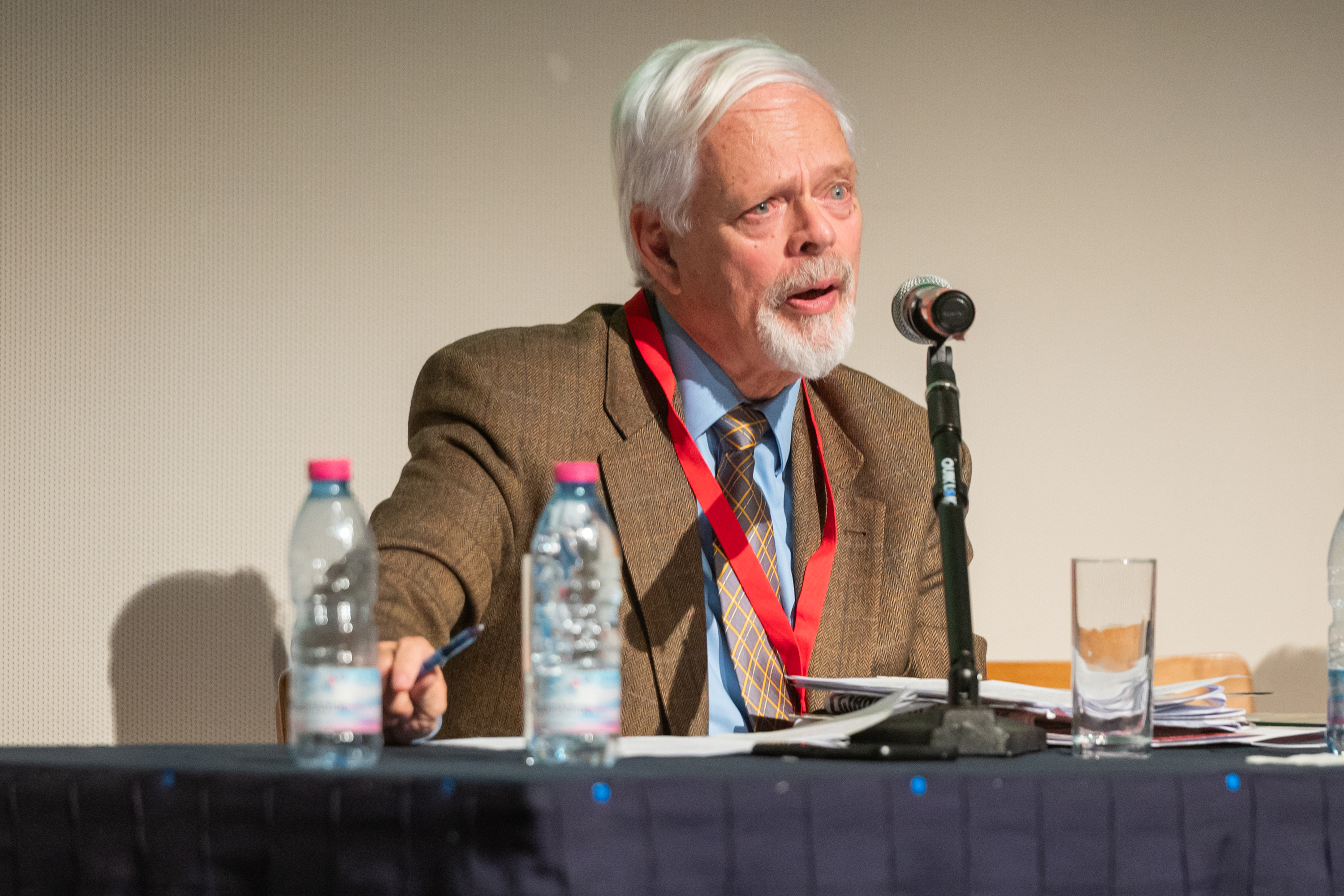
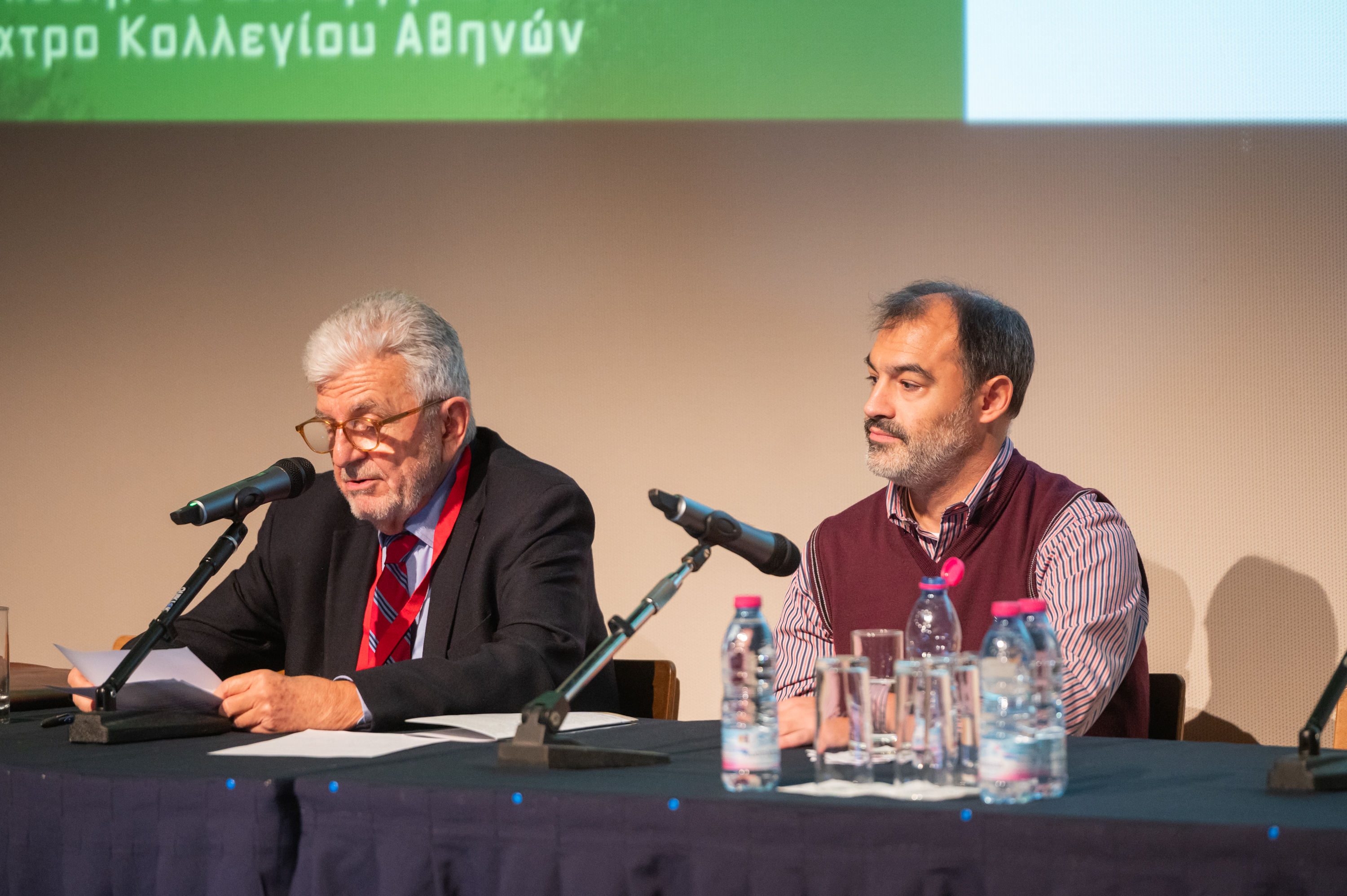
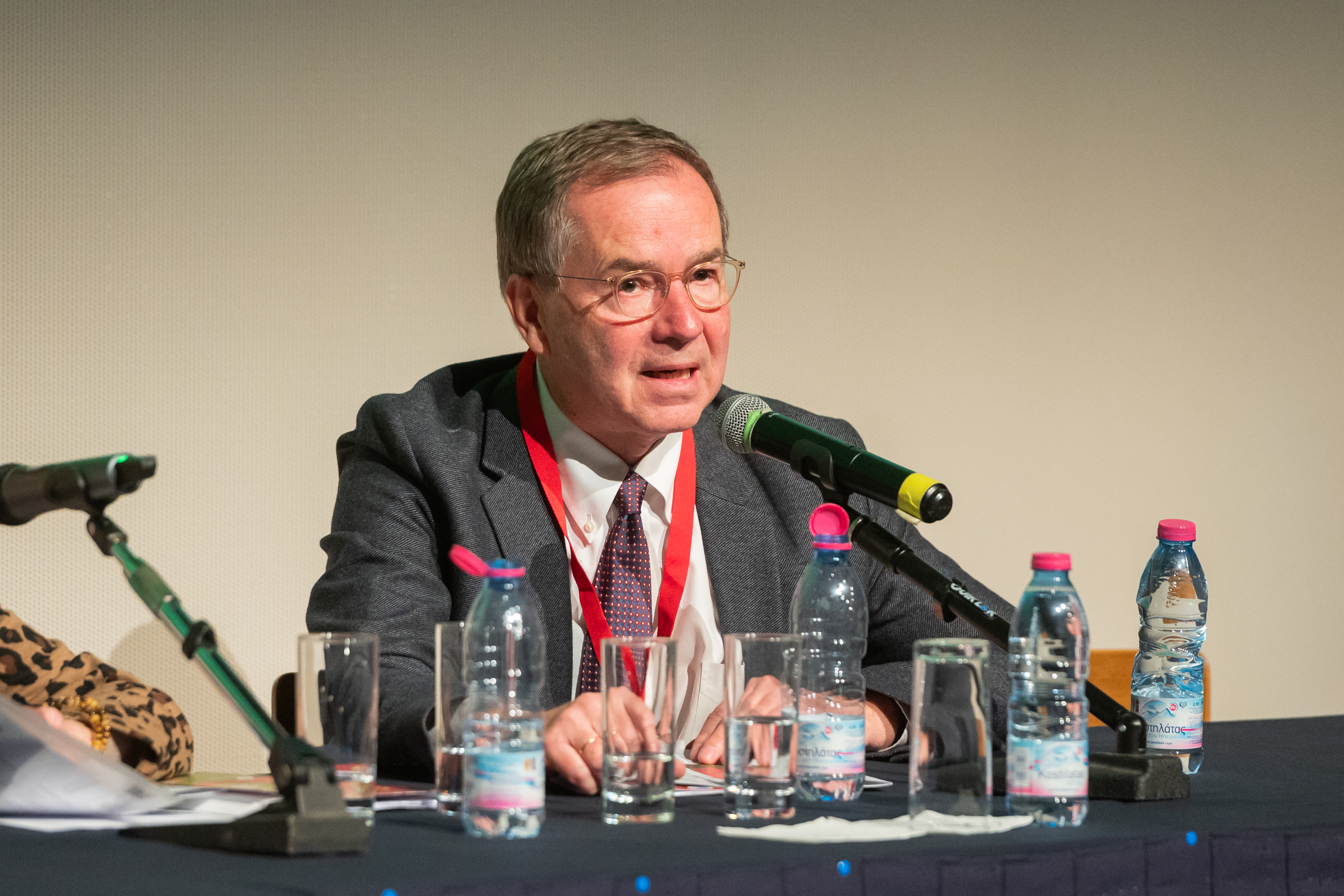
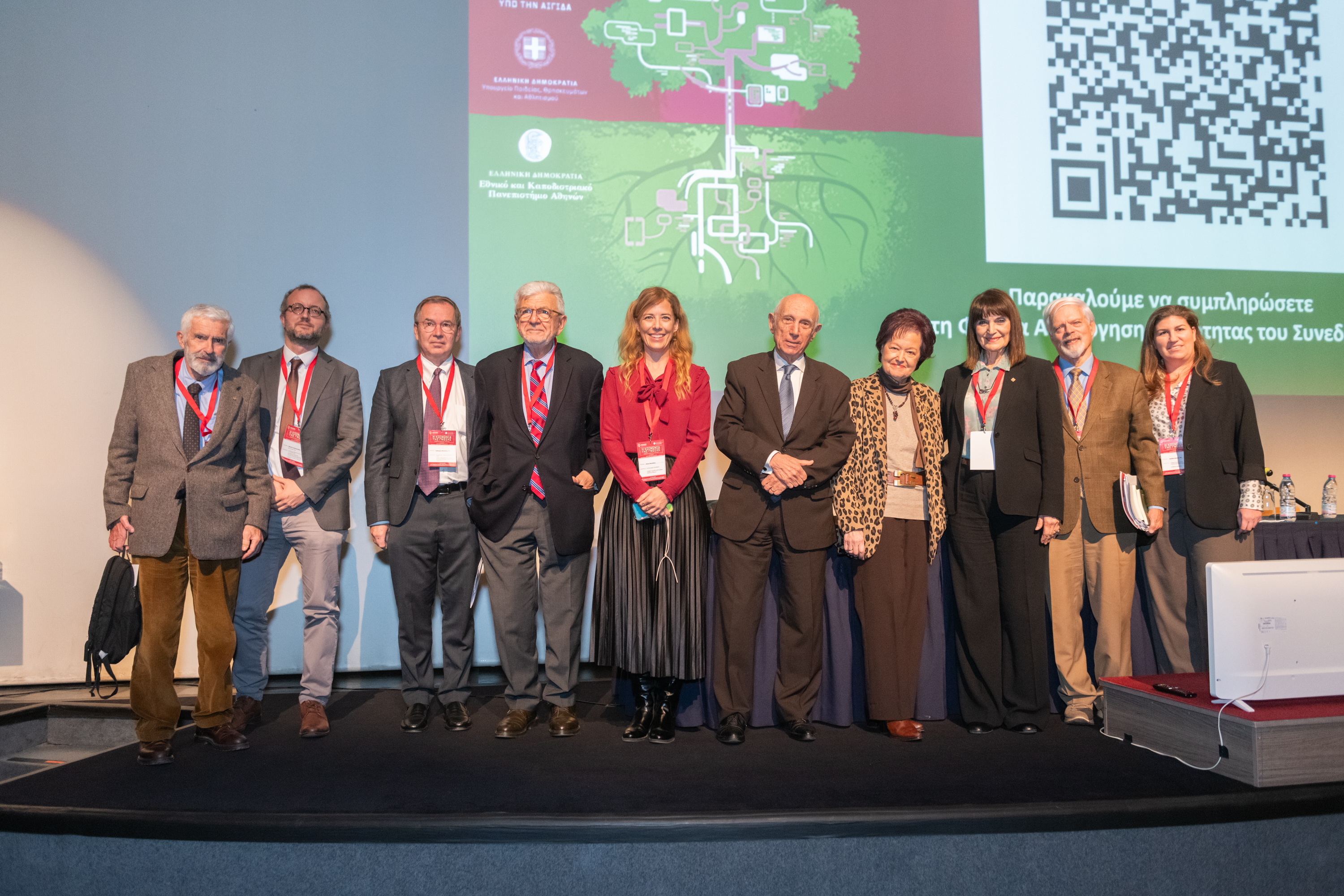
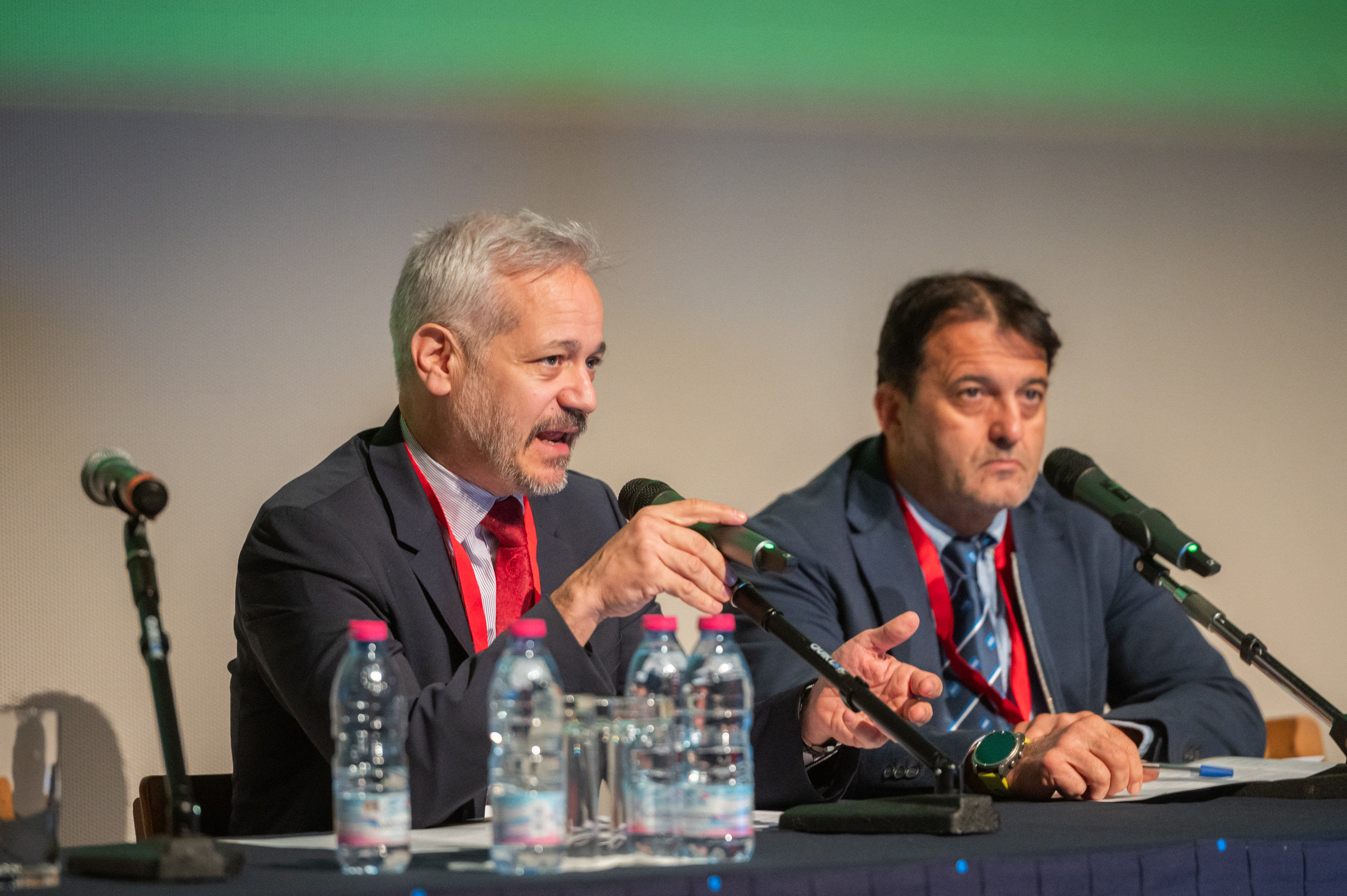
Following the keynote, a round table discussion on "Higher Education Today in the Face of Artificial Intelligence" brought together College alumni, distinguished university professors, and members of the Academy of Athens.
Professor Nikiforos Diamantouros '61, President of the Academy of Athens, assessed that the subject of the conference is the significant changes in education brought about by new technologies and their impact on the role of teachers, who must adapt to completely different models of knowledge transfer.
Professor Diomidis Spinellis '85 highlighted the incredible pace at which Artificial Intelligence is transforming the way we work, particularly in education. He stressed that we now need less memorization of knowledge and more critical thinking, along with the ability to effectively guide AI models to assist us.
Professor Costas Synolakis '75, also a Member of the Academy of Athens, addressed the challenges posed by Artificial Intelligence across all disciplines. In education specifically, he emphasized that teachers will increasingly act as mentors, redefining goals, coordinating instruction, and ensuring academic quality.
The distinguished painter and Academy member, Mr. Alekos Levidis '63, discussed the impact of Artificial Intelligence on the arts. As he argued, Artificial Intelligence can be a very useful tool for storing knowledge and saving time, but it lacks consciousness and freedom of thought to generate new ideas or styles, and it therefore cannot replace human artists.