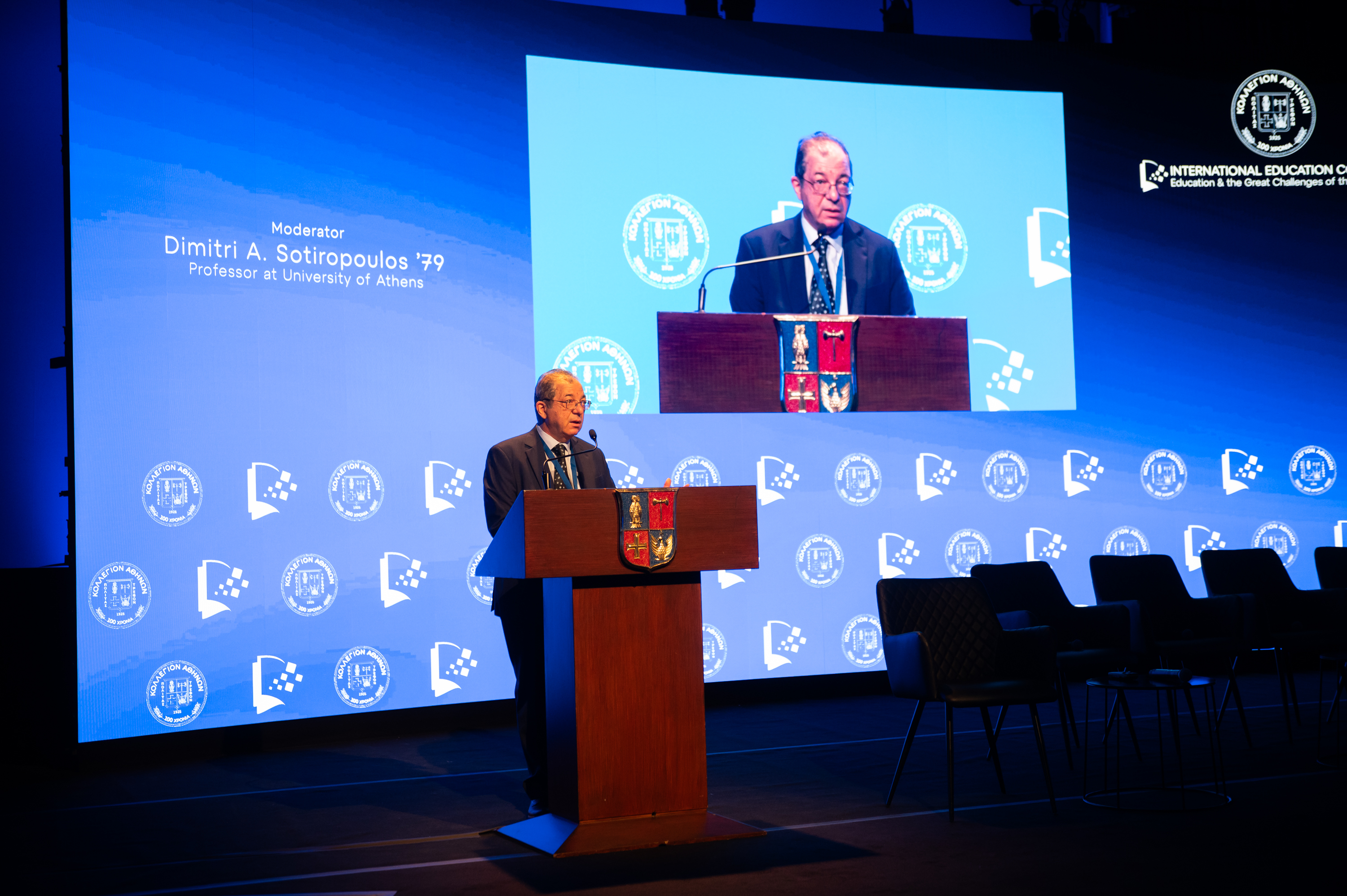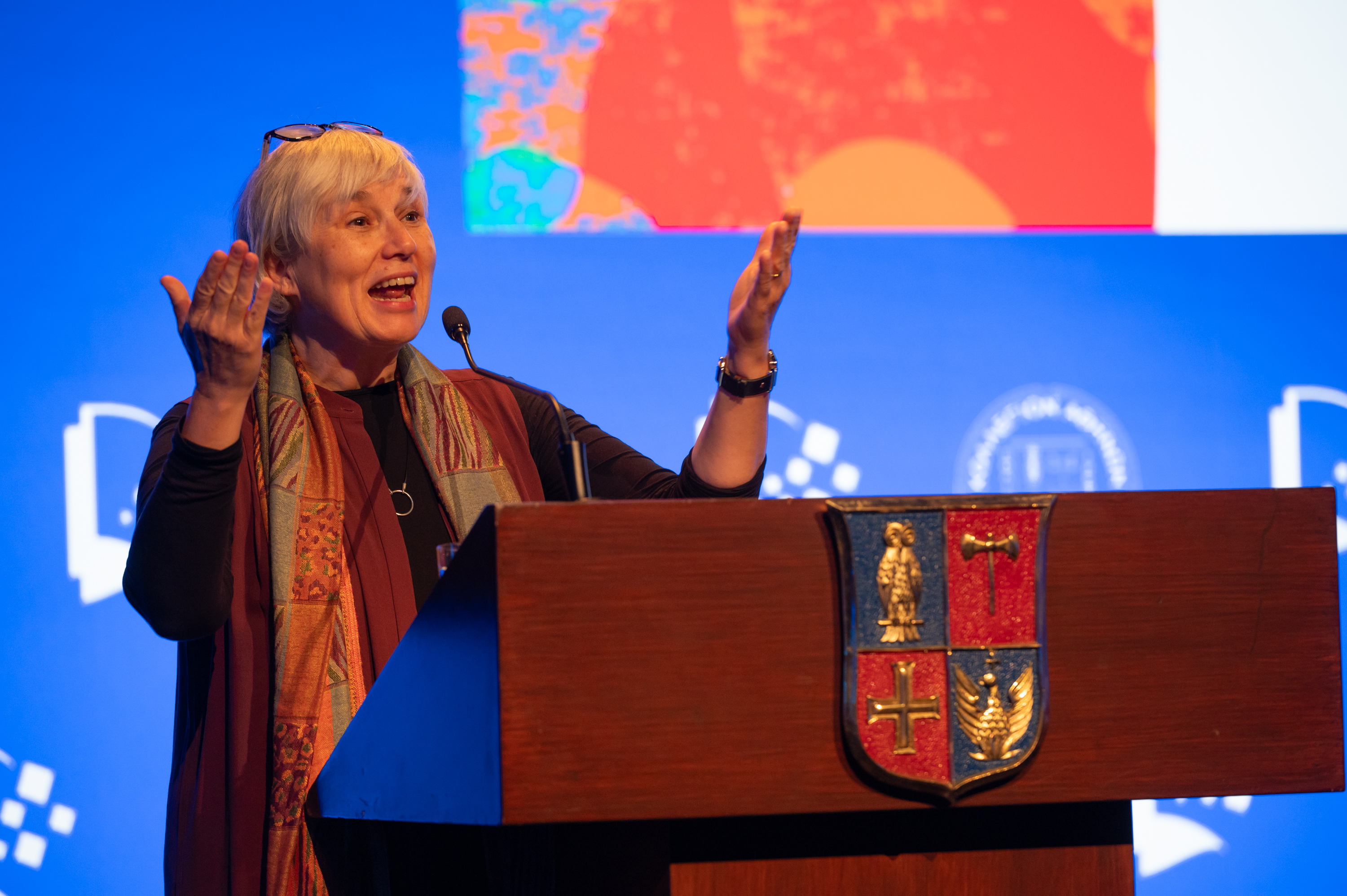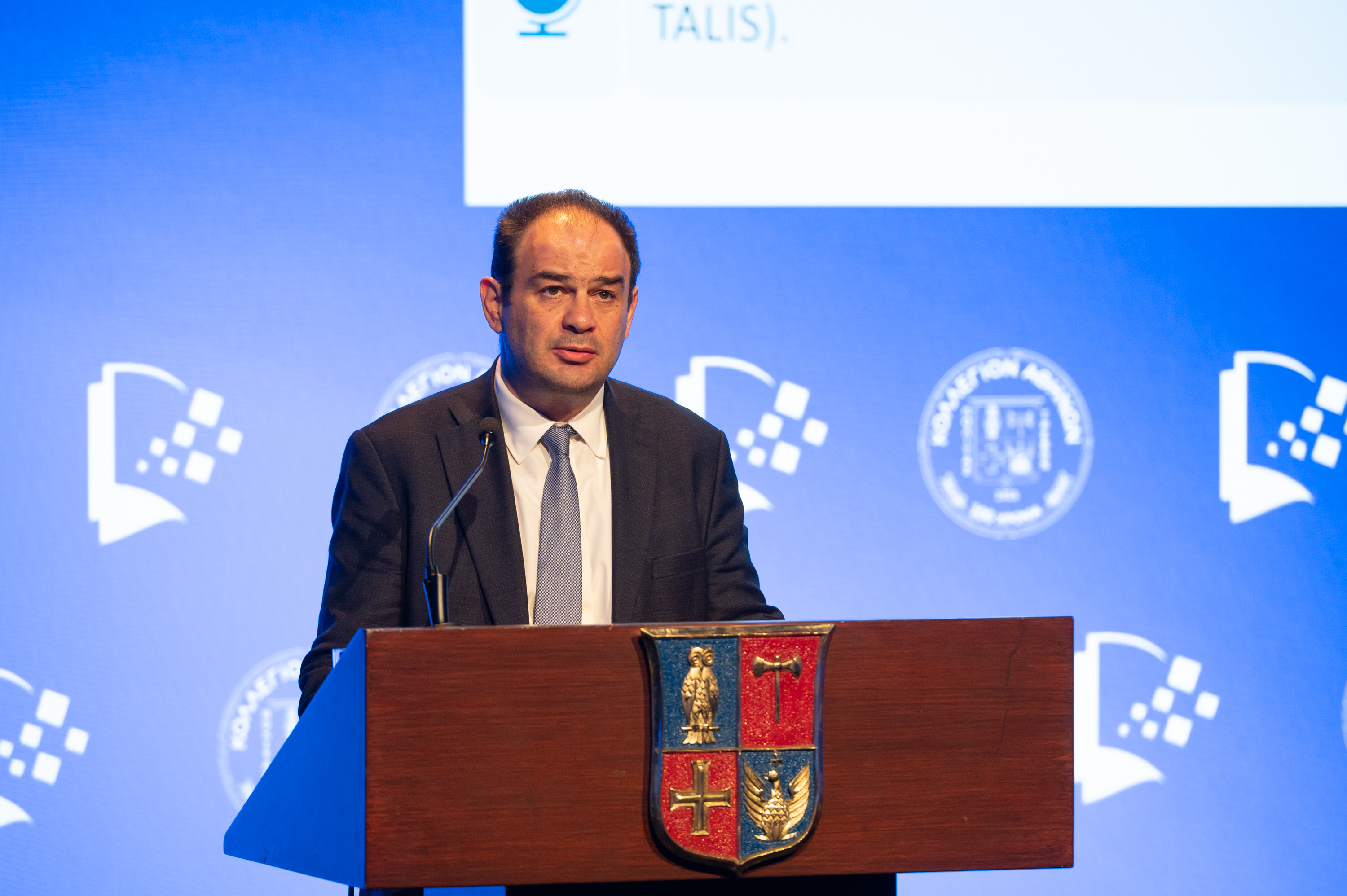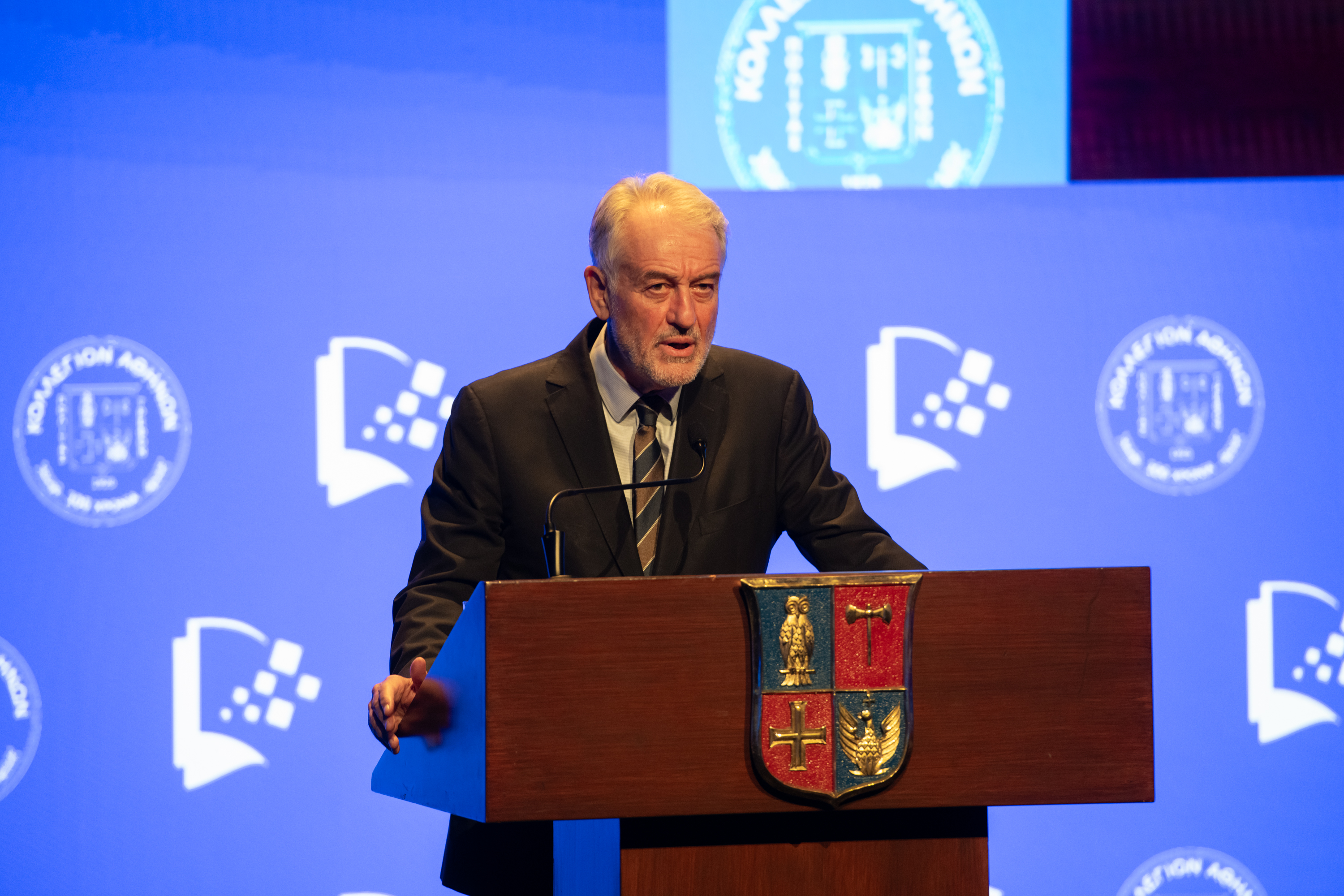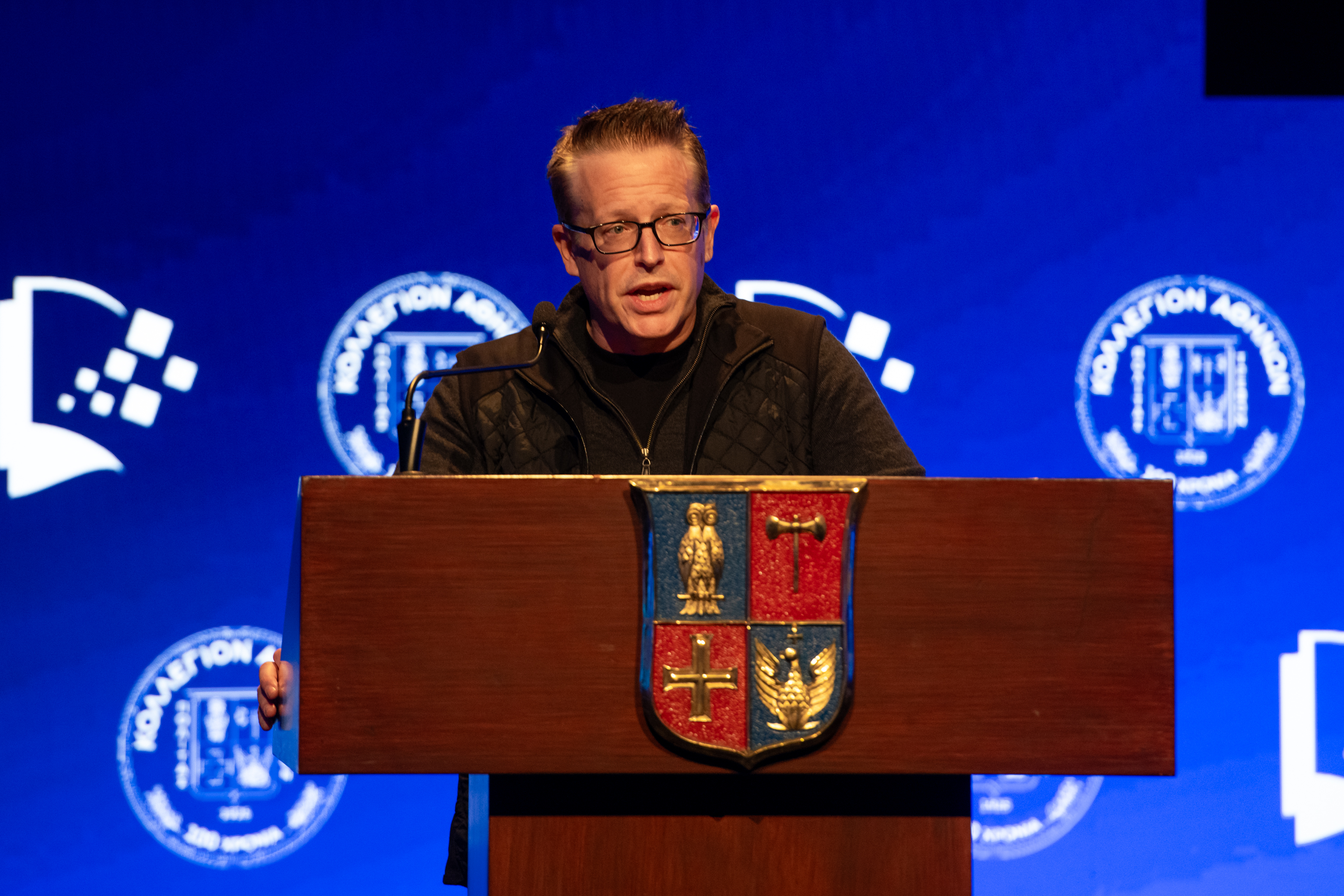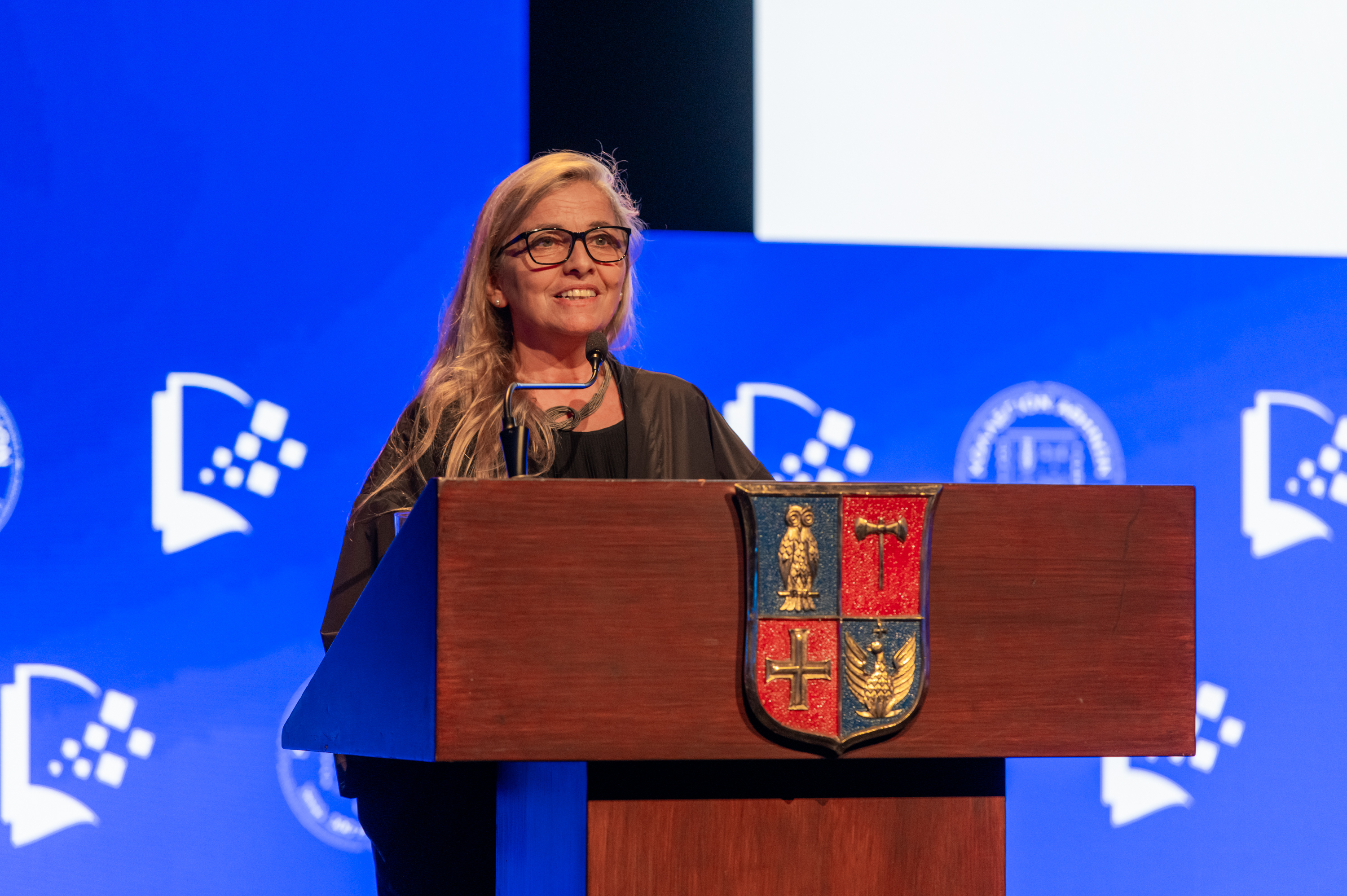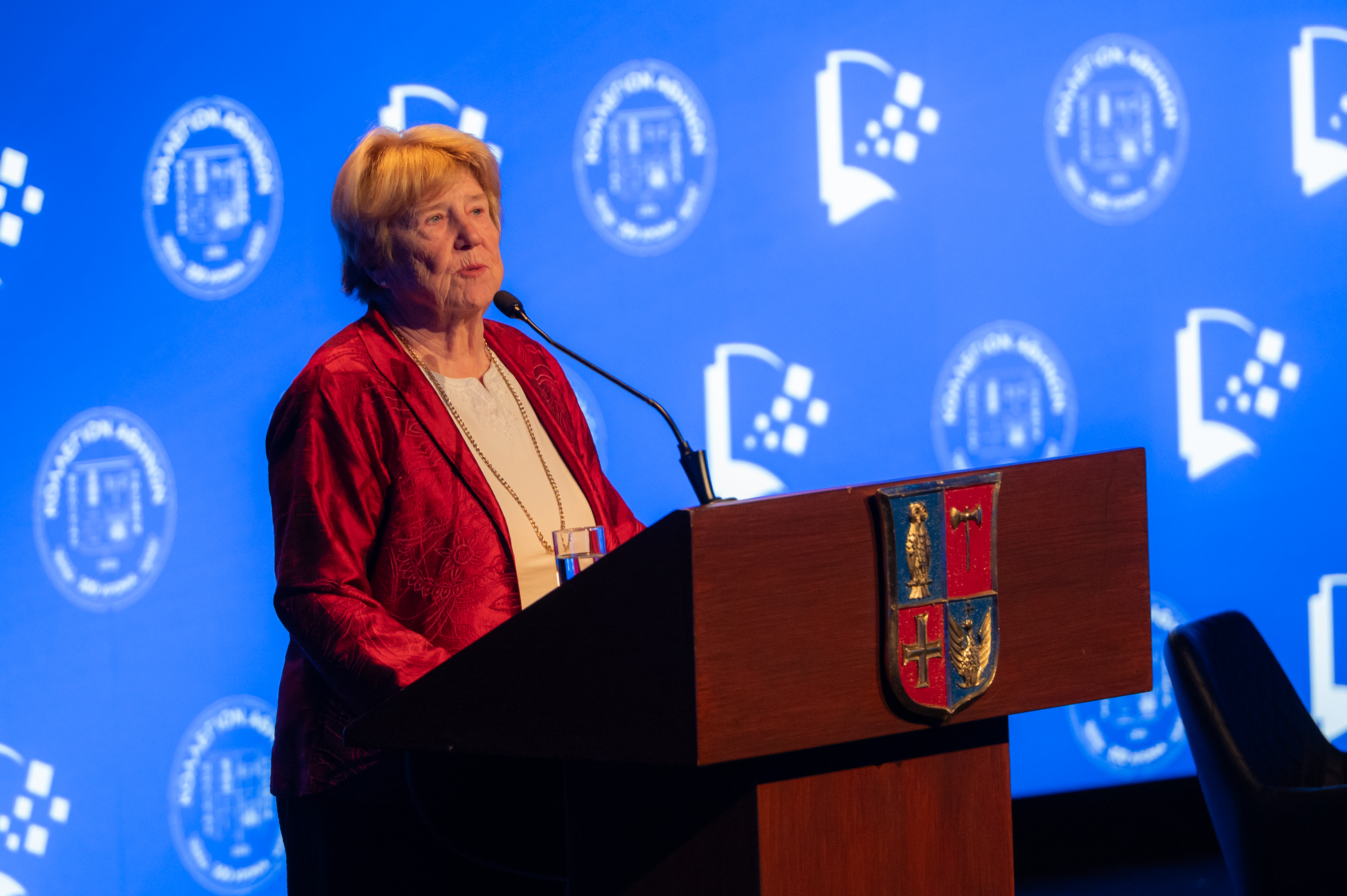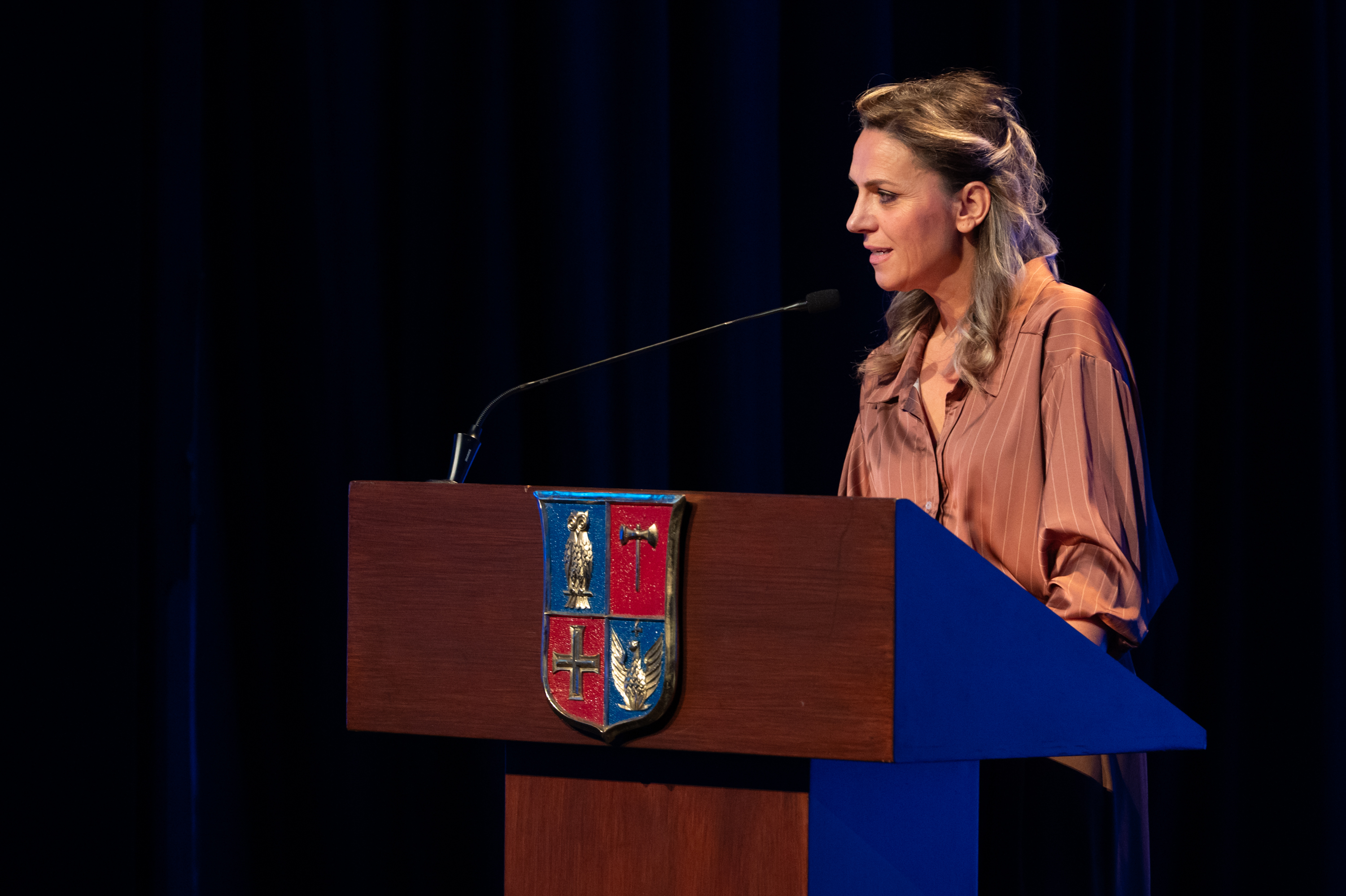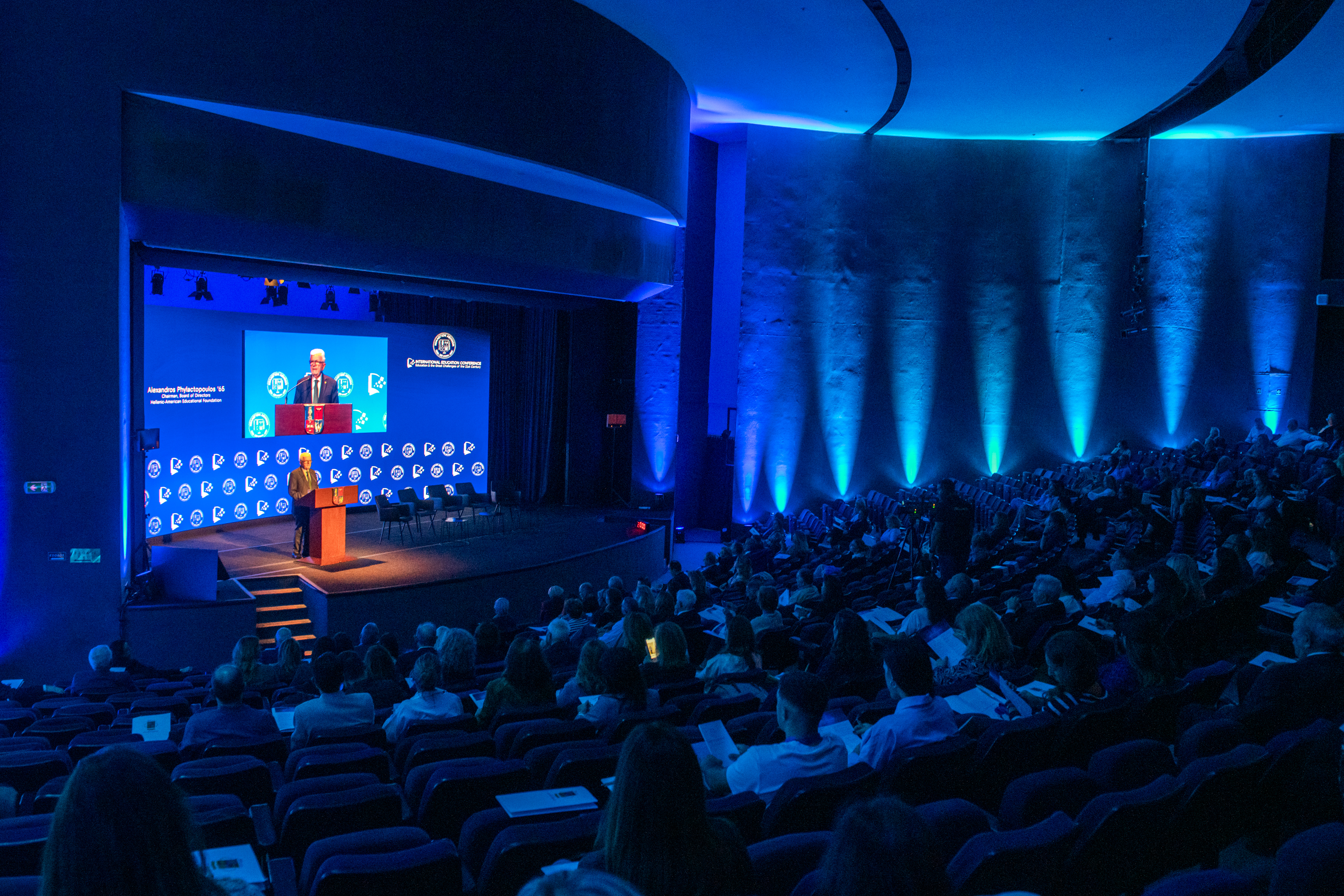
International Education Conference by Athens College
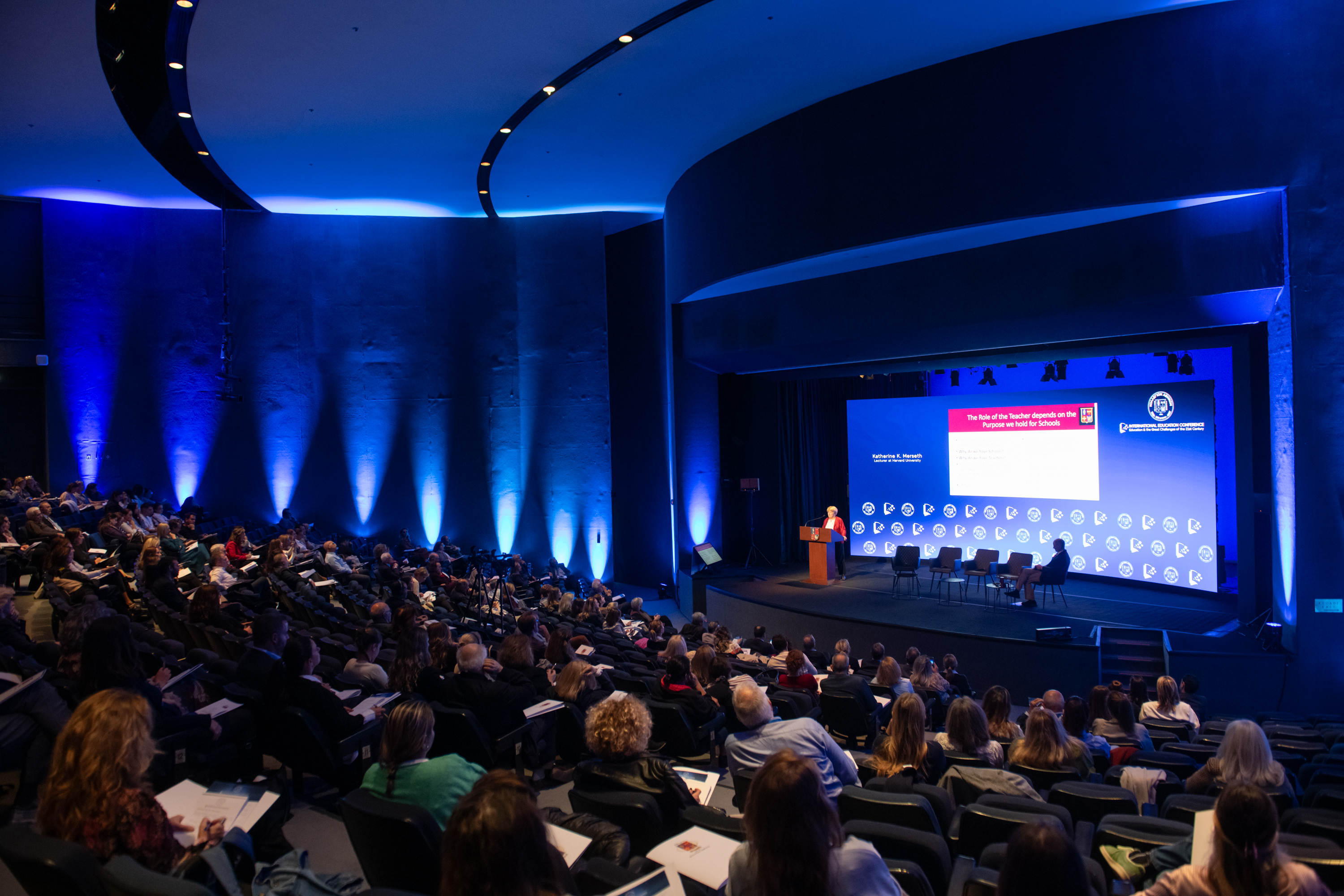
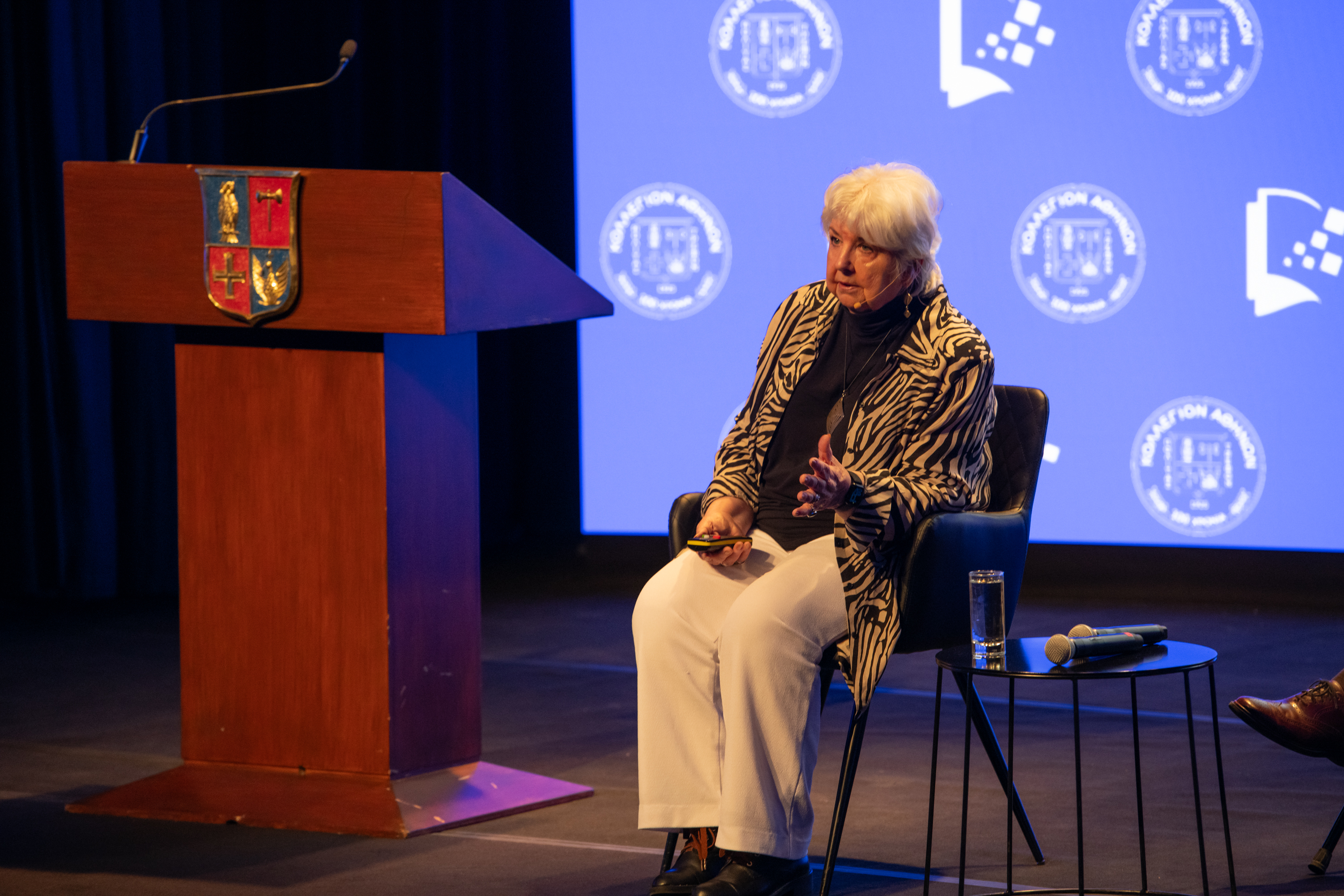
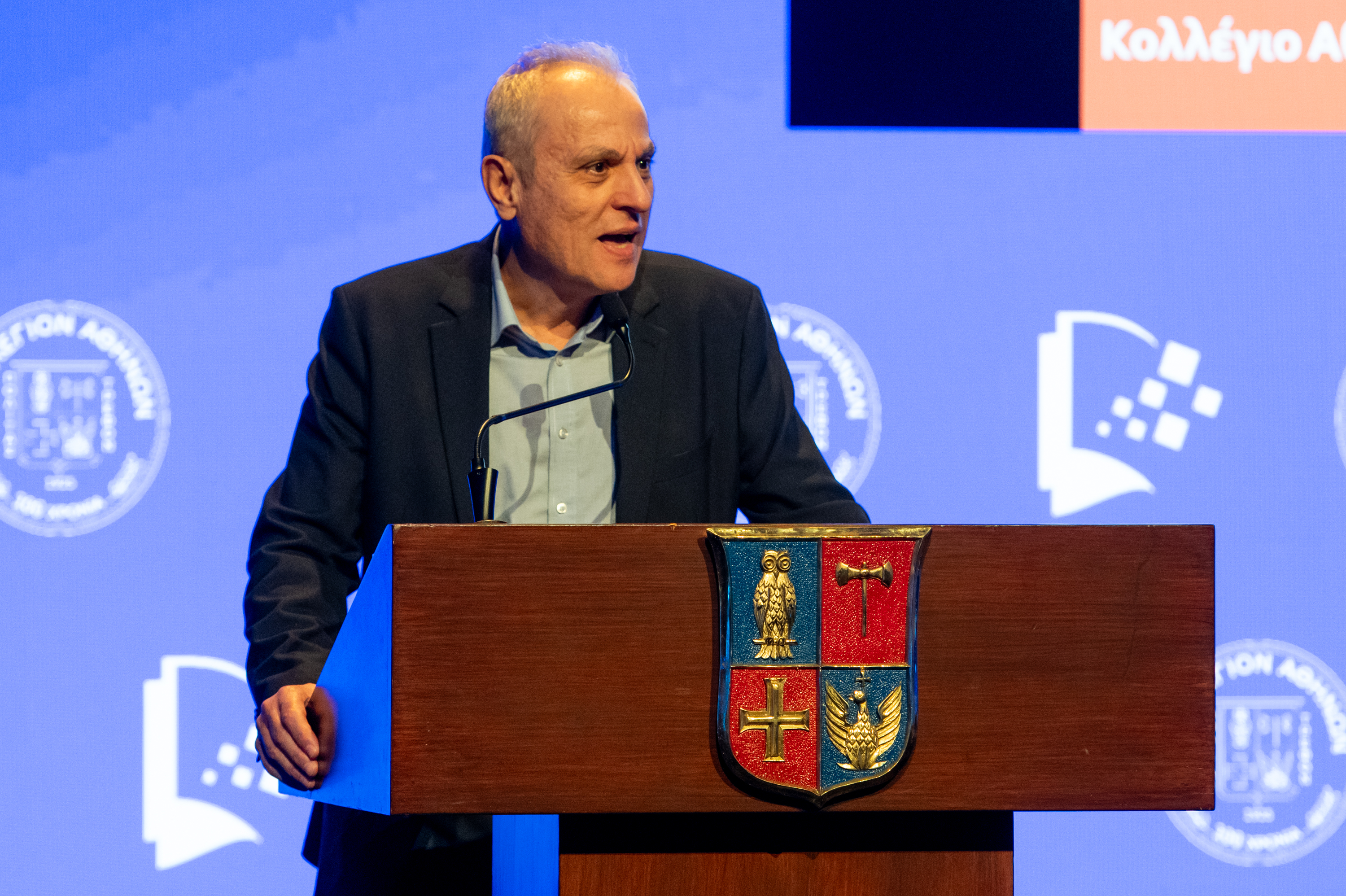
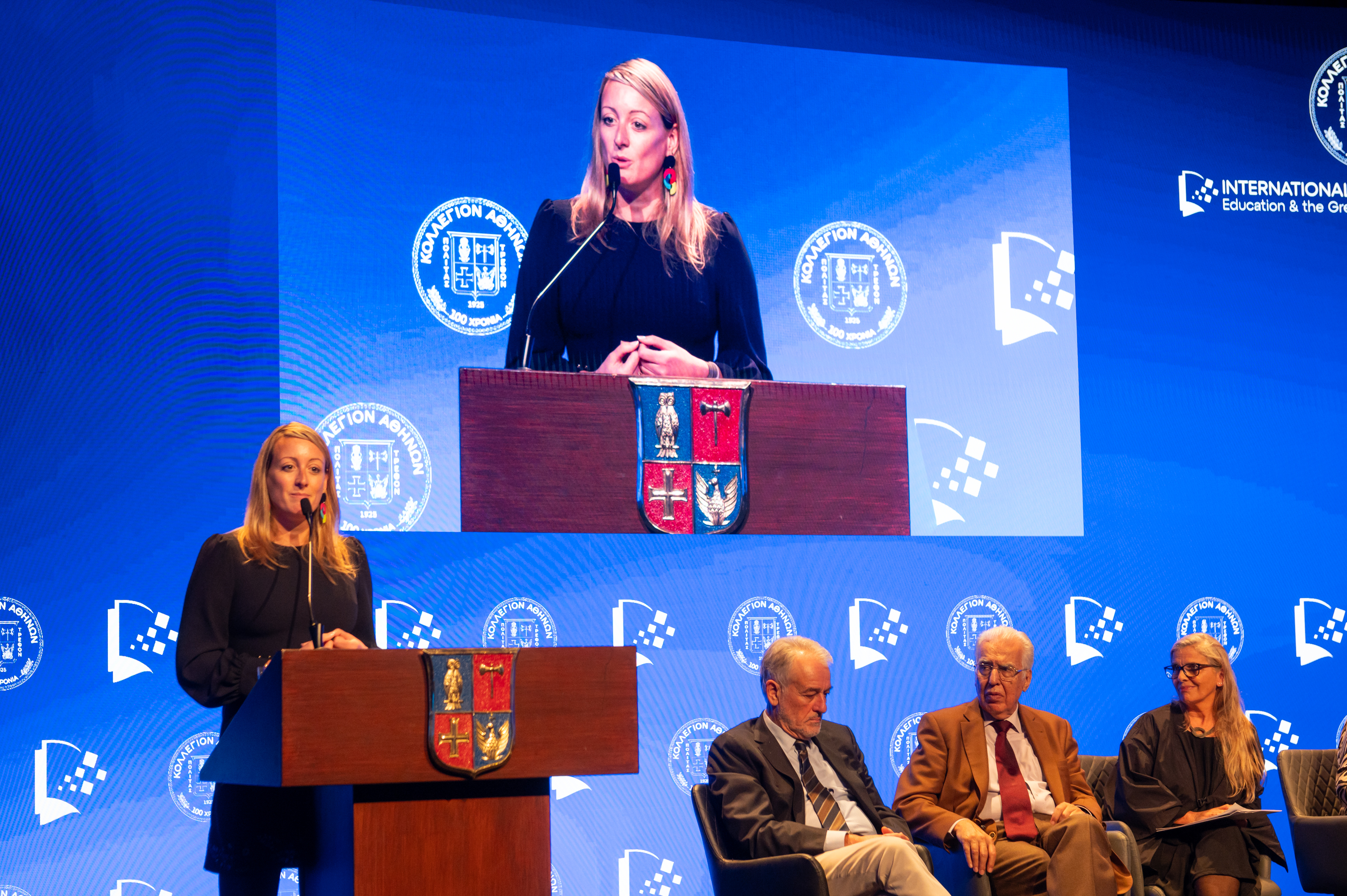
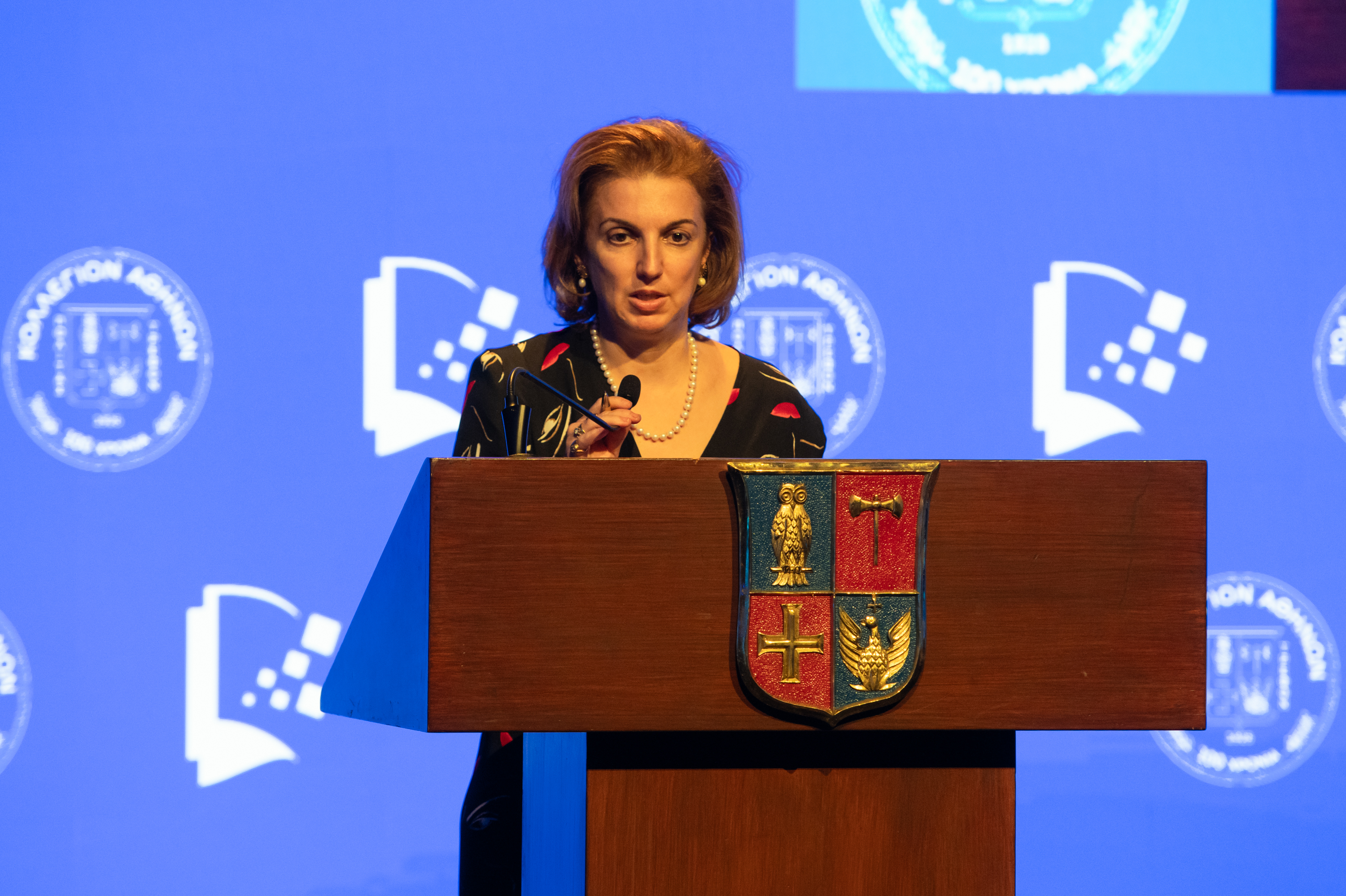
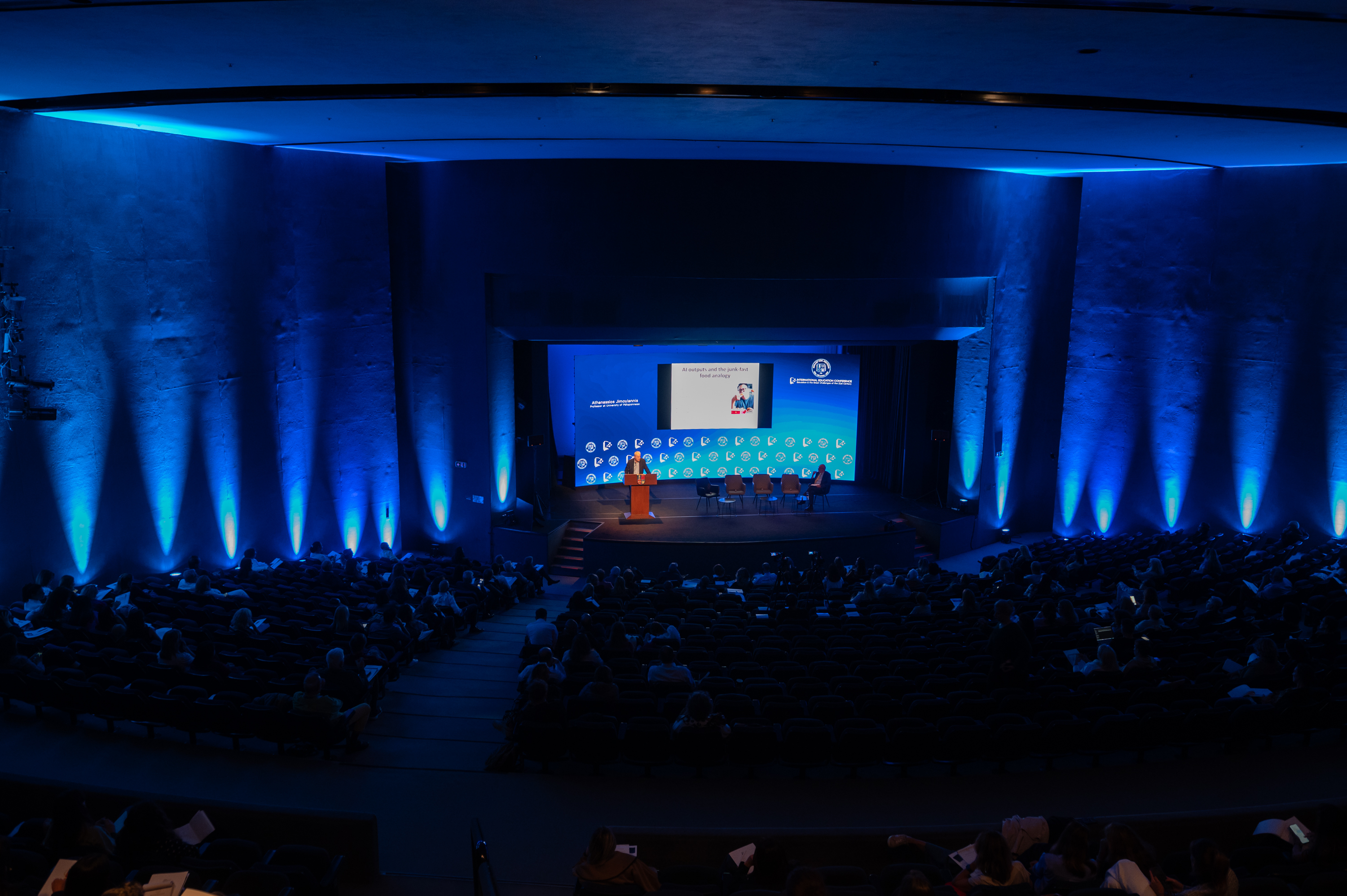
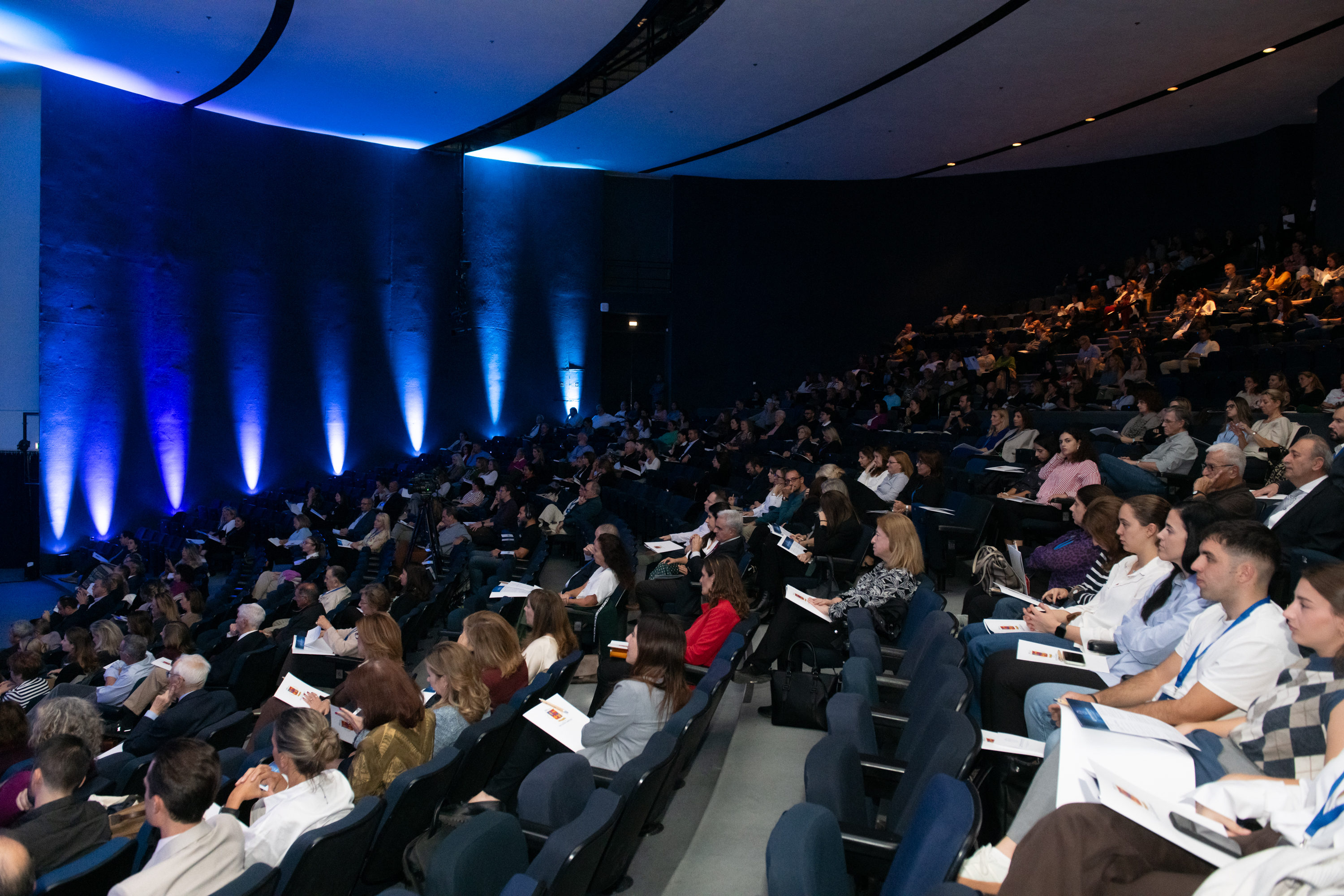
Athens College opened an essential discussion on education and the challenges facing the global educational community at the International Education Conference "Education & the Great Challenges of the 21st Century", held on October 17 and 18, 2025. The Conference took place under the auspices of H.E. the President of the Hellenic Republic, Mr. Constantine An. Tassoulas.
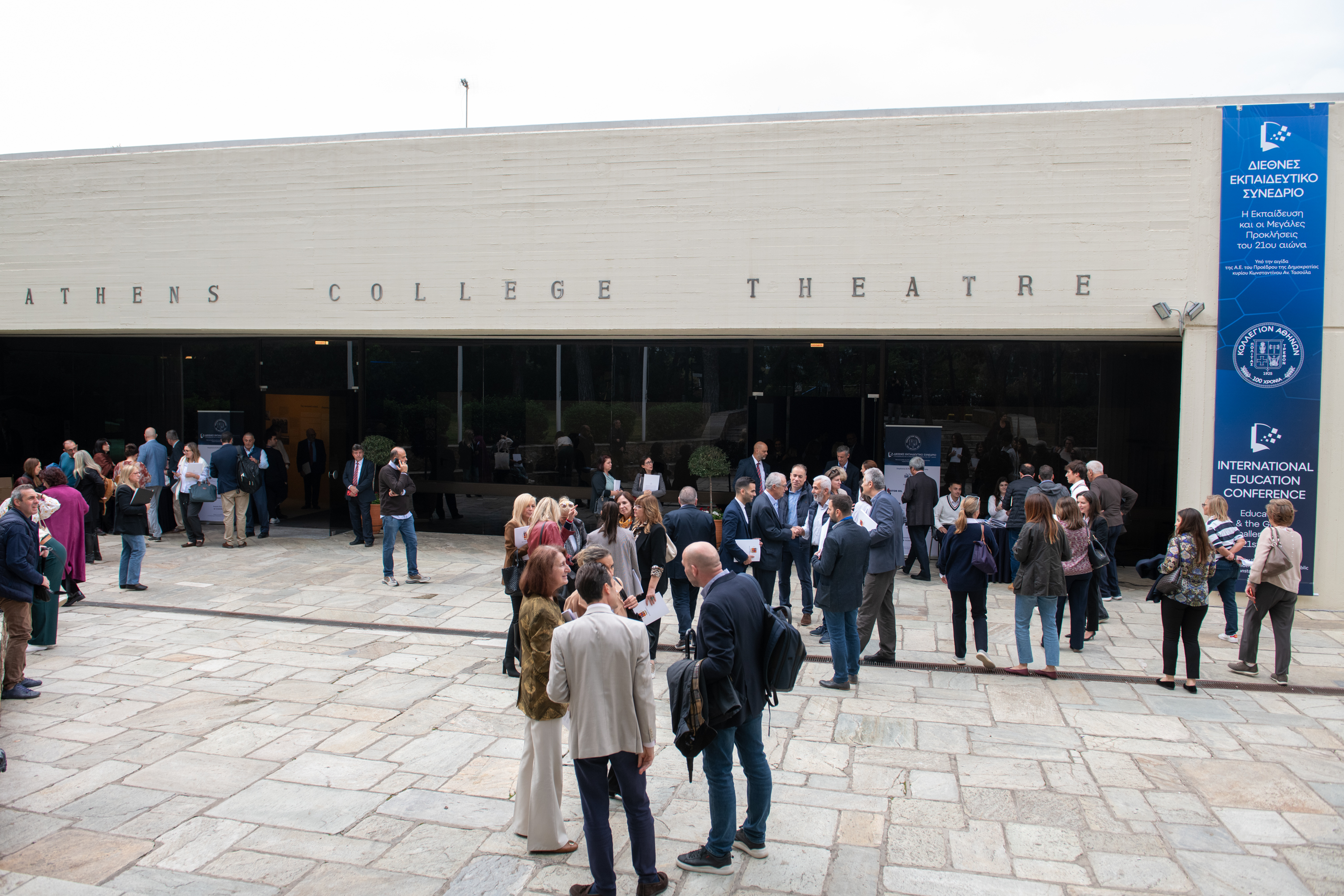
In a time of radical change, distinguished academics from around the world expressed their views on the need to redefine both education and the role of educators. The Conference showcased innovative research, while the speeches triggered discussions on current trends in education.
The Conference revolved around three main themes:
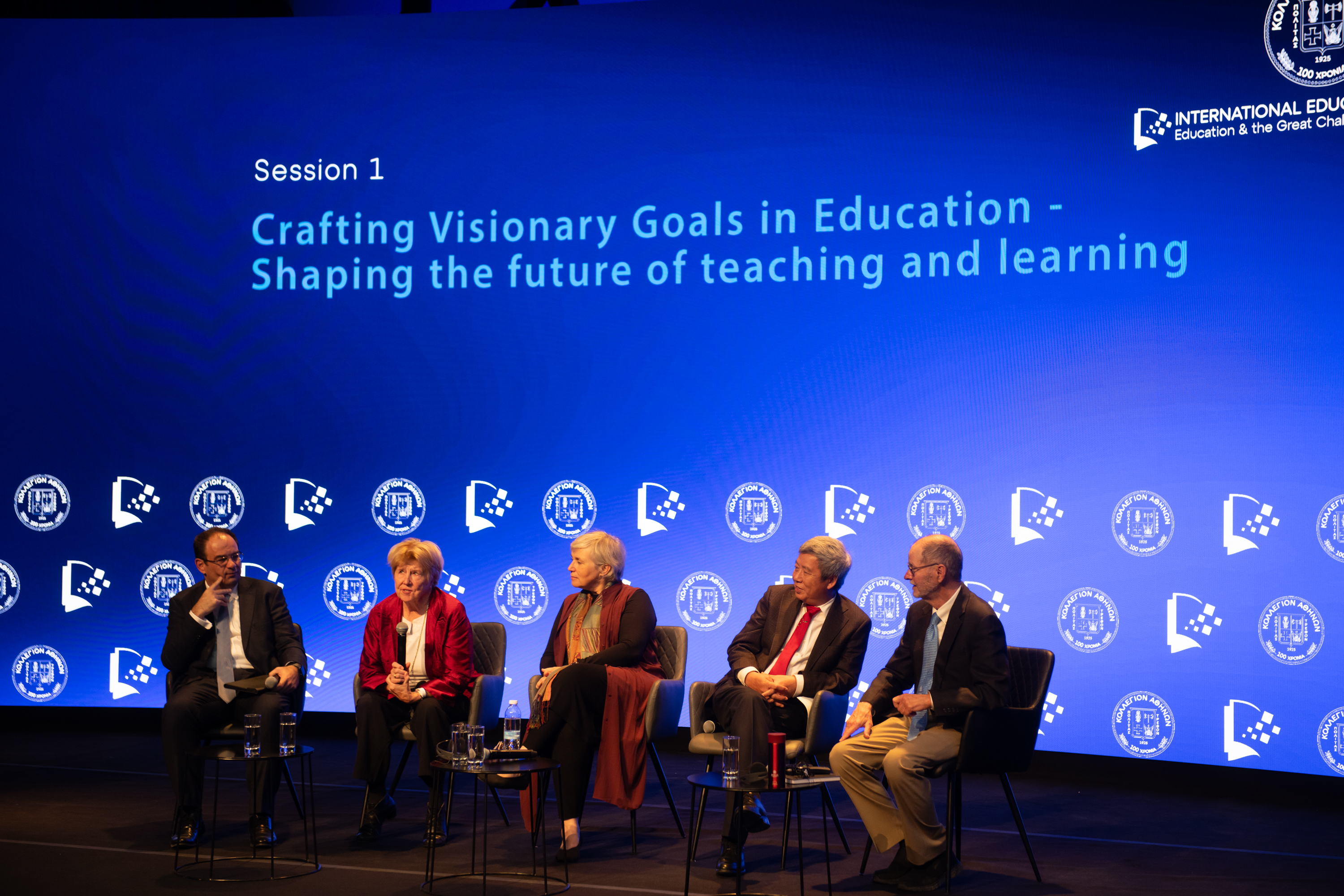
- Crafting Visionary Goals in Education – Shaping the Future of Teaching and Learning
- Educating World Citizens
- Emerging Technologies in Education
The list of speakers included:
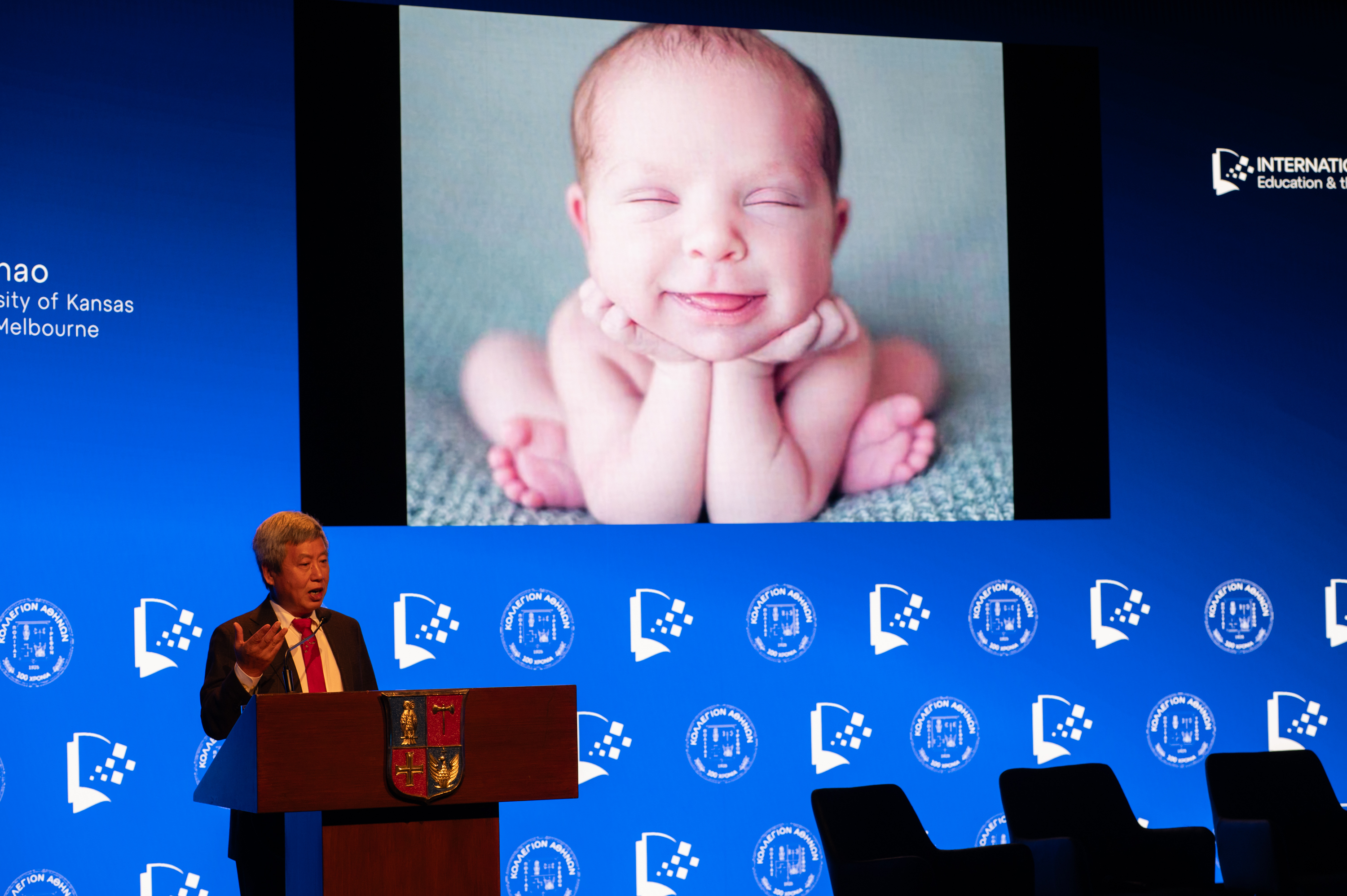
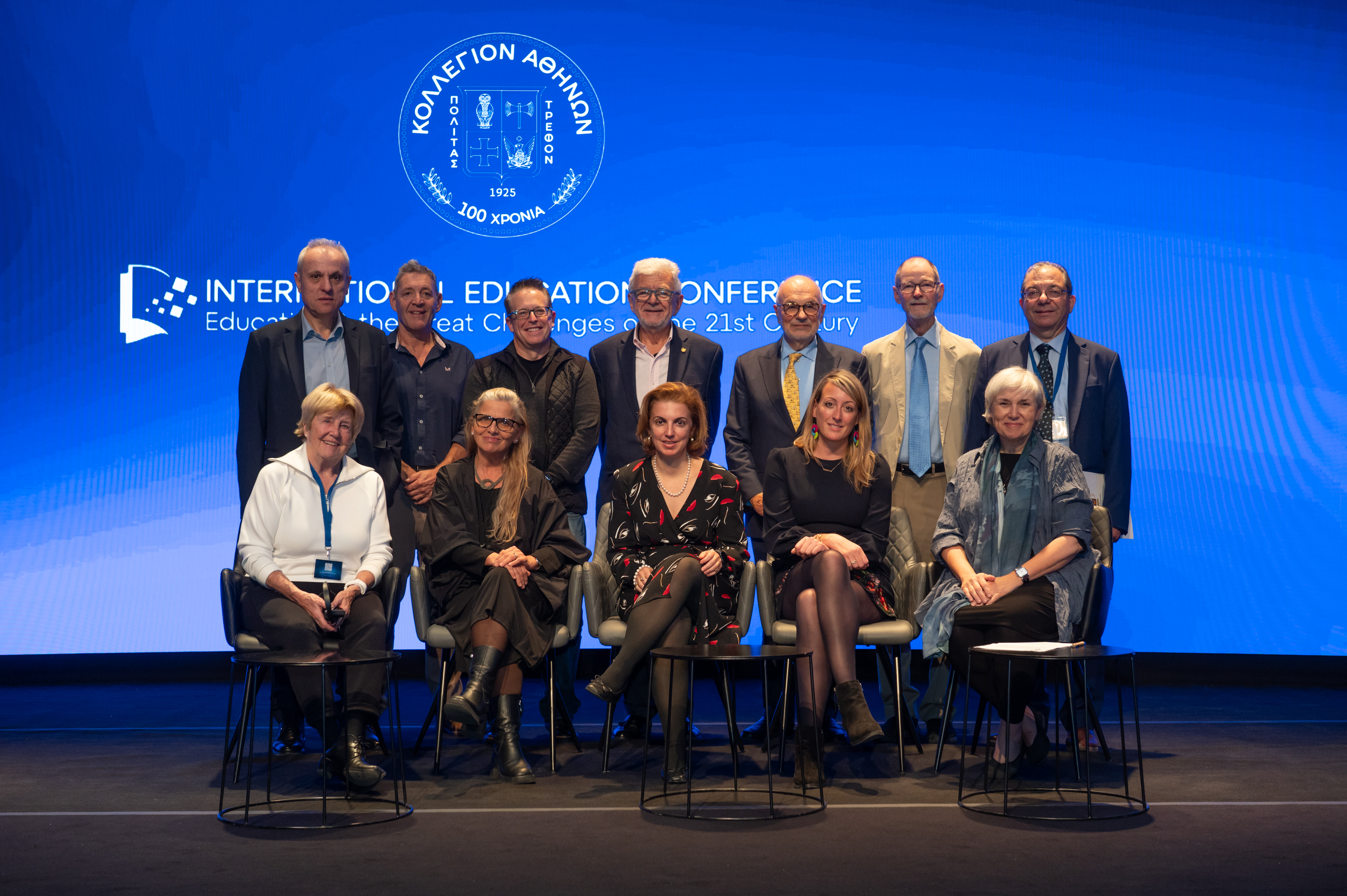
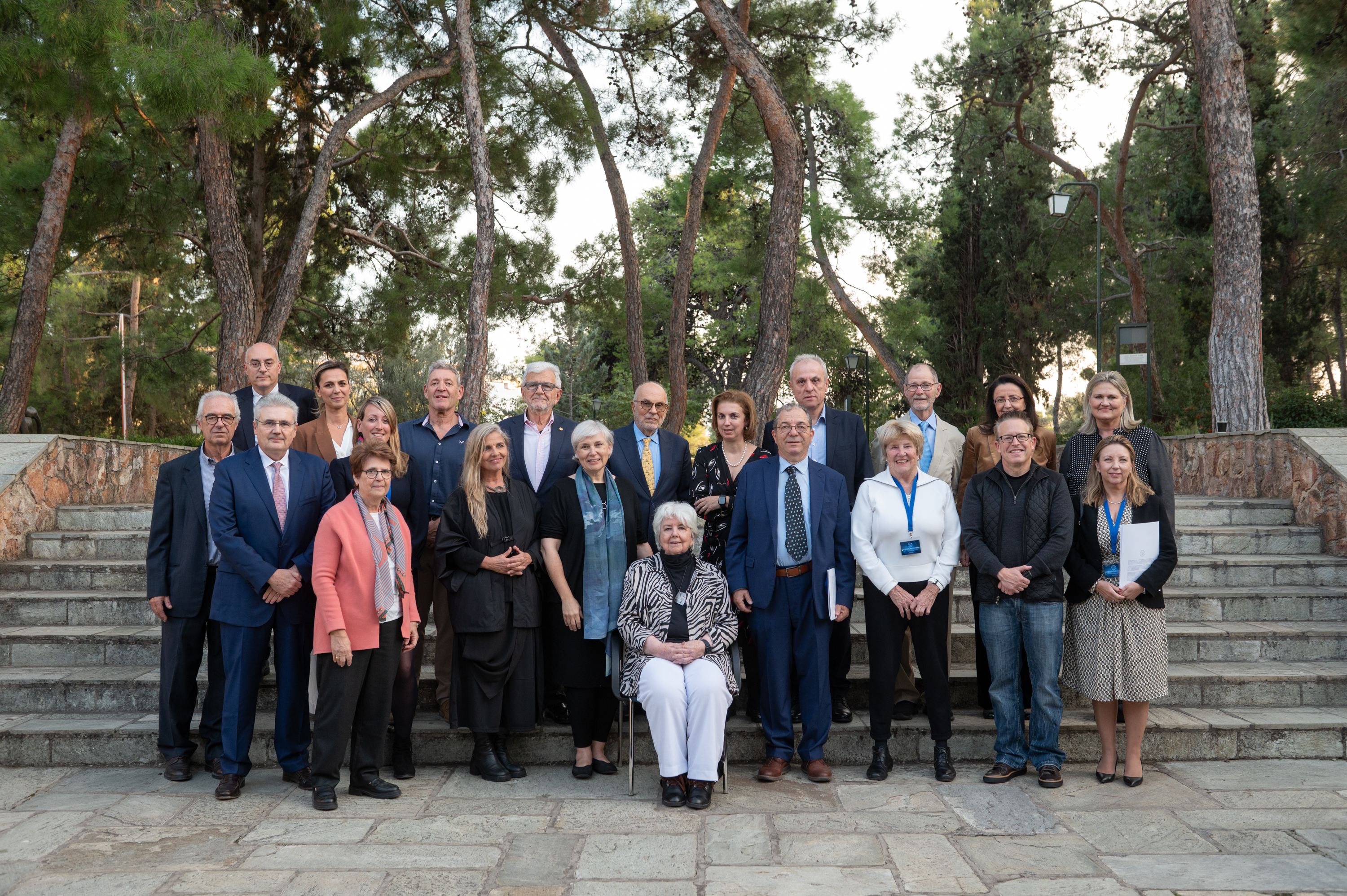
Ron Beghetto (Arizona State University), Tina Blythe (Harvard University), Nikiforos Diamantouros (NKUA, Academy of Athens), Spyros Doukakis (Ionian University, Institute of Educational Policy), Helen Haste (University of Bath), Veronica Boix Mansilla (Harvard University), G. Williamson McDiarmid (UNC-Chapel Hill), Katherine Merseth (Harvard University), Fereniki Panagopoulou (Panteion University), Spiros Pollalis (Athens College, Harvard University), Dimitri A. Sotiropoulos (NKUA), Athanassios Jimoyannis (University of the Peloponnese), Loukas Tsoukalis (NKUA, Sciences Po), Yong Zhao (University of Kansas, University of Melbourne), and Steven Watson (Cambridge University)
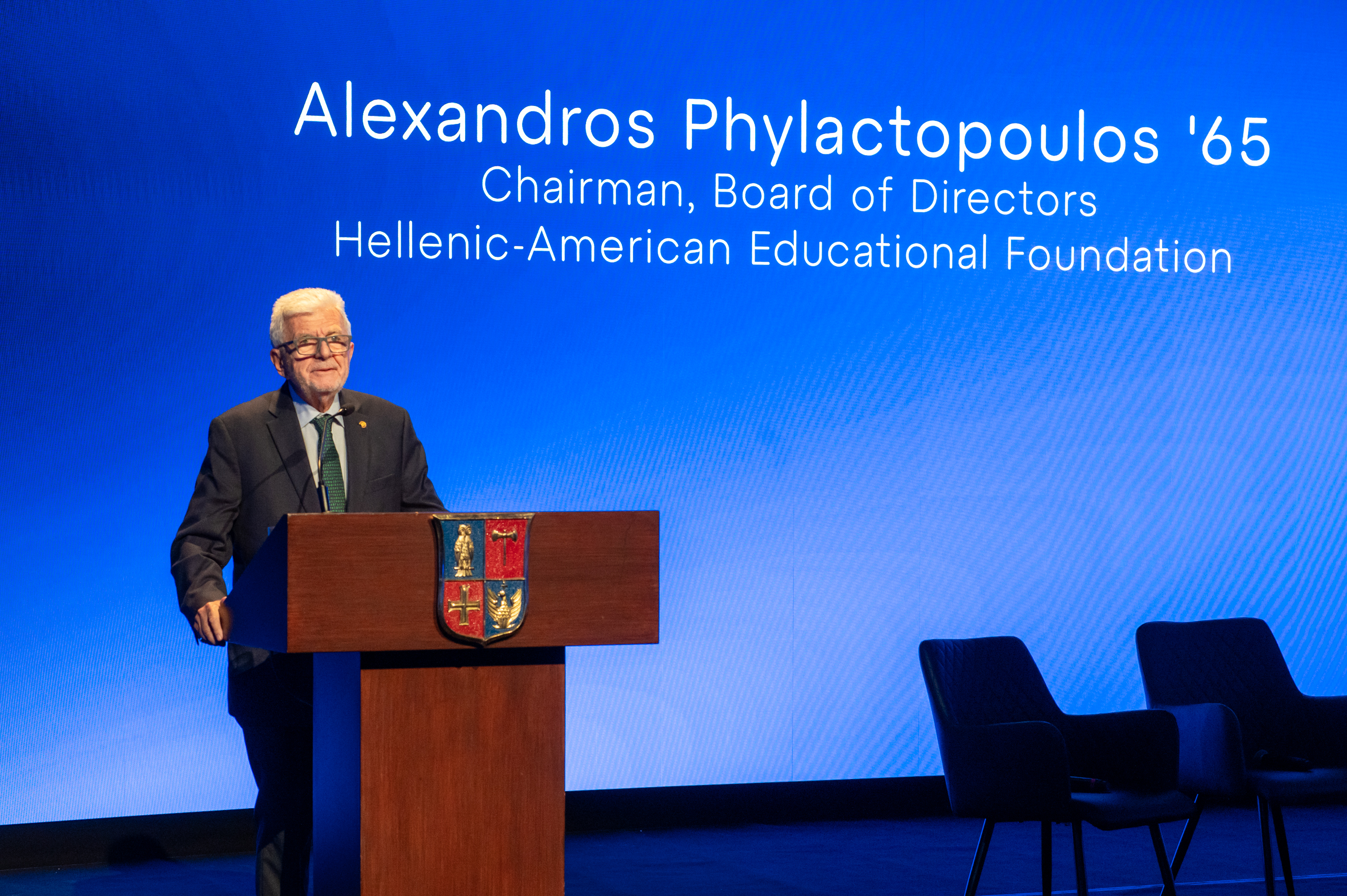
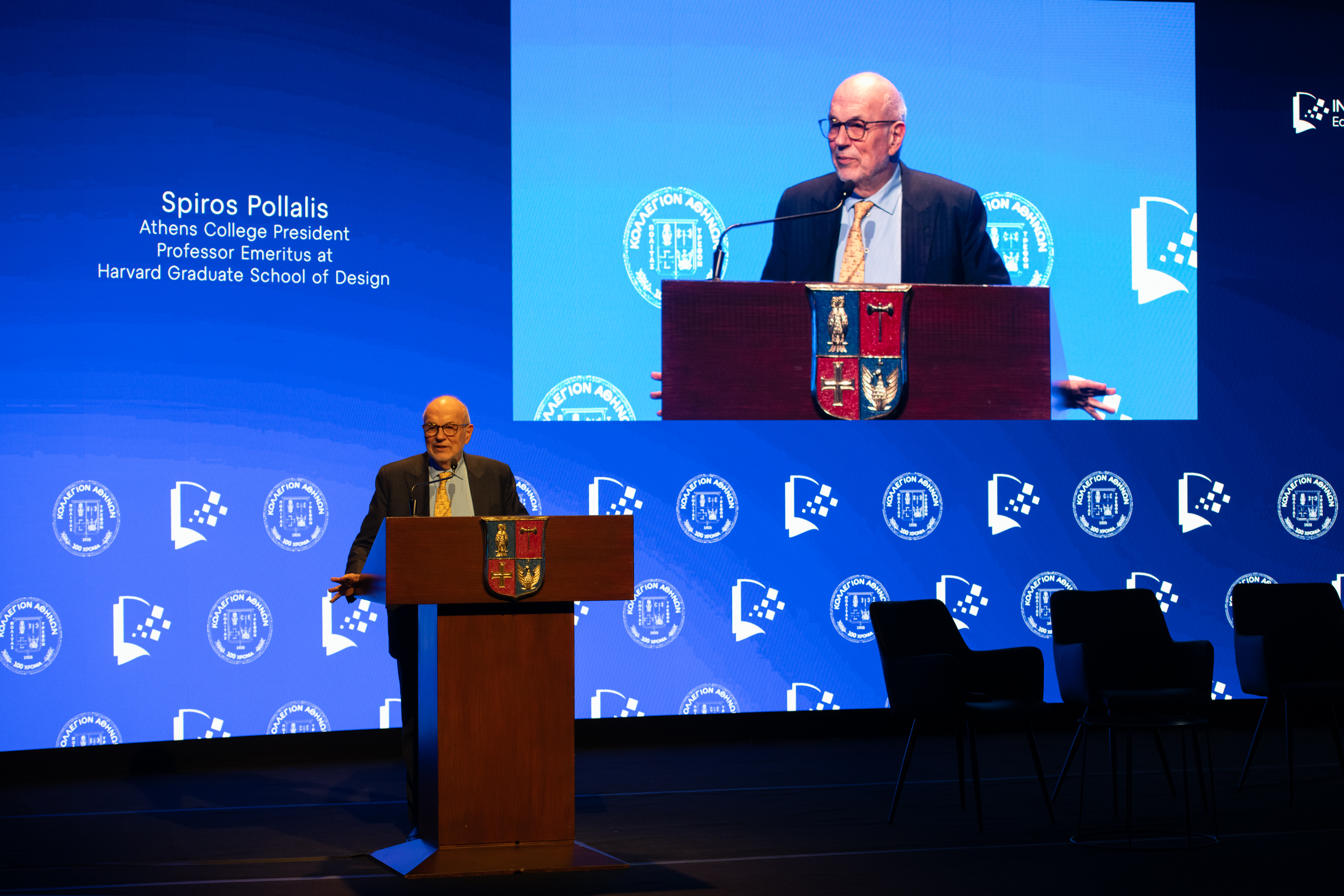
Mr. Alexis Phylactopoulos '65, Chairman of the Board of Directors of the Hellenic-American Educational Foundation, and Athens College President, Professor Spiros N. Pollalis, both delivered addresses. Ms. Sofia Zacharaki, Minister of Education, Religious Affairs, and Sports, sent a message to the participants.
The International Education Conference was organized as part of the celebrations for the Centennial of Athens College.
During the first session, "Crafting Visionary Goals in Education – Shaping the Future of Teaching", there was a discussion on the complex and demanding role of educators in a rapidly changing world. Speakers emphasized the importance of transforming education from a competitive game into a collaborative environment that highlights each student's uniqueness and contributes to collective well-being. The reforms in the Greek educational system were also presented.
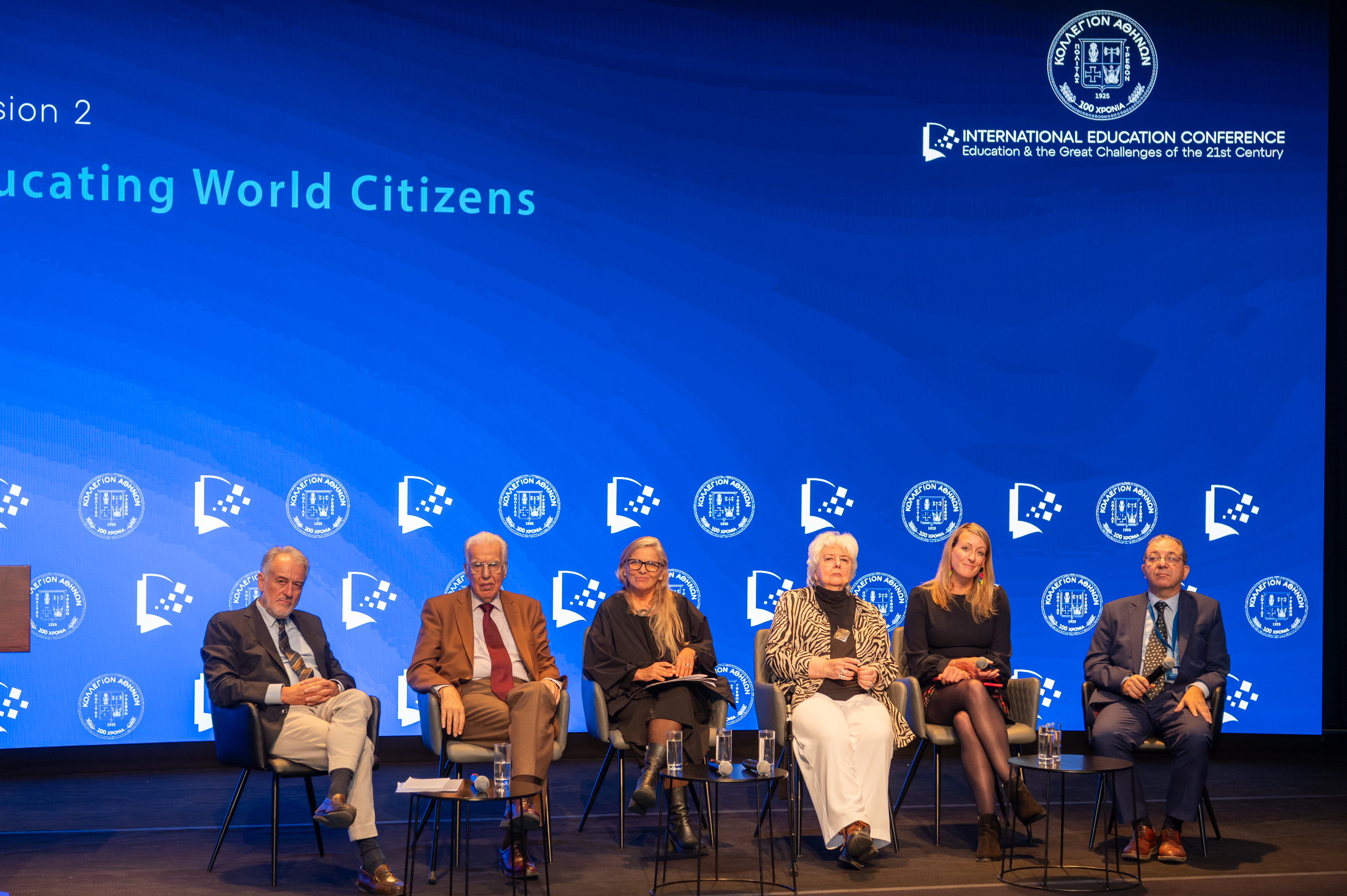
During the second session, titled "Educating World Citizens", the speakers discussed how the technological revolution creates huge opportunities for humankind but, along with other radical shifts occurring globally, poses serious threats to democracy, social cohesion, and individual freedoms. Drawing on the anniversary coat of arms of Athens College, bearing the motto "πολίτας τρέφον" ("nurturing citizens"), which has replaced the older motto "άνδρας τρέφον" ("nurturing men", from the older boys' school), the participants reflected on education's duty to form citizens dedicated to serving society. They also discussed how education must prepare students to navigate uncertainty and adapt to an extremely unpredictable future. Finally, innovative educational practices were presented, aiming to develop individuals who better manage themselves, their relationship with nature, and their interactions with society, as is required today.
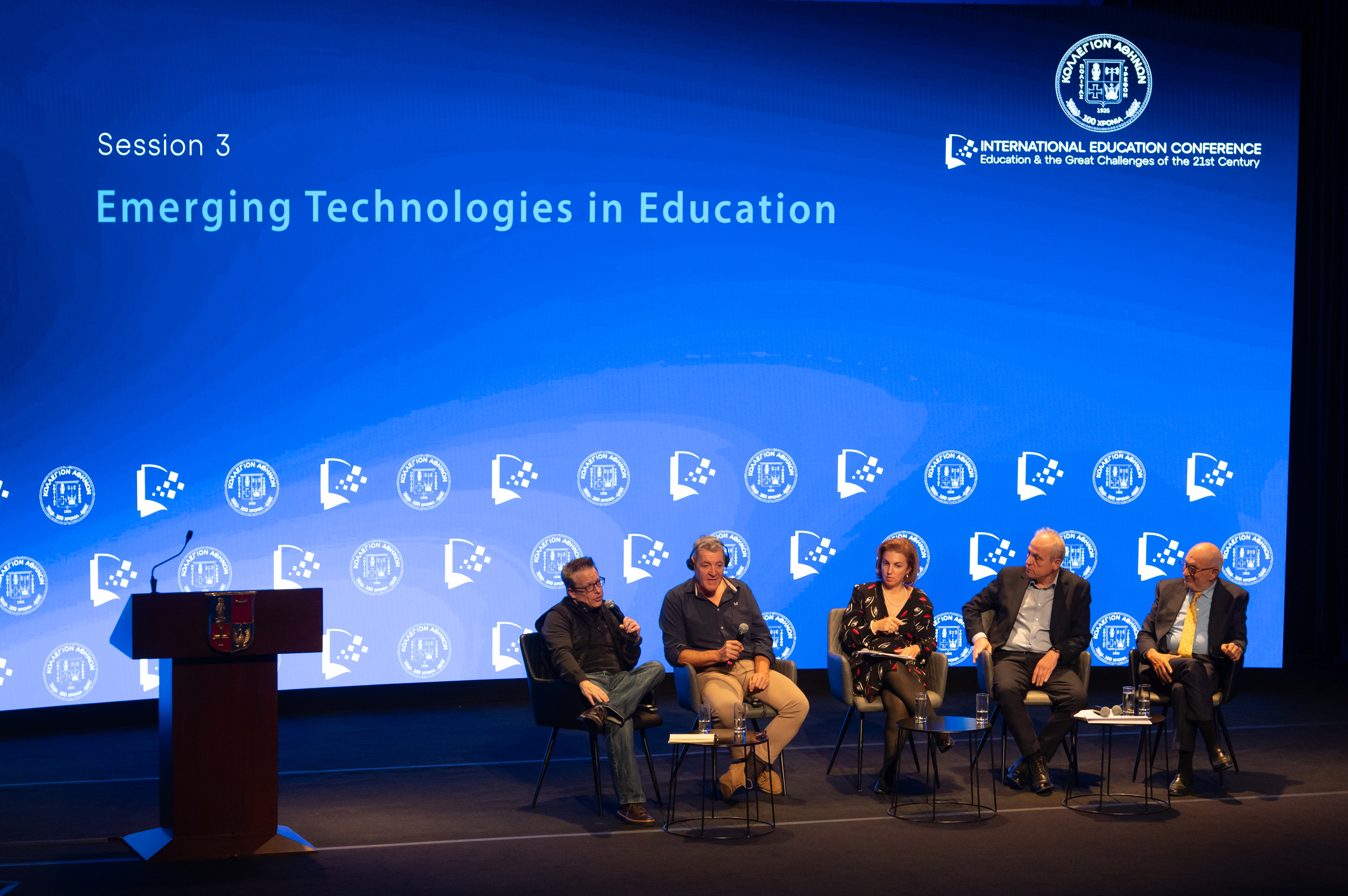
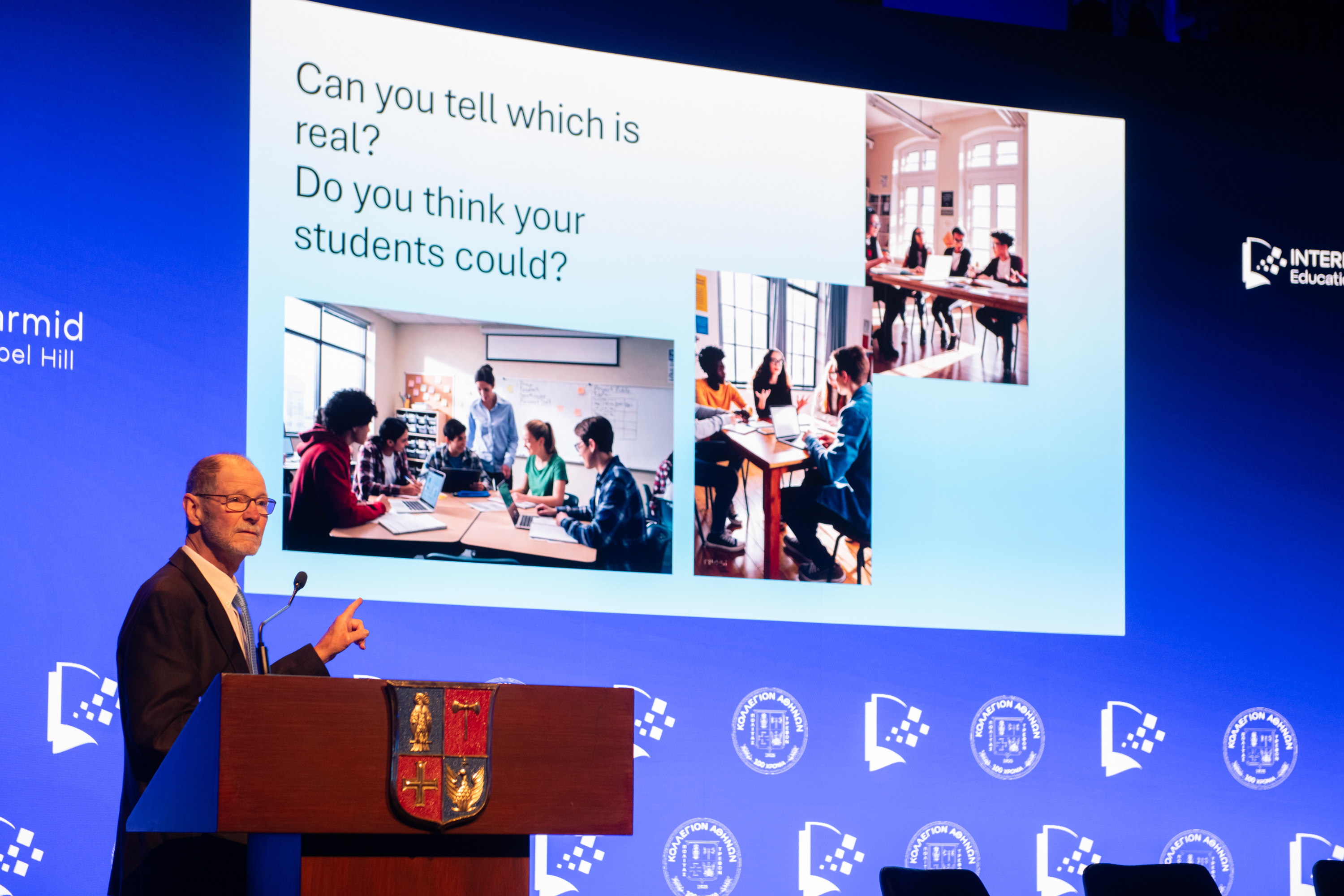
The third session, "Emerging Technologies in Education", explored how the ethical and human-centered use of technology can enhance student learning and creativity. Speakers argued that Artificial Intelligence should serve as a partner and that schools must empower students to actively shape their own future, without passively expecting the changes AI will bring. They emphasized that AI should be seen as an emerging participant in the educational discussion, one that co-creates meaning through dynamic interaction with educators and learners. They highlighted the risks of involving minors in the use of AI in education and proposed that any experimentation must be conducted carefully, as potential harm could be irreversible. The session concluded with reflections on the great challenges Artificial Intelligence poses in fulfilling the enduring social mission of education: preparing students for the world they will encounter in the future.